'Huge amount of uncertainty' around nature law's impact on food production
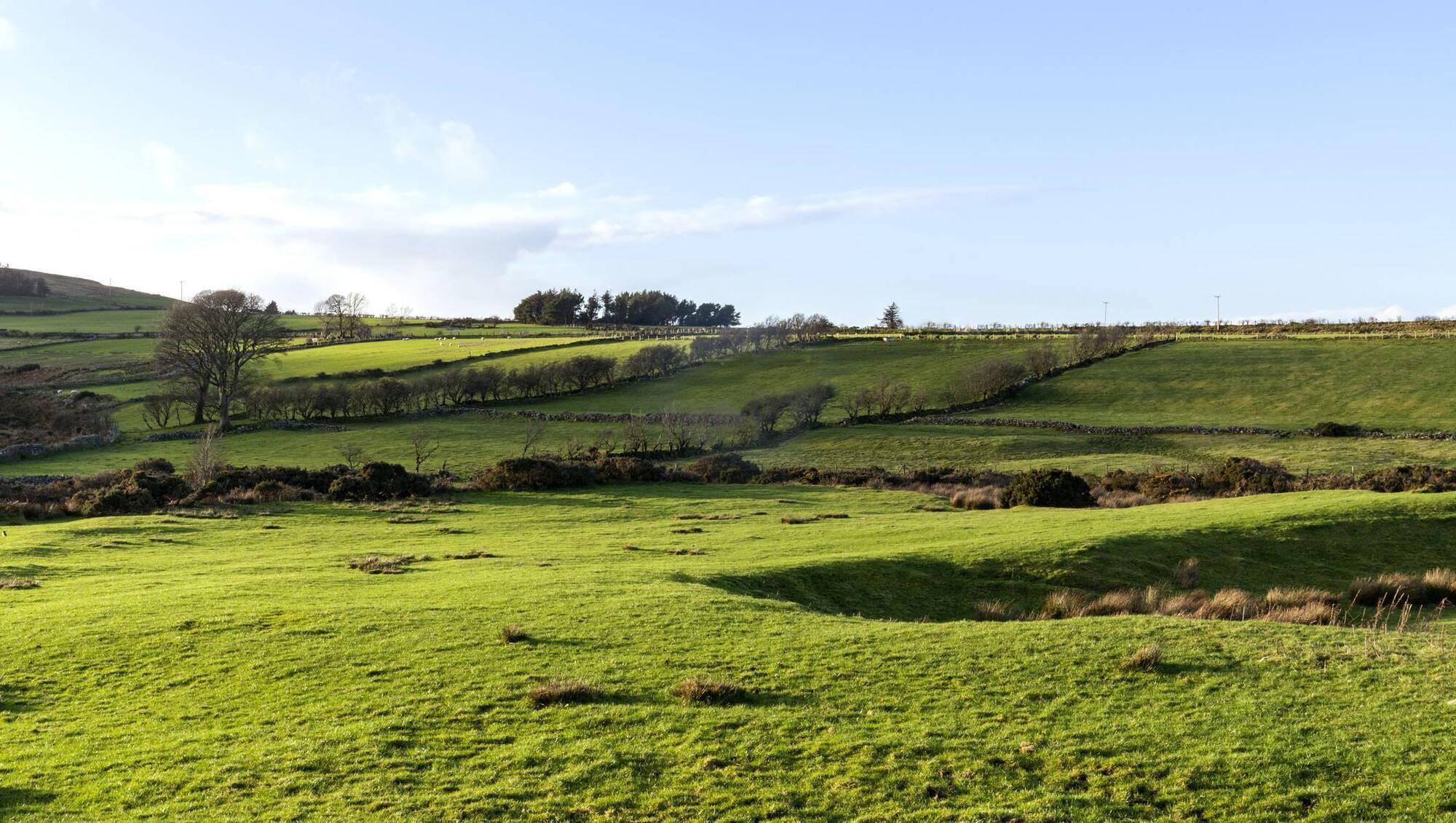
This law aims to put measures in place to restore at least 20% of the EU’s land and sea areas by 2030, and all ecosystems in need of restoration by 2050.
There is a "huge amount of uncertainty" around what impact the Nature Restoration Law will have on "food production, and ultimately food security", farmers have warned.
The contentious law was passed by EU environment ministers this week, and the Irish Farmers' Association president Francie Groman said that while this was "no great surprise", he feels the Irish Government "was wrong to support the introduction of this law without the completion of an impact assessment and a dedicated budget to support its implementation".
This law aims to put measures in place to restore at least 20% of the EU’s land and sea areas by 2030, and all ecosystems in need of restoration by 2050.
It sets specific, legally binding targets and obligations for nature restoration in each of the listed ecosystems – from terrestrial to marine, freshwater and urban ecosystems.
"A huge of amount of work is now needed on how this law will be implemented in Ireland. I want to make it clear that IFA will not stand for farmers’ property rights or their right to farm their land being undermined," Mr Gorman added.
Jackie Cahill, chairman of the Oireachtas Joint Committee on Agriculture, Food and the Marine, said that a number of steps need to be taken to get "rural approval and rural co-operation".
“First and foremost, the farmers' adjoining land that is to be rewetted must be given written guarantees that any wetting that takes place will not have any adverse impact on their land," Mr Cahill outlined.
“Secondly, participation has to be voluntary.
“Finally, farmers who had land designated in 1998 had a very bitter experience with regards the financial impacts of designation. The capital value of their land has been eroded by at least 75-80%.
"I would also recommend that previously designated land would qualify for the same written guarantees and compensation, as owners of that land are greatly contributing to our biodiversity and deserve to be adequately compensated for such.
“We all appreciate that we have a battle as regards climate change and practices have to be adapted and adjusted, but the landowners that commit to adapting new practices have to be adequately financially compensated. If these actions are taken, restoration can work for the benefit of all."
Work is now underway to develop the national restoration plan.
Irish Cattle and Sheep Farmers Association president Sean McNamara said that this plan "must show how Ireland will deliver on the targets we have now committed to reaching", and has insisted that funding "cannot and must not be excluded from these discussions".
Mr McNamara said that the passing of this law is an example of "an initiative being imposed on farmers that is heavy on targets and light on how those targets will be met or how they will be funded,” he said.
"Although various ministers have assured us that any schemes introduced under the Nature Restoration Law will be voluntary, we need concrete guarantees on this," he added.
"The reality is we need to see a series of guarantees to reassure farmers that their property rights will be protected, that their right to farm their own lands will be protected, that food production will not be impacted, that food security will be taken into consideration, and that the livelihoods of farmers will not be jeopardised.”