British seed potato exports to the EU set to resume by mid-2027
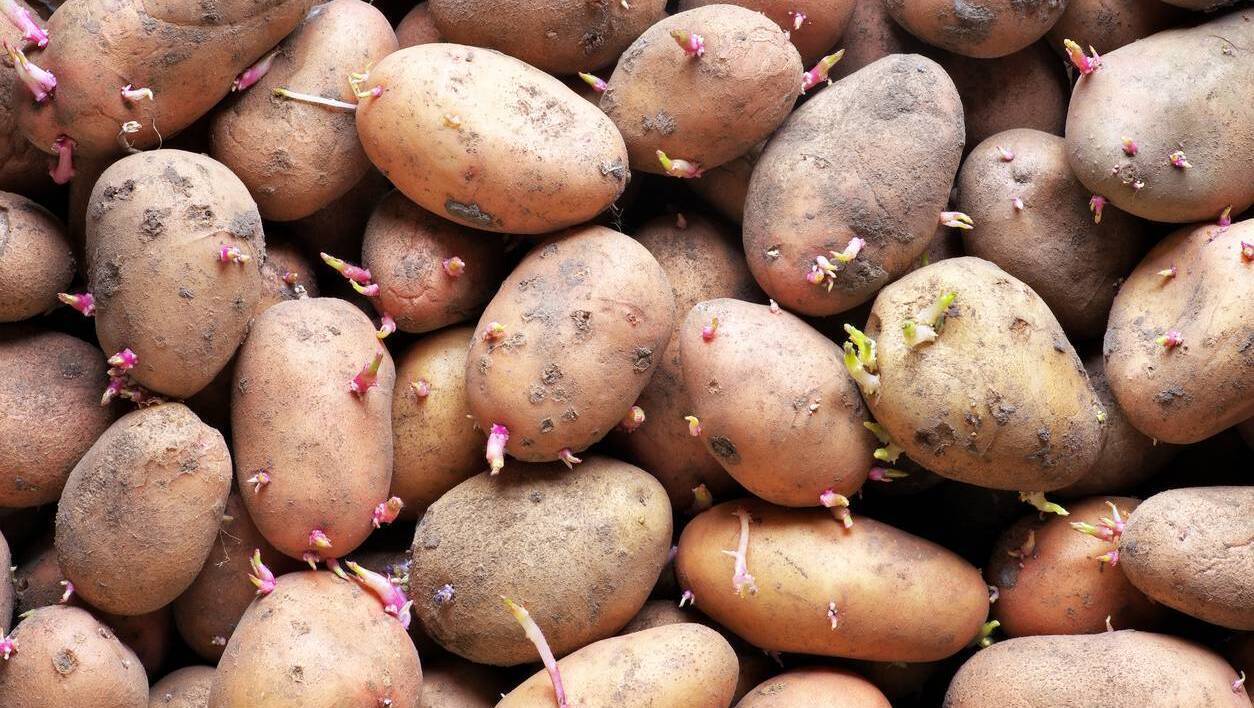
Up to 2021, about 30,000 tonnes of GB seed potatoes were exported each year into the EU, principally from Scotland, with a similar amount of EU seed potatoes imported into the UK.
Mid-2027 now looks like the date on which the export of British seed potatoes to the EU will resume.
Brexit ended the seed potato trade from Britain to the EU in January 2021.
Up to then, Ireland had imported 4,000 tonnes or so of seed potatoes annually from Britain (England, Scotland, and Wales).
In 2022, the Irish Government had to offer investment aid for the Irish seed potato sector of €3m over 2022 and 2023, to make up for the loss of British seed potatoes.
The effective ban on trading seed potatoes between Britain and the EU is a result of the UK and European Commission being unable to reach an SPS (sanitary and phytosanitary) agreement that would allow the reciprocal trade of seed potatoes.
Up to 2021, about 30,000 tonnes of GB seed potatoes were exported each year into the EU, principally from Scotland, with a similar amount of EU seed potatoes imported into the UK.
This trade developed and flourished because of the recognised high-quality of seed potatoes grown in Britain. Scotland, Cumbria and Northumberland (in Northern England), were recognised within the EU as a community grade region, applying strict health standards and producing and marketing only pre-basic and basic seed potatoes.
Read More
The resumption of the EU-Britain trade of seed potatoes has been a live issue for more than five years.
But the recent May 28 published guidance from the UK’s Department for Environment Food and Rural Affairs indicates the export of British seed potatoes to the EU will resume. The guidance prepares the UK's food industry for a potential UK-EU SPS Agreement, reinstating the EU’s legislation governing food, feed safety, and agricultural production in the UK.
The agreement will also scrap routine SPS border checks for most eligible goods entering the UK from the EU, or Northern Ireland from Britain.
This will make for easier transit of perishable products, and allow for smaller consignments.
But customs declarations will remain necessary, and all UK businesses must follow EU rules, whether or not they trade with the EU.
There are still negotiations going on around the UK’s precision breeding legislation, and whether or not UK producers will be allowed a transition period to comply with the changes.
The UK government has confirmed an SPS agreement with the EU will result in increased inspection rates of certain non-EU imports.
The recently published guidance introduced 10 sector-specific readiness frameworks covering areas such as organics, genetic technologies, food manufacturing, and animal breeding.
Final legal provisions, exemptions, and transitional arrangements are expected at the second annual UK-EU Reset Summit, scheduled for later this year.
But businesses have already been told goods entering Britain from the EU, or entering Northern Ireland from Britain, will no longer require export health certificates, phytosanitary certificates, ISPM15 markings, or Northern Ireland plant health labels.
Routine SPS border checks will end for dairy, fish, eggs, meat, plants, and plant products moving from the EU into Britain, or from Britain into Northern Ireland.
New maximum levels will apply for contaminants such as Pfas, heavy metals, mycotoxins, and plant toxins.
The NFU will continue to lobby for reasonable use-up periods for any plant protection products to be withdrawn under the agreement.