BSE surveillance bill could be cut by 90%
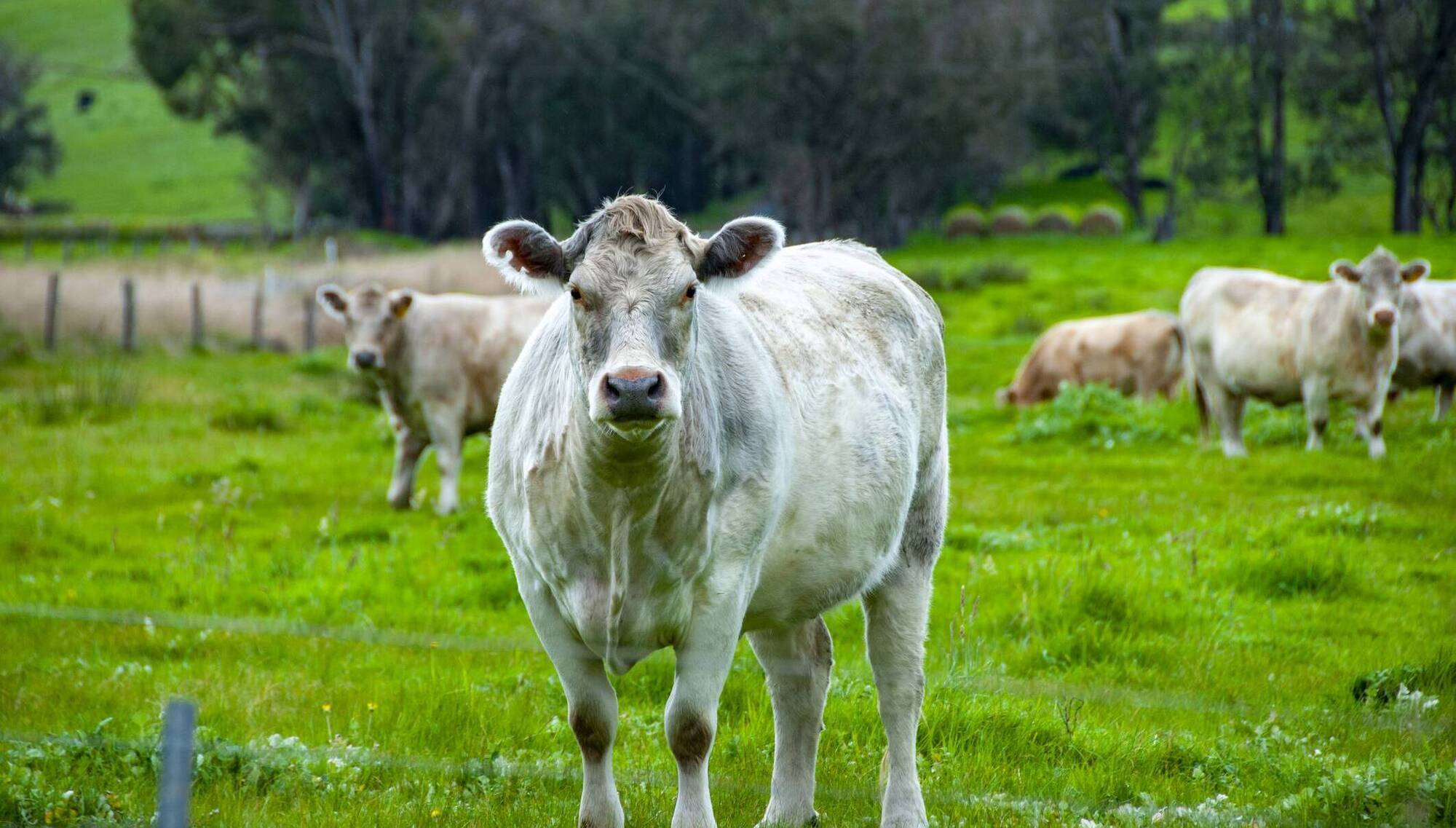
BSE still costs EU member states millions of euros for surveillance against the livestock disease.
Thirty years after it devastated EU agriculture, BSE still costs EU member states millions of euros for surveillance against the livestock disease. But moves are under way now to reduce this cost by as much as 90%.
Since 2001, healthy cattle sent for slaughter, and animals at risk (dead animals, emergency slaughter, suspected cases) have been tested for the disease.
From 2009 onwards, some member states were able to reduce their annual BSE (bovine spongiform encephalopathy) surveillance, notably regarding the minimum age of animals to be tested, or the end of screening in healthy cattle for slaughter.
However, in 2024, 956,398 cattle were still tested in the EU. Only three atypical cases (including one in Ireland) were detected, proof all the surveillance efforts made by member states have produced results, with the number of BSE cases falling significantly.
Due to the reduced incidence of BSE, the World Organization for Animal Health (WOAH) has significantly revised its surveillance recommendations, changing it to passive surveillance (detection of clinical cases) and risk-based screening.
Read More
In accordance with the WOAH criteria, the US, which has a livestock population of 87.2 million animals, carries out only 25,000 BSE tests per year, on average.
This compares with nearly a million tested in the EU's cattle population of approximately 72 million head.
But the EU is now moving to catch up with the new WOAH criteria.
The commission has taken the first step, with a proposal in its measures to simplify food and feed safety regulations. And it asked the European Food Safety Authority (EFSA) to review the EU’s BSE surveillance. In response, EFSA recommended continuing the surveillance of bovine carcasses, but with the minimum age raised to 60 or 72 months.
Continuing to monitor the carcasses of cattle over 72 months old would reduce the number of samples to be analysed to 50% of the current level.
But member states are pushing for full alignment of European requirements with those set by the WOAH. That could reduce the cost of BSE monitoring by 90%, according to the Belgian delegation at the recent Council of Agriculture Ministers.
BSE surveillance costs have increased for member states, due to the commission significantly reducing its co-financing of veterinary programmes. Now, EU co-financing for BSE is set at just 12% of eligible costs.
The Belgians say the money saved, if BSE surveillance is reduced, could be used to strengthen surveillance and control measures against emerging animal diseases and zoonoses that are on EU’s borders.