Farm Finance: Crunching the numbers ahead of a clearance sale
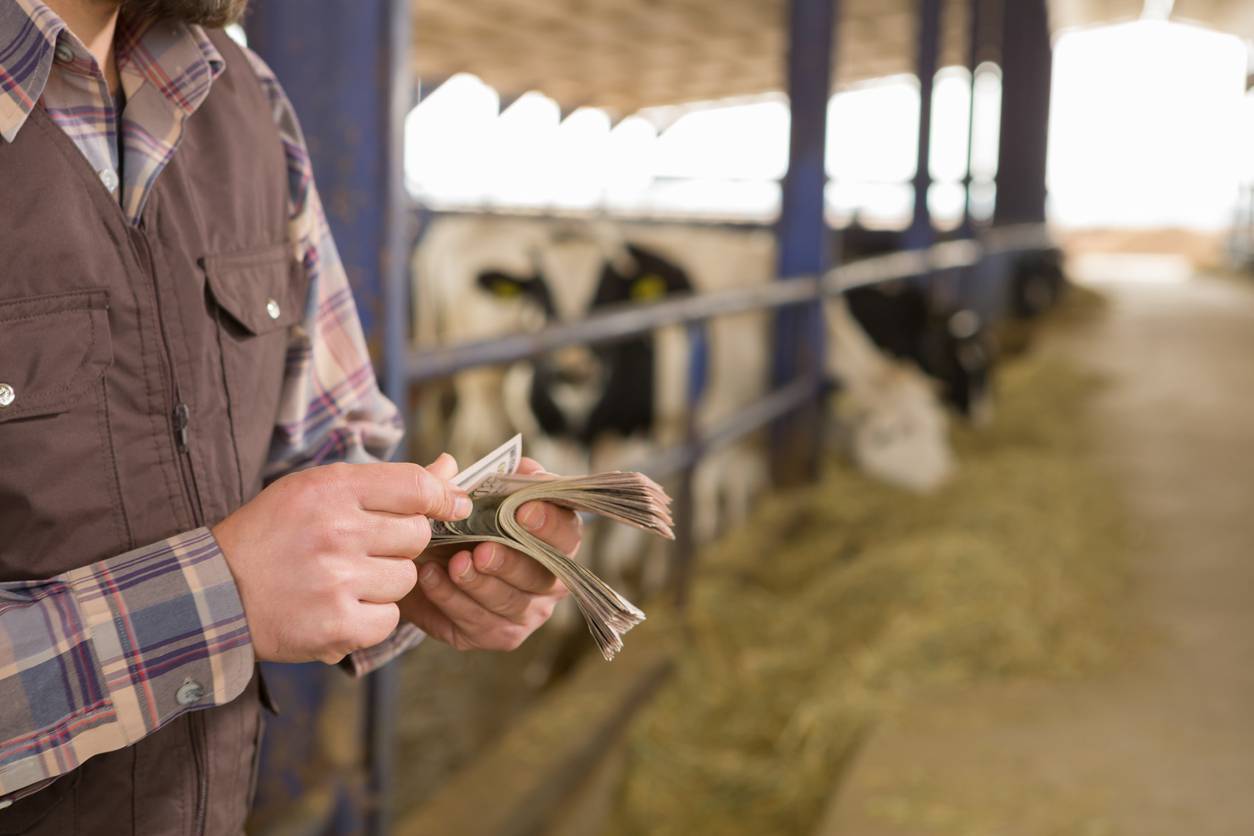
Farmers who have decided to change tack face a multitude of choices, such as winding down over a number of years, having a clearance sale, having a private sale or leaving cows empty and taking the fattening route.
Over the past few weeks a number of farmers have asked what the tax implications are arising from the disposal of their herd. This year has been tough and some farmers have decided to call it time.
There should be no shame in that, and at the end of the day, everyone must weigh up their own circumstances and figure out what’s best for themselves and their family.
Farmers who have decided to change tack face a multitude of choices, such as winding down over a number of years, having a clearance sale, having a private sale or leaving cows empty and taking the fattening route.
The most common question is whether there will be a high tax bill following the sale of animals. The answer here isn’t all that clear-cut and is dependent on a number of factors. Farm animals are included in a farmer’s accounts each year as an opening stock and closing stock figure.
The actual value attributable to each animal within the farm accounts usually has a fairly loose correlation to the actual value and indeed the Revenue are facilitate the approximation of values of animals allowing for a discount below market value given that farm animals are not typically readied for sale at the accounts year end.
Each farmer's stock has a value within their accounts that is unique to them and sometimes the figures may be historically on the conservative side.
However, in the event of a total herd disposal a farmer will be assessed to tax on the difference between what the stock actually makes and the value at which they are carried in the accounts.
Taking an example, a dairy farmer with 100 cows might have those animals included in their farm accounts at say €800 per head or a total of €80,000. If the total sales proceeds are, say €130,000 after selling fees, then the farmer will be assessed to income tax on the €50,000 profit above what the animals were already carried at within their accounts.
As each farmer's stock figures are unique to them, the amount of tax payable is very much farmer-specific, but as a general rule of thumb, the good news is that at least some of the proceeds should be protected from being taxed if the animals had a value coming forward within the accounts.
Taking the above example a little further, if the farmer sells their animals early in the year and has effectively no other taxable income, then the amount of tax payable on the disposal of their herd will be relatively small, but where the farmer has already earned farm profits from operating the farm for a few months of the year, or is due to receive other farm income later in the year, for instance as a result of selling silage or the receipt of the entitlements, then the profit from the disposal of animals will be aggregated with that farmer's other farm income and other non-farm income such as rental income, employment income or pension income. As a result, the tax arising on the profit from the disposal of the herd could be exposed to a significant tax liability.
Bear in mind, too, that ceasing to trade in the current year has, in general, no impact on the tax liability arising from last year save for some complications where a farmer was in averaging or had an alternative year-end to a December 31 year-end.
Where a farmer disposes of farm machinery or equipment, this is also likely to result in additional taxable income where the amount received is more than the book value of those assets.
Farmers who cease to trade are not entitled to have their profits assessed under averaging in their final year, and the preceding year's profits may also be upgraded to the actual profits for the year if the actual profits are higher than those assessed under averaging.
More complicated rules apply where a farmer wishes to continue farming but wants to opt out of averaging in the expectation that farm profits will be lower in coming years.
With sufficient lead in time a structured plan can be put in place to minimise the tax on the disposal by selecting an optimal timing from a tax point of view.
Ceasing to trade can have other tax implications apart from income tax, such as precluding a successor from being able to claim business relief. Farmers should obtain professional tax advice specific to their own circumstances.