Farmers urge processors to pay 'hardship top-up'
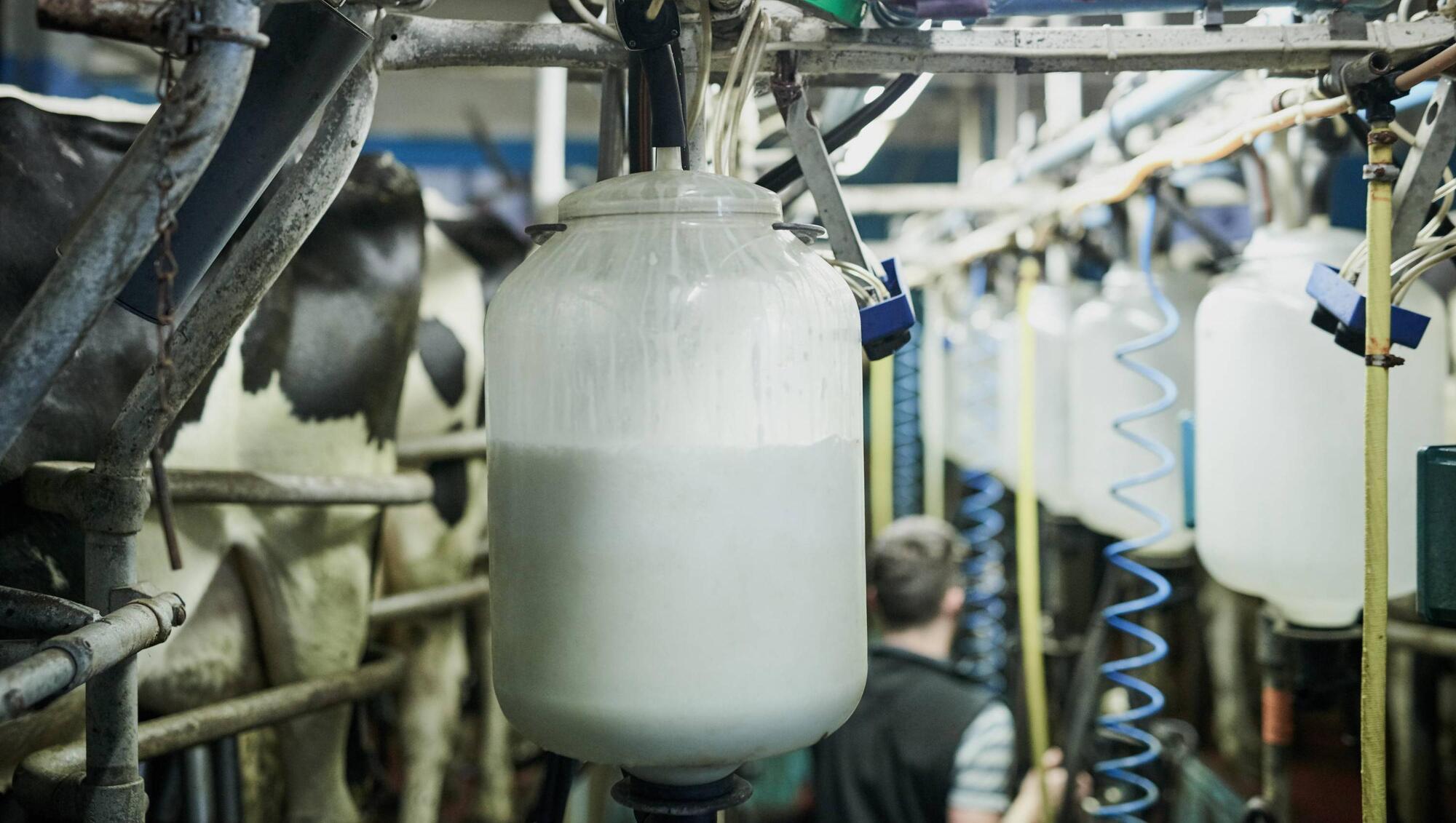
Irish Farmers' Association president Francie Gorman said every effort must be made to support farmers who are grappling with dreadful weather conditions.
Milk processors are being urged to pay a "hardship top-up" on March supplies.
Irish Farmers' Association president Francie Gorman said every effort must be made to support farmers who are grappling with dreadful weather conditions.
“Processors have to return every cent from the market to dairy and livestock farmers, who have been unable to get out to grass this spring," Mr Gorman said.
"Banks and credit unions should be offering maximum flexibility to farmers who are tight on cashflow. In particular, we need to make sure livestock farmers have access to short-term credit. We also want the Department of Agriculture to fast-track any payments to farmers."
He called on all milk processors to pay a hardship top-up of at least 3c/litre on all March milk.
“Dairy farmers are having a dreadful time with the desperate weather conditions. While falling stocks of fodder, full slurry tanks, and the huge additional workload are serious issues, what farmers really need now is a boost to cashflow,” Mr Gorman added.
“Processors will not be paying for milk supplied in March until mid to late April. They are fully aware of the dire situation their members and suppliers are in before they set the March milk price."
The IFA's comments came as an online meeting of the National Fodder and Food Security Committee took place on Friday, at the request of Agriculture Minister Charlie McConalogue.
The meeting was called to assess the extent to which the ongoing and prolonged wet weather conditions are impacting on farms.
The overarching and common theme from contributors was around the pressure and stress being felt at farm level on foot of the persistent wet weather and difficult soil conditions.
Concerns included: the lack of opportunity for tillage work in fields; fodder stocks; slurry storage capacity; and cashflow issues.
Mike Magan, chair of the committee, highlighted the critical importance of farmers and industry working together and supporting each other in the coming weeks.
The committee also heard about impacts and mounting pressure around workload on contractors as work builds up on farms, and the risk of logistics and haulage challenges that could impact on fertiliser and feed movements in the weeks ahead resulting in delivery delays.
Additional stressors on farmers around cash flow and farm inspections were also raised by farm organisations as an additional burden on farmers. The importance of engaging early with banks around working capital requirements was highlighted.
The committee highlighted the need for ongoing advice and planning around weather-related impacts on farms on both a short-term and long-term basis.
On tillage farms, an update from Teagasc highlighted that there are almost no spring crops sown as yet due to the lack of any real window of opportunity for field cultivation work.
This is adding to the pressure where many autumn-sown crops have struggled with weather since sowing.
Teagasc highlighted the risks associated with later-sown crops, particularly noting the risk of late-sown crops pushing out harvest dates into September.
Teagasc's key advice to tillage farmers in the days ahead includes to:
- Review cropping plans based on ongoing assessment of likely cultivation opportunities and considering subsequent workload and harvest impact;
- Consider crop margins and explore other cropping options, including contracted forage crops where possible;
- Secure a source of seed and fertiliser based on planned crops if not already in place.
Teagasc also provided an update on grass growth data as well as a situation assessment based on farmer and advisor feedback from across drystock and dairy farms.
The overarching consensus was that supplies of fodder are in place either on farms, or are available to purchase.
Grazing progress is well behind normal on most farms, resulting in higher than normal grass covers in fields.
The focus is to get grazed grass into the diet of animals when conditions allow, prioritising access to grass for longest-calved cows who are nearing peak milk production, Teagasc said.