Calf-rearing is managing the future of your herd
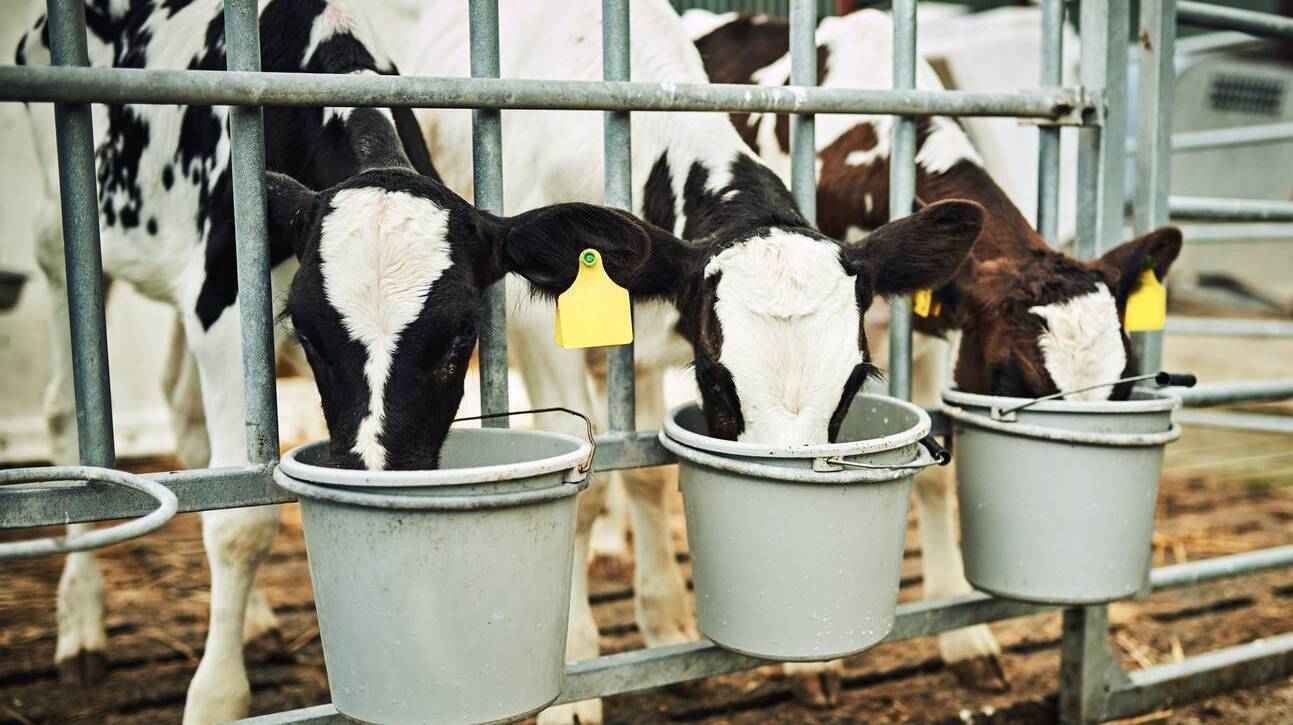
Every farm has a different way of rearing calves, but getting the basics right are the same for every producer.
With a large number of calves on the ground now around the country, rearing them well is such an important part of the dairy production system and getting it right is key for the future of the herd.
Every farm has a different way of rearing calves, but getting the basics right are the same for every producer.
The first priority must be getting the calves immune system up and running by providing sufficient colostrum, ideally in the first two hours after birth. For convenience and to be sure that the right volume is fed, many now tube calves their first feed.
Make sure that whatever method you choose to get colostrum into calves is done as hygienically as possible. Clean and sterilise equipment between uses. If you let calves get their colostrum from the cow, be aware that dirty teats can be a huge cause of future disease.
For those feeding fresh milk, hygiene is key, wash and sterilise equipment as recommended and store milk at the appropriate temperature to keep it fresh and safe for consumption. Some will use acids and preservatives to prolong shelf life and aid calf digestion. A calf can easily consume eight to nine litres of milk, but keep an eye that they are consuming sufficient roughage and meal to develop their rumen.
If feeding milk, replace the amount of litres you feed is not the relevant measure. You must work on how many grams of powder you want to feed the calves. 850-1,000g should be the target for dairy replacements, any more and they won’t consume sufficient roughage and meal to develop their rumens.
Too many herds are reporting bloat on powder as they are feeding too much, and there is no room left for roughage or concentrates. This is an issue in bucket-fed and automatic feeder-fed calves on milk replacers.
Always have clean water, roughage (preferably straw) and meal available to calves from three days of age on.
You must aim to optimise concentrate intake to calves as this is what develops their rumens best. Feed a meal mix which includes top quality cereals, digestible fibre and protein and avoid feeds with inferior bye products included.
If a meal is cheap it is so for a reason and not suitable for calves. It must also include a calf-specific mineral and vitamin pack. A high molasses content will encourage intake in the early stages.
I have been in plenty of calf sheds recently, and it’s amazing to see that the sheds used for rearing calves are so variable around the country, and so many factors determine their suitability for the job.
Some are too cold, while some are too stuffy with poor airflow. What makes a good shed can be different from yard to yard. The location of the calf shed in the yard can determine its suitability.
This type of sheeting, in fact, is detrimental to good airflow. You need good air inlets that don’t come in directly on top of the calves or fall down on them, and after that, you need a good exit for the air to keep them fresh.
Offsetting standard side sheeting and dropping them below the wall plate to create an up current is so much better for airflow and keeping calves cosy in their clean and fresh straw beds. Don’t overpopulate pens, as this is also a major contributory factor in calf disease.
Many herds now use calf jackets for the younger calves to help them regulate body temperature for the first three to four weeks. Take care that you wait until calves are dry before putting on jackets, and ensure that the jackets remain dry while on. Wash jackets between calves to prevent the spread of disease.
Some have installed canopies beside the walls in pens to try and create a more cosy environment, but take care that these can make it much more difficult to herd calves, bed them, and may also make it far more awkward to clean out.
Try to feed, meal, milk and straw in an area away from where calves lounge and sleep as this will help to keep bedding fresh and dry for longer-this is very obvious but often overlooked. For anyone planning to build or modify a calf shed for the future, ease of cleaning out, airflow and access to feeding must be prioritised.
- Brian Reidy is an independent ruminant nutritionist at Premier Farm Nutrition.