Points to mull before you reduce your ration's protein levels
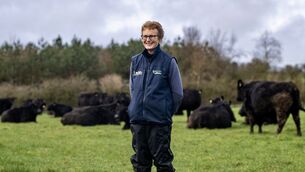
Ruminant nutritionist Brian Reidy says many herd-keepers can be tempted to skimp on protein in a bid to reduce input costs.
Almost all cattle to be housed this winter are now indoors or will be in very soon. It is important to finalise the feed plan for each batch of stock between now and when they leave the farm or are for turnout to grass next spring.
All will be looking at how to keep costs under control in the current climate, but don’t take your eye off animal performance.
Setting realistic and achievable performance targets for each group of cattle is a sensible approach. Don’t accept poor performance just because it would cost less. This is a trap many are in danger of falling into this winter when they discover that most silages are not of great quality.
It is much cheaper to put weight on younger animals than it is on older animals. More mature animals divert a higher proportion of their feed intake to maintenance before gaining weight.
As I will have tested their silage for them with my NIR, we are in a position where we can discuss the requirements and options around this silage.
Protein encourages intake and promotes frame growth. More than 90 percent of Irish grass silages each year will have a protein content between 10 and 13 percent. Very few will be above 14 per cent. 2023 silages are no different, and I have encountered some silages at 9% again this year.
This low-protein silage is not confined to lower quality silages either, with some very high digestibility silages also low in protein.
In many cases, growth was poor pre-cutting these crops, and the nitrogen remained in the ground and never got the conditions to convert into protein in the grass sward.
Apart from trying to reduce concentrate volume, some are also looking at options such as reducing meal cost per tonne by reducing the protein content.
This is, in general, not a good strategy as most silages produced in 2023 have a very low protein percentage, which I outlined above.
Concentrate prices continue to drop, with cereals particularly good value at present; however, unfortunately, protein sources such as soya, distillers and rapeseed have gone up in price recently. Having said all that, sufficient protein supplementation is a necessary part of good nutrition management in youngstock rearing and growing.
Some key points:
- Protein encourages intake, which improves performance Poor intakes will result in underperformance.
- Rumen bugs require sufficient Protein to efficiently digest nutrients. Protein is a major factor in promoting frame growth. Animals on a finishing diet will not flesh out properly if they are deficient in protein.
- Animals with a high muscle conformation can not continue to lay down muscle if they are not consuming sufficient protein on a daily basis.
But old habits die hard, and a common practice for many years has been to feed a beef nut or blend to growing weanlings.
However, this is not always ideal. These mixes generally have a protein content of 14-16%, and, at lower levels, will rarely balance grass silage sufficiently for growing stock.
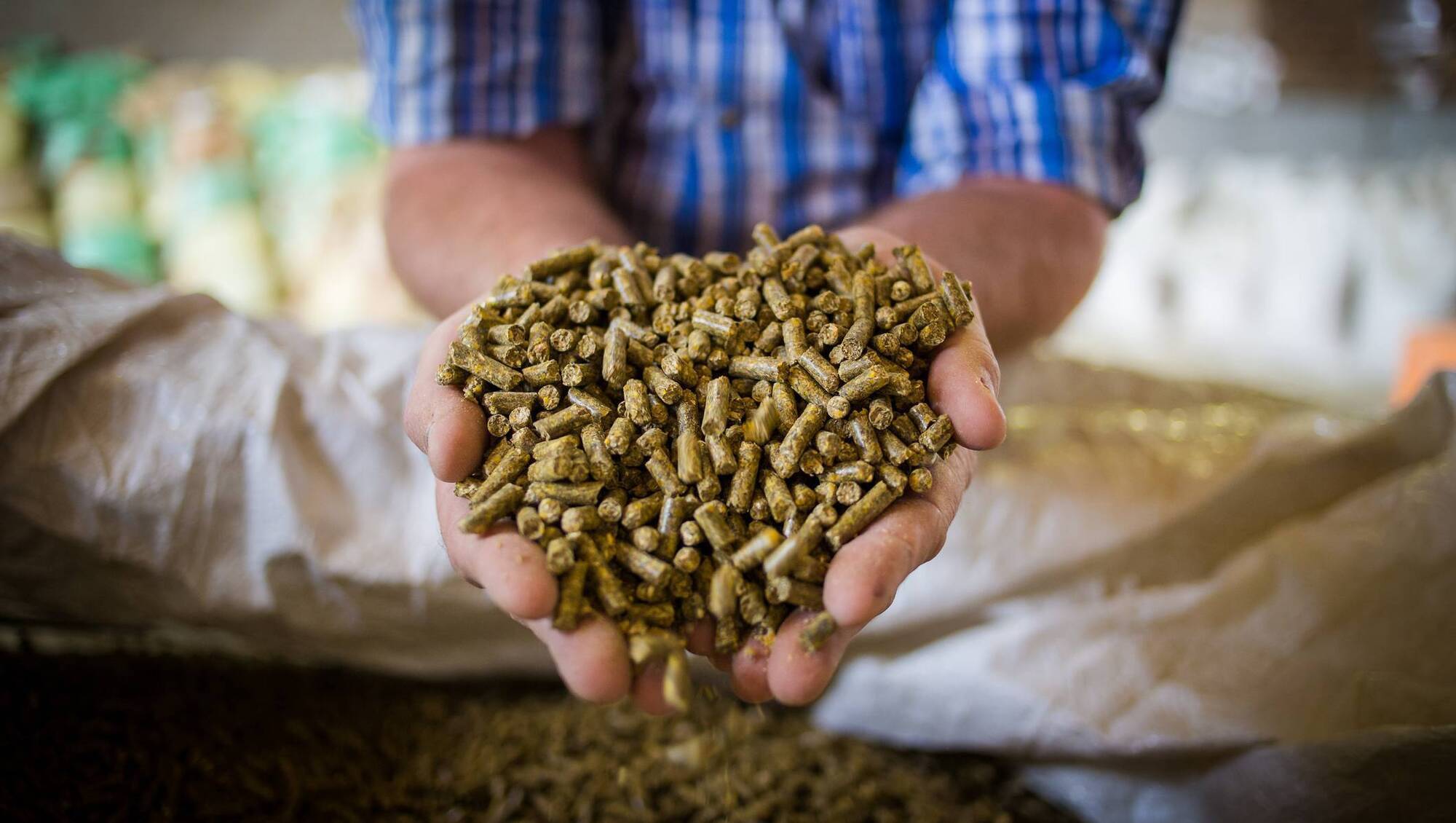
Beef blend or weanling-type mixes fed at the usual 2kg will not provide sufficient protein for growth. Thankfully, most feed manufacturers now sell a growing blend or nut with between 19 and 21% protein.
These were originally introduced to help to grow dairy replacement heifers but are equally as good at promoting efficient growth in young beef animals.
These blends are certainly much more suited for balancing 2023 silages to achieve the required performance.
When you underfeed protein to growing cattle they will tend to flesh too much and not grow properly. By balancing the protein of the diet properly, you can keep feeding them right up to turn-out and have animals that have grown well with a capacity to consume and make value of grass next spring.
Many protein sources are available to boost total protein intake in stock. It is important to find the one which suits your system best.
Protein, as I have already mentioned, is getting quite expensive this winter, but it is essential to promote optimum rumen function and animal performance.
It is also important that the source of protein is a quality one which is utilisable by the animals. Hipro Soya is the best source of protein, and as it has such a high protein content, it requires smaller volumes to balance this year's silages.
What performance is achievable will depend on the breed and sex of the animals. Protein and digestible fibres should be included in any growing blend to promote efficient frame growth.
The volume and protein of the concentrate required will be entirely dependent on the quality of the silage being fed, as mentioned above.
In all production systems, it is vital to have a period devoted to frame growth to avoid low weights and over-fat carcasses.
The period from seven months to 18 months is when cattle are capable of the most frame growth. Most beef breeds will be able to gain well over a kilo a day as weanlings when on an appropriate diet.