Signpost farmer Ruairi tries a new weaning method for his suckler calves
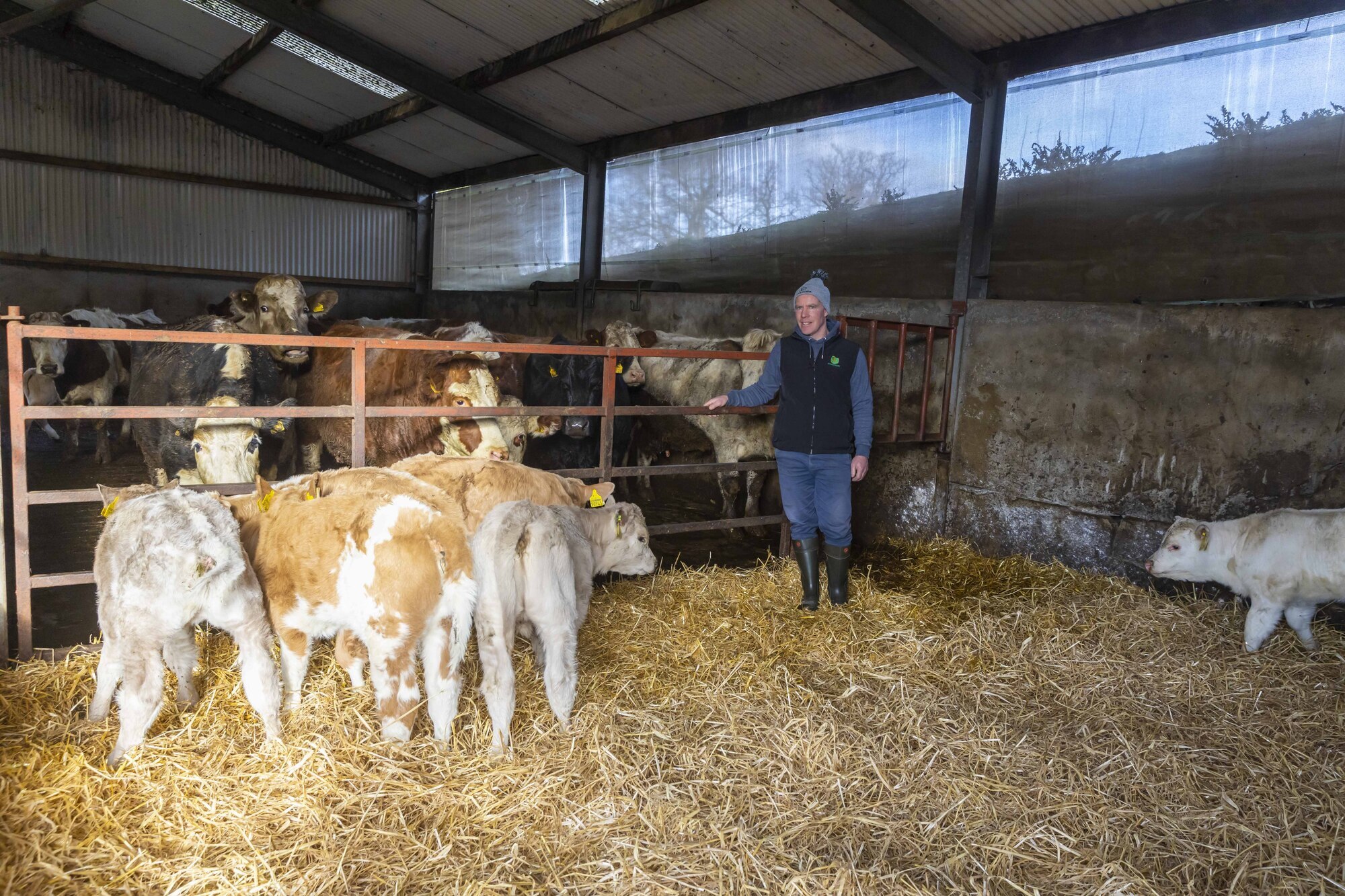
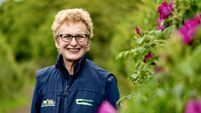
Ruairi Cummins on his farm in Kilmoganny, Co. Kilkenny. Picture: Patrick Browne
This month is probably the quietest part of the year here in Rossennara – that is until the calves are weaned!
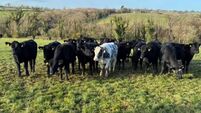
The heifers and bulls are being fed ration at grass, but the heifers are a little slow to eat it. I’m feeding them all 1-2kg/head/day of rolled barley and adding in a 15% crude protein ration to add a little extra flavour.
A trough is located in a paddock beside where the cows are grazing, and the calves can access it by going under the horse poles, which they have been forward creep grazing through all year. The heifers will be grazing paddocks close to the yard this weekend, so my plan is to start their weaning process then.
I will then remove the nose paddles and separate the heifers from their cows. By all accounts, the calves will be much more settled than if they were immediately split from their cows and housed so I’m curious to see how they work out. The bulls will be weaned the same way, but I will leave them on the cows for another two to three weeks to get as much weight as possible on them before housing.
There is a lot of grass on the out farm, so 18 to 20 dry cows will be hauled over there to graze it tight for the winter. The yearlings that were grazing over there came home, and I will be selling eight heifers and bullocks in the mart this week, so hopefully, they will sell well. Five cull cows were slaughtered off grass this week, too, with no ration, so it’s helping to reduce the feed demand on the farm.
With the wet weather, I’m finding that the cows aren’t very content at grass and are moving through paddocks very quickly – partly due to low dry matter, but also as they are walking some grass into the ground and then refusing to eat it.
Storm Agnes didn’t help matters either, as it damaged a few fences when it knocked down three ash trees. But these have since been repaired and tidied up.
As part of the Future Beef Programme, we participated in a study trip in Northern Ireland. We went to a farm walk on Wesley Browne’s suckler farm, just outside Monaghan town. The following day, we visited the Foyle Food Group factory and farm in Co Tyrone.
We also travelled to Oliver McKenna’s suckler and calf rearing farm in Eskragh - which is around 10 miles from Omagh - and had a great chat with him about his system. It was a very interesting trip, and I thoroughly enjoyed it.
I am currently shopping for a new Charolais stock bull to replace my younger bull on the farm. Two cows had caesarean sections delivering calves from him this year, and after contacting Wetherbys Lab, it turns out that he has the ‘Q’ myostatin gene, which is also known as the double muscling gene.
This means that any calves he sires are more likely to be heavier calves at birth and harder to calve. It sounds a little drastic, but the extra labour and costs involved with C-sections just aren’t worth it.
- Ruairi Cummins is a Future Beef farmer with the Signpost programme based in Kilmoganny, Co Kilkenny.

BLACK FRIDAY
Already a subscriber? Sign in