Provisional EU deal aims to strengthen trust in organic producers
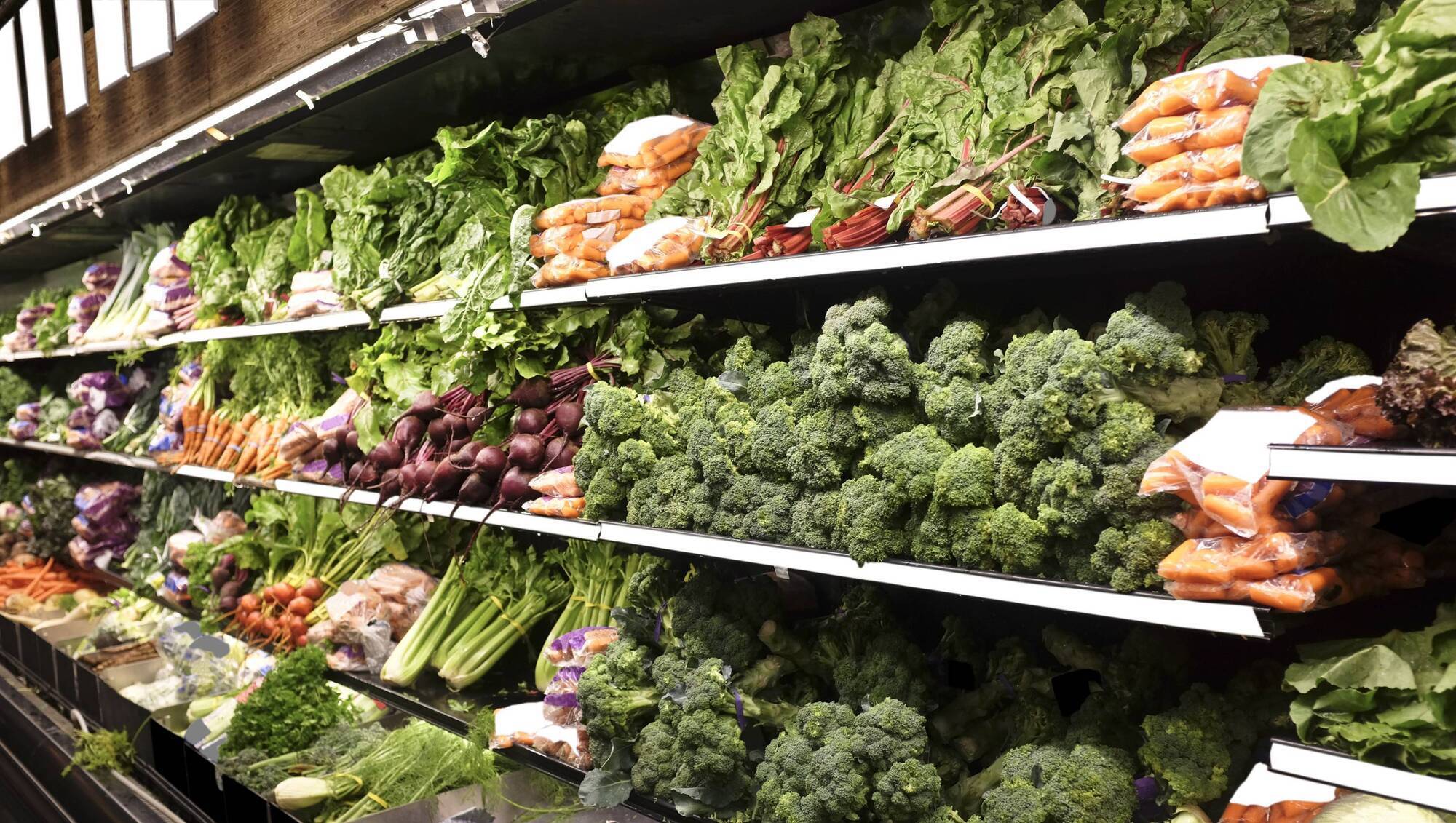
Exemptions from organic certification procedures are proposed for small businesses that sell unpacked organic products directly to consumers, as long as they are within specific limits on annual turnover and sales volume. File picture
New draft laws aimed at labelling, small operators and contamination measures to maintain confidence in EU organic producers have reached provisional agreement.
On November 17, MEPs and the Irish presidency of the Council of the EU reached a provisional agreement to adjust and improve the basic regulations on the production and labelling of organic products.
The draft law aims to ensure that consumers can make informed choices when purchasing products from third countries recognised as having equivalent organic standards.
The goal is to maintain confidence in the EU organic logo and guarantee fair competition between products complying fully with EU rules and those meeting equivalent standards.
The new laws look to update labelling standards for products imported from non-EU countries, exempt small operators selling unpackaged organic products and implement new measures to tackle cross-contamination.
With the new laws, products imported from third countries may only be allowed to display the EU organic production logo in their labelling, presentation or advertising if they meet equivalent standards and fulfil the additional production and control requirements.
Read More
This is intended to strengthen consumer trust in organic foods and ensure a level playing field between EU and non-EU producers.
Exemptions from organic certification procedures are proposed for small businesses that sell unpacked organic products directly to consumers, as long as they are within specific limits on annual turnover and sales volume.
To allow more small producers to remain exempt, it was agreed to raise the annual turnover threshold from €20,000 to €40,000 and increase the annual sales volume limit from 5,000 kg to 10,000 kg.
To address cross-contamination and differing national interpretations, the European Commission will publish information about best practices for preventing contamination between organic and conventional farming.
The provisional agreement must now be formally endorsed by Parliament and Council. Once adopted, the regulation will enter into force on the day following that of its publication in the Official Journal of the European Union.
Rapporteur Camilla Laureti said: “My objective is to provide this key sector with a stable, coherent, and predictable regulatory framework. Where appropriate, this framework should simplify existing requirements, while avoiding the repeated revision of legislation after only a limited period of implementation.
"Regulatory stability is essential to preserving the high standards that underpin the sector’s quality, competitiveness, and reputation, both within the European Union and on the global stage. At the same time, the sector must continue to ensure a robust level of protection for consumers.
"The aim is to strike the right balance between legal certainty for businesses, the sector’s long-term credibility, and the legitimate expectations of European citizens.”

BLACK FRIDAY
Already a subscriber? Sign in