Brian Reidy: Responding to a year of grass issues in the dairy herd
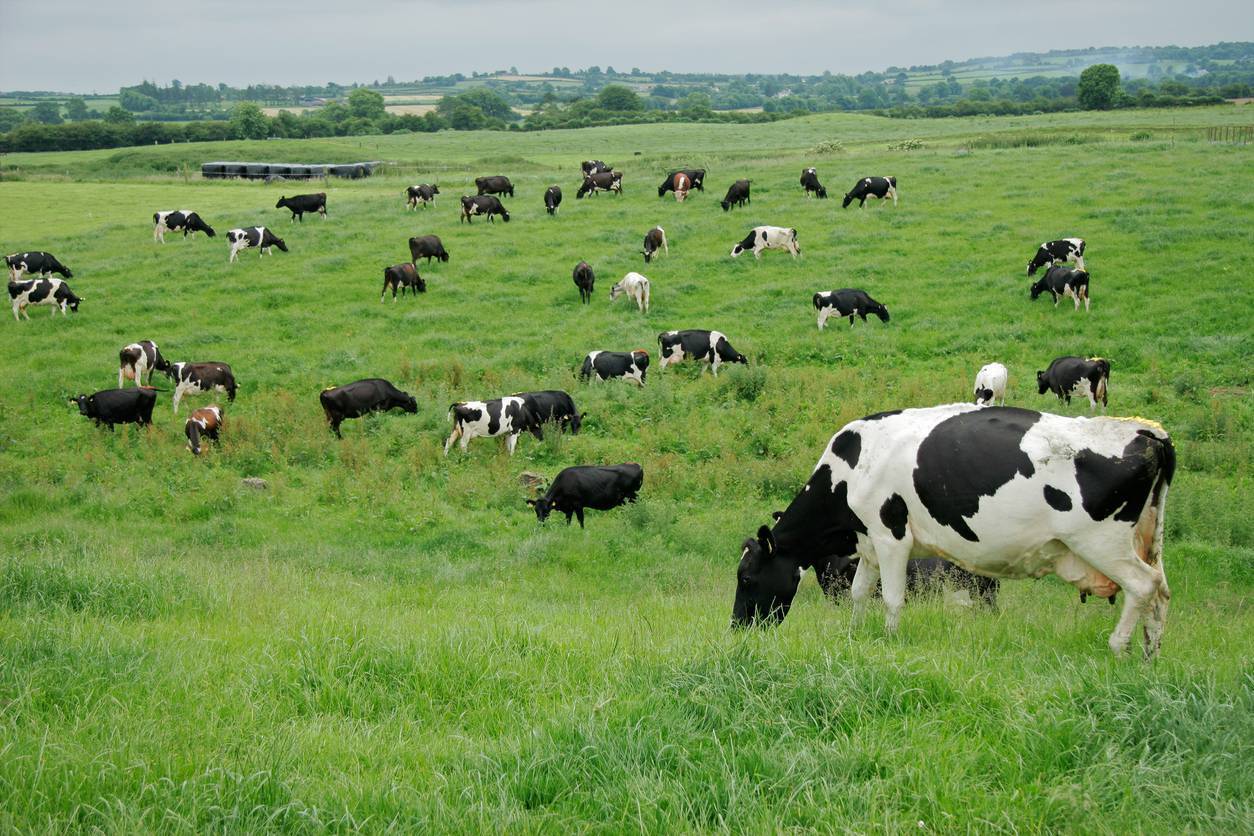
Autumn grass can be a bit of a mystery as it can be feeding very well one day, and all of a sudden, it loses its power, writes ruminant nutritionist Brian Reidy.
As we push into August and the evenings begin to close in, dairy producers have several aspects that need extra attention. Depending on your system, you will be looking at autumn fertiliser plans, reseeding, third-cut silage, scanning, monitoring heifer performance, winter feed budgeting, harvesting of crops, autumn calving and many more tasks.
Keeping spring cows milking well must also be high on the agenda, as they still have a long way to go before drying off. Autumn grass can be a bit of a mystery as it can be feeding very well one day, and all of a sudden, it loses its power.
For the last month or so, grass has been feeding very poorly, as can be seen in many herds around the country where yields are back, lactose is low, and urea levels have collapsed again. Sure, this issue occurs every year, but never as early as July.
Grass has not performed well this year, and it is difficult to put a finger on why that is. Currently, as we have experienced a very welcome increase in growth, we can see that grass is now a much better colour than it had been for a lot of the summer. However, it is so low in dry matter (12/13%) that it is nigh on impossible for cows to achieve intakes capable of achieving 13-14 litres plus maintenance from this grass.
Hence, the number of dairy farmers who have commented that cows are flying through grass at present.
From the reported dry matter levels, it is easy to see why, as basically the same fresh weight of grass consumed today only has around 60% of the dry matter as a visually similar cover of three weeks ago. This means that cows must take over 50% more bites each day to consume the same amount of dry matter, and this is often where the problem lies as we head into autumn grass.
Grass allocation must obviously be done based on dry matter, not fresh feed available, so recalibrating yourself to allow for a bigger area to get the appropriate dry matter into your cows each day will be needed. Then, what about the better milkers and heifers in the herd? How are they being catered for as grass dry matter drops?
Is extra supplementation required to bridge the gap, and should that come from introducing some conserved forage or from additional parlour feed? Is feeding to yield or individually possible? Either way, all cows need extra feeding on top of grass to maintain performance, with 120 days of milking still to do for most cows.
Any dramatic drops in milk yield, protein, butter fat, lactose and urea indicate that your herd is not receiving or digesting sufficient nutrients to maintain performance. Another factor of note beyond the low dry matter is the lack of fibre in grass currently, resulting in it passing through too quickly and undigested.
Obviously, the milk solid percentages in your herd will be influenced by milk yields, and as such, we really must convert figures to kilos of milk solids before we begin to make comparisons. A higher volume herd may have slightly lower solids percentage-wise. However, everyone supplying the same buyer receives the same money per kilo of milk solids.
A drop-off in lactose is a good indication that cows are not utilising sufficient energy, and this should be addressed quickly to avoid subsequent milk volume and protein percentage from dropping.
Key an eye on your KPIs and indicators - BCS, milk solids, milk urea, manures, gut fill and other health - all give an idea of what is happening on a nutrition level.
Assess dry matter intakes; measuring milk production, and knowing how much cows are consuming in dry matter terms will ensure that action can be taken, where needed, to adjust the diet.
Keep an eye on milk protein levels, as it is a good barometer of the cow’s energy balance and subsequent fertility. If protein is dropping, it's a good indication that cows are not consuming enough energy.
Low urea means they are not digesting or getting enough protein and depresses intakes significantly.
Reading cow manure is useful in assessing diet performance. Both very loose and very firm dung can indicate poor rumen function.
High intakes of grass must be balanced correctly for protein and fibre to promote good gut fill and provide the necessary structure and nutrients to maintain good rumen health and performance.
Complement autumn grass by buffering it correctly in order to keep cows in good condition for late lactation for spring cows. Ensure that the autumn diet is balanced for optimum performance and animal requirements and monitor performance in order to optimise returns.
Remember that the milk price is difficult at present, so producing fewer litres by withdrawing feed is a brave strategy!
- Brian Reidy is an independent ruminant nutritionist at Premier Farm Nutrition.