'Animal welfare issues' revealed in documentary spark investigation into dairy industry 
Undercover filming by RTÉ recorded scenes at marts across Munster of calves being kicked and thrown around, tails being pulled and twisted, and sticks being used
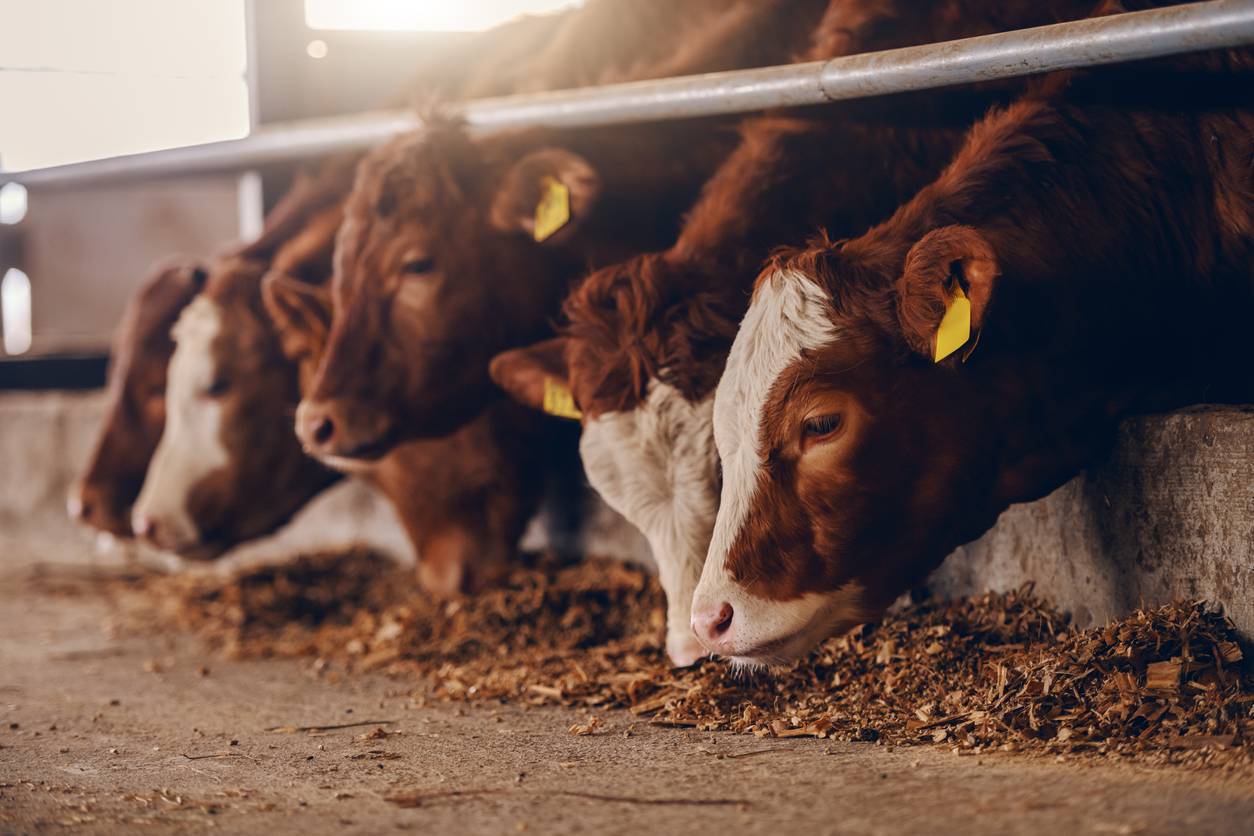
Around 200,000 dairy bull calves are exported annually from Ireland for the veal market in Europe. The removal of milk quotas in 2015 saw the dairy industry expand in Ireland, resulting in increased calf births. Picture: iStock

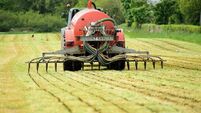
Around 200,000 dairy bull calves are exported annually from Ireland for the veal market in Europe. The removal of milk quotas in 2015 saw the dairy industry expand in Ireland, resulting in increased calf births. Picture: iStock
An investigation into “animal welfare issues at marts” and “breaches of regulations on the transport of animals in mainland Europe” has brought the Irish dairy industry under renewed scrutiny.

RTÉ Investigates followed the export journey of bull calves born in Ireland and destined for the European market, uncovering the alleged ill-treatment of animals throughout the process.

Around 200,000 dairy bull calves are exported annually from Ireland for the veal market in Europe. The removal of milk quotas in 2015 saw the dairy industry expand in Ireland, resulting in increased calf births.

Undercover filming recorded scenes at marts across Munster of calves being kicked and thrown around, tails being pulled and twisted, and sticks being used.

RTÉ said the Department of Agriculture has confirmed “it will initiate its own investigation into matters raised” about the “alleged mistreatment of animals at marts”.

The Irish Farmers Association has condemned the practices in the report and said an investigation that is “swift, thorough, and robust” must be carried out.

In a statement on Monday evening, Agriculture Minister Charlie McConalogue condemned the "shocking" practices featured in the investigation.

He said: "They were certainly not reflective of the work that farmers put into managing their farm enterprises responsibly. Farmers care for their animals and would never want to see them mistreated.

"As Minister, I have worked with stakeholders on a range of measures to improve calf welfare, and farmers and the industry are embracing these measures."

Mr McConalogue said that the footage shown on RTÉ was the "actions of a few".

He confirmed that the department had asked RTÉ to provide it with all of the available footage so an investigation could be launched.

He added: "What we saw was utterly unacceptable, and in some instances, was unlawful."

RTÉ followed a two-and-a-half-day journey of young calves — said to have been around three or four weeks old — being live exported from Co Wicklow, via ferry to Cherbourg, and by road to a veal farm in Spain.

During the trip, “breaches” of EU regulations “on animal feed and rest times” were exposed.

Pat McCormack, President of the Irish Creamery Milk Suppliers Association said he and his members found the issues and footage addressed in the programme to be disturbing and disappointing.

“In the first instance, the blame and culpability for this mistreatment lies absolutely with the individuals involved and those supervisors who may have had knowledge of these cruel practices, but who failed to act. ICMSA expects the Department to now investigate fully, and we know that they will be through and fair.”

However, Mr McCormack said that ICMSA and farmers, in general, rejected categorically any suggestion that this kind of abuse was widespread or a norm.

More in this section

Farming

Newsletter

Stay ahead of the season. Sign up for insights, expert advice and stories shaping Irish agriculture.

Cookie Policy Privacy Policy Brand Safety FAQ Help Contact Us Terms and Conditions

© Examiner Echo Group Limited