Mayo to Mongolia: an inside look into nomadic sheep herders
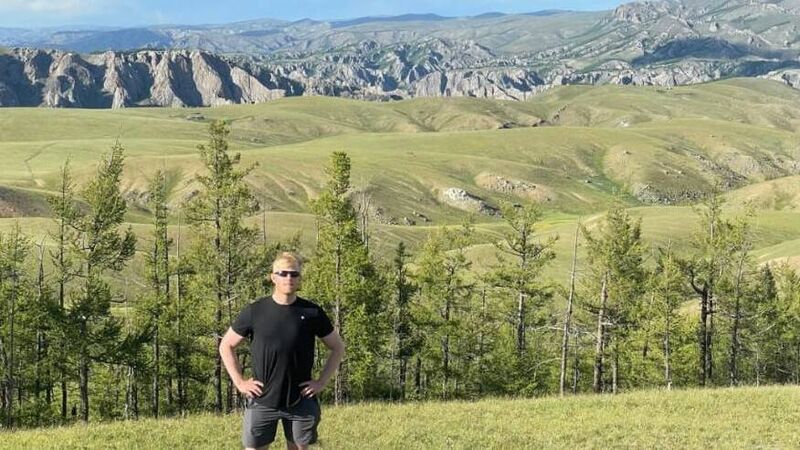
Sean Keane is in front of some mountain steppes, typical landscape of the region.
About 300km from the nearest town, Mayo farmer Sean Keane began to grasp the enormity of the challenges facing Mongolia’s nomadic sheep herders.
Surrounded by vast, degraded pastures stretching as far as the eye could see, he found himself immersed in a world far removed from his home.
“I was also the first European that many of them had seen… There was such a rich community and livelihood of farming,” Mr Keane said.
Mr Keane shared a felt yurt with herders and their families on a mountainside 2,500m above sea level. His days were shaped by the rhythms of herding, weather, and resilience, punctuated by stories of harsh winters past and uncertain futures.
Sheep are central not only to Mongolia’s economy but also to its culture and identity. These vast grasslands, spanning over 112m ha, support a sheep industry that puts Mongolia as the world’s 14th largest producer of sheep meat.
Of the country’s 70 million livestock recorded in 2025, almost a third are sheep. Lamb remains a staple of the national diet, with consumption averaging 69kg per person annually.
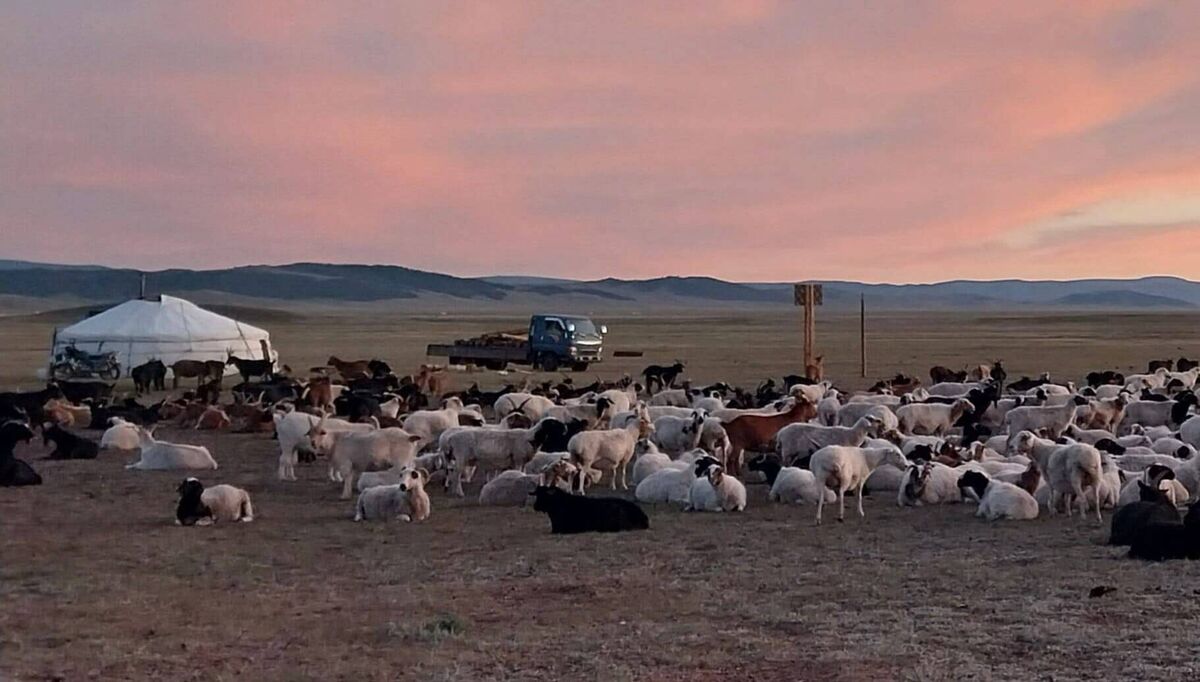
Yet for the families Mr Keane lived with, the figures only tell part of the story. About 70% of Mongolia’s pastureland is now considered degraded, a reality felt most acutely by the nomadic herders who depend on it daily.
As grazing land weakens and traditional systems come under pressure, Mongolia’s herders are attempting to combat challenges daily, in the health of their flocks and the future of a way of life passed down through generations.
With a strong background in sustainable farming, gained through hands-on experience managing sheep, cows, and chickens on his own small-hold farm, as well as a work placement in Brazil during his undergraduate studies at UCD, Mr Keane undertook a focused research project for his master’s thesis at Wageningen University.
His objective was to determine the optimal stocking density to support sustainable sheep grazing in the remote and challenging environment of Khövsgöl Aimag, Mongolia, where tradition and livelihoods are intrinsically linked.
Mr Keane flew into Ulaanbaatar and subsequently travelled by truck for a further 24 hours to the northern province of Khövsgöl Aimag, to a district called Tsagaan-Uul. There he stayed for four weeks at the tail end of the Mongolian summer, with the herders and their families.
At the time of his stay, he experienced the onset of winter in Mongolia, where evenings grew bitterly cold while days remained warm.
In Mongolia, they operate within a largely organic system, with herders not using chemical fertilisers, no re-seeding, no co-ops and currently no financial subsidy. The countryside of Khövsgöl Aimag was “just land, livestock and people”.
The region is traditionally well-known for reindeer, camel, yak, cows, goats and sheep. However, in recent years, herds are now dominated by sheep, goats and horses due to their mobility, and easier financing function as sheep can be quickly sold for emergency supplies.
Khövsgöl is known for its south-facing alpine mountains and grazing pasturelands. However, the ecological carrying capacity remains undefined, prompting Mr Keane’s investigation into the optimum stocking density.
As part of his research to determine optimal stocking density, Mr Keane looked into animal gain and overall sheep production in the province.
Currently, the province has only 2.31m ha of pastureland suitable for grazing out of a total of about 10m ha, with 20,000 active herders operating in the area.
Sheep breeds in the region consist of White Mountain sheep, Khangi, Bajad and Darkhad, all of which are localised breeds. Mature ewes typically range from 30-50kg and normally have one lamb a year.
In 1980, there was a stocking density of 0.44 sheep per ha, and animal gain per head was about 23.96kg/head per year. Based on Mr Keane’s research, currently, Khövsgöl has a stocking density of 1.2 to 1.3 sheep per ha, and in 2025, animal gain was only about 4kg/head per year.
In Mongolia, their summers could reach 35C, but winters can drop as low as -40C. These severe winter conditions are called ‘Dzud’ and are typical for the region, leading to major sheep loss. A severe Dzud could see a stocking density drop from 1.2 sheep/ha to 0.7 sheep/ha.
However, total output in the region has grown. In 1990, total output was 17.47kg/ha/year, and in 2024, it was 33.87kg/ha/ year.
While stocking density has nearly tripled since 1980, average animal gain has fallen dramatically, a clear sign of overgrazing pressure.
Also post 1990, the nomadic farmers lost the Soviet ‘Negdel’ regime, which offered farmers a fixed wage and financial support for feed, vaccines and shelters. This sudden loss of securities had farmers pouring what wealth they had into purchasing more stock.
The surge in stock numbers has caused heavy grazing, soil compaction, nutrient depletion, and biodiversity loss in the province. The loss of native plant cover has also resulted in the steppe grasslands in the region transitioning from carbon sinks to carbon emitters.
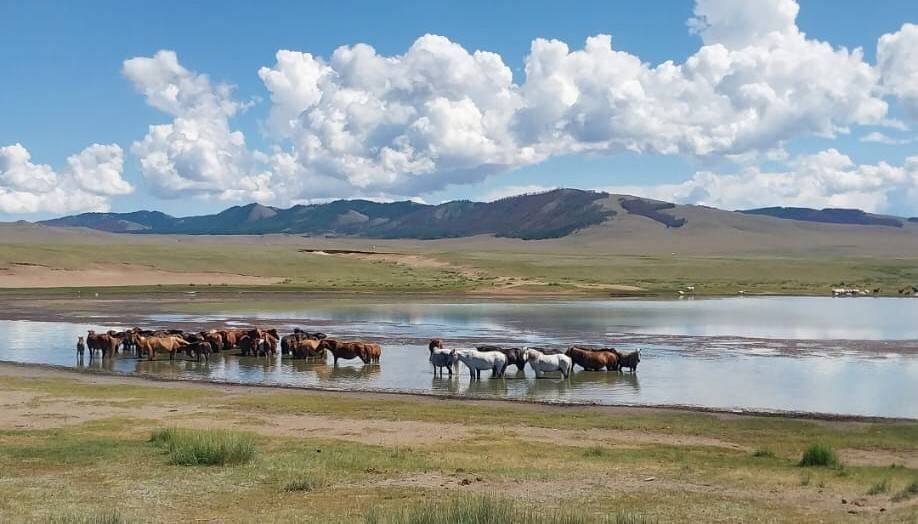
“Farmers are increasing the number of animals in their herds to compensate for individual losses each year because of less pasture.”
Aside from the extreme weather conditions, another main cause of this pasture degradation is the migration of the country’s own herders. Herders are moving from areas in the east, like Gobi, to northern areas for the less degraded land.
Nomadic herders used to move to new areas four to five times a year; now they only move two to three times. Herders becoming more sedentary and less nomadic has facilitated the degradation of the land, and with winters getting harder, natural resources are severely limited.
Based on his research and seeing firsthand what life is like in Mongolia, Mr Keane suggests an optimum threshold of 0.7 and 1.8 sheep per hectare would enable a better farming system as long as the government establishes supplement feed and water infrastructure to help the system become more resilient.
During his time in Mongolia, Mr Keane worked alongside the families who hosted him.
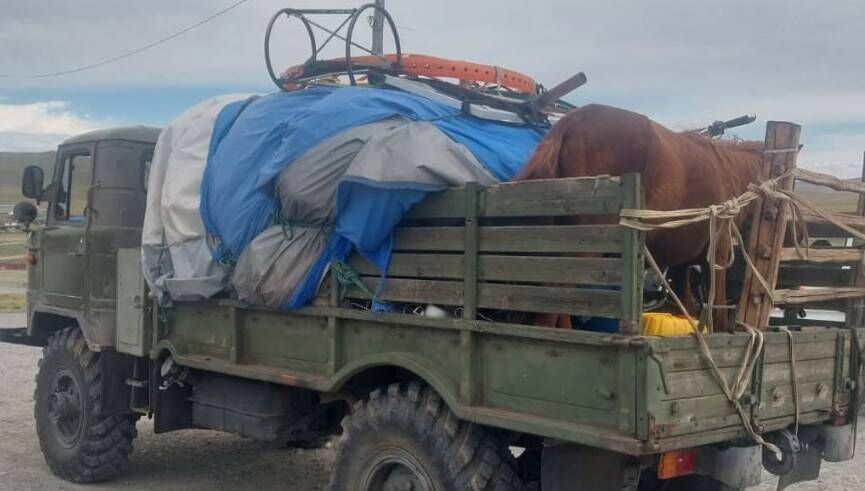
The women typically rose early and milked the yaks to produce cheeses and butters, managing their base camps, whereas the men typically herded their livestock each day for grazing and were taught to slaughter sheep at about 15 years of age. A typical day could see a herd walk 30-40km, with Mr Keane and the herder on horseback to bring a flock to a public grazing area.
A culture shock for Mr Keane was how stripped-back living was. The herders had their livestock, some horses, their yurt with some amenities, and a little truck moving with the animals to the next pasture when the need arose. There were no beds, electricity, or running water.
A highlight Mr Keane took away from the experience was the positive outlook on adaptation he witnessed among the herders and their families.
Another culture shock he experienced during his research was the sheer amount of lamb and sheep meat consumed daily.
“I came from Ireland, I’m used to my roast dinners,” Mr Keane said, but when it came to the same meals of bread, fermented milk and mutton or lamb tail for the two to three meals a day, every day, with the odd hunted marmot to break it up, it got a bit much.
Reflecting on his time in Mongolia, Mr Keane was grateful for the opportunity. “It was amazing. Living with nomads, I admire them. I respect them. It was a great insight into their lives.”