Second Farmed Animal Biosecurity Strategy launched
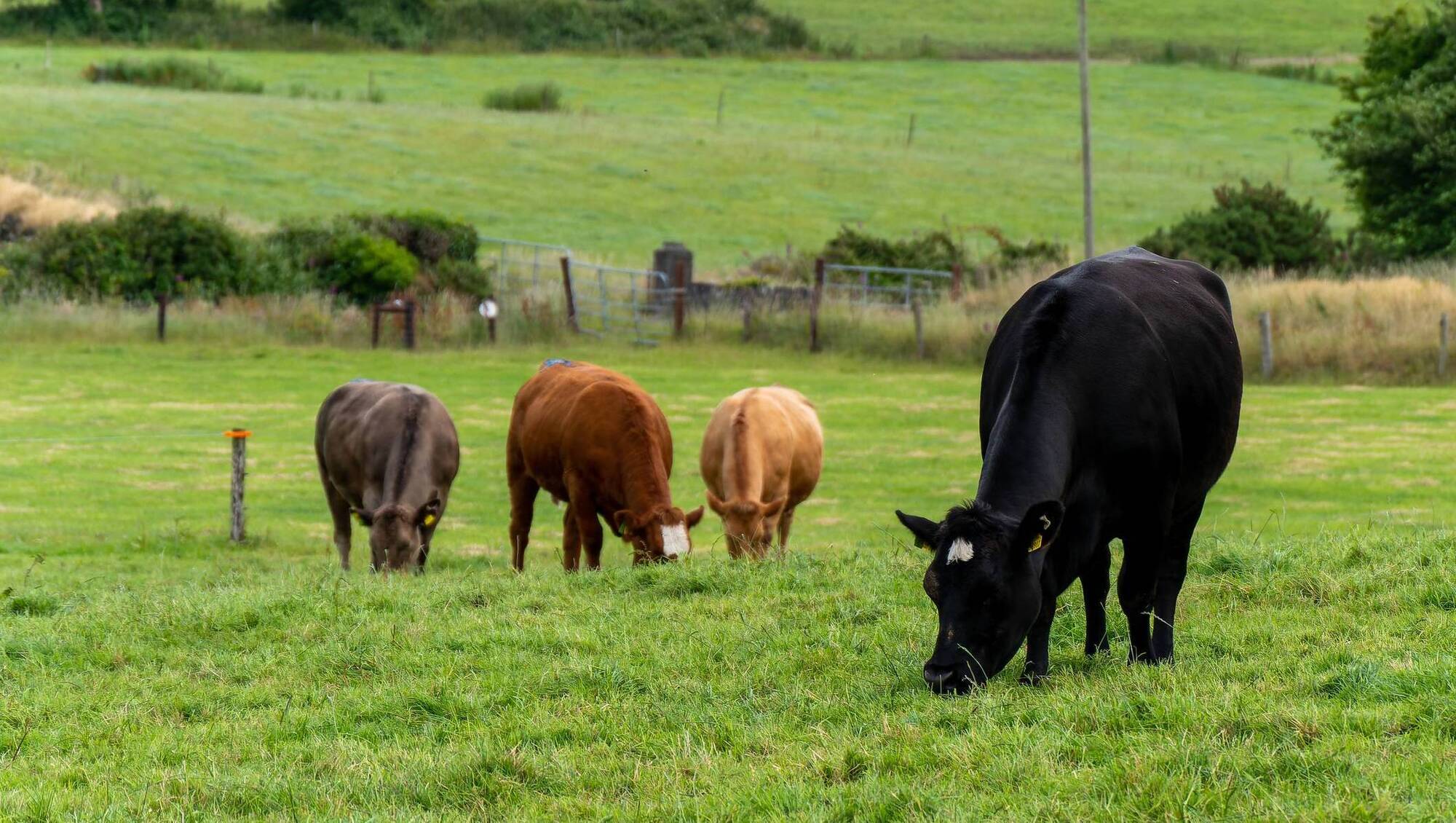
With the emerging biosecurity threats on the island the Department of Agriculture has launched the second National Farmed Animal Biosecurity Strategy (2025-2030) ahead of the new year
Second Farmed Animal Biosecurity Strategy launched

The strategy outlines the importance of farmed animal biosecurity in Ireland, as well as ensuring all relevant stakeholders are aware of their role and responsibilities in practising effective biosecurity.


The official second launch of the National Farmed Animal Biosecurity Strategy (2025-2030) was announced in December.

The strategy outlines the importance of farmed animal biosecurity in Ireland, as well as ensuring all relevant stakeholders are aware of their role and responsibilities in practising effective biosecurity.

Launching the new strategy, agriculture minister Martin Heydon said: “I am delighted to launch the second National Farmed Animal Biosecurity Strategy, a strategic plan for biosecurity over the next five years. The strategy has been launched at a particularly important time with the recent outbreaks of highly pathogenic avian influenza and the arrival of bluetongue in Northern Ireland.” 

The strategy has six key objectives:

  • Investigate and apply novel methods to distribute information on biosecurity and expand the availability of biosecurity information online;
  • Continue work on developing and publishing codes of practice for farm biosecurity;
  • Identify and address barriers that prevent implementation of effective and consistent biosecurity measures through research, including department and other stakeholders-funded research;
  • Collaborate with farm organisations, educational and advisory service providers, veterinary practitioners and other stakeholders to promote effective, sustained biosecurity practices through evidence-based behavioural change strategies;
  • Increase the awareness among stakeholders of the legislative obligations and biosecurity-related provisions in both national and EU legislation;
  • Continue to engage and collaborate between the competent authorities in Ireland and Northern Ireland in relation to an all-island approach to disease prevention and control.

Mr Heydon said: “Effective, consistent biosecurity practices protect and strengthen animal health and welfare, while also contributing to the improvement of animal production and quality. Preventing disease and maintaining good herd and flock health is essential to facilitating export market access and maintaining our reputation with trading partners.” 

“The success of the first biosecurity strategy demonstrates effective planning, hard work, and good collaboration between all stakeholders, and gives a solid foundation for this new strategy to build on.

“Geographically, Ireland holds a unique advantage in terms of biosecurity, particularly in protection against exotic animal diseases. However, with recent outbreaks of exotic diseases and the increased threat of other disease incursions, it is important not to become complacent.

"In 2025, we saw foot and mouth disease outbreaks in three countries in the EU, a wave of outbreaks of highly pathogenic avian influenza across Europe, including four in Ireland and the recent bluetongue outbreak in Northern Ireland. This highlights the ongoing threats we face.” 

The second strategy will complement the upcoming Plant Health and Biosecurity Strategy and biosecurity measures in place in the aquaculture sector, as well as aim to reinforce other department and agency strategies and regulatory frameworks, such as the Climate Action Plan 2025.

The department has also said it would continue to work closely with the Department of Agriculture in Northern Ireland, on an all-island approach to exotic disease prevention and control.

Read More

x

More in this section

Farming

Newsletter

Keep up-to-date with all the latest developments in Farming with our weekly newsletter.

Cookie Policy Privacy Policy Brand Safety FAQ Help Contact Us Terms and Conditions

© Examiner Echo Group Limited