Farmers call for forestry model to have trees 'as part of our farms and not replacing'
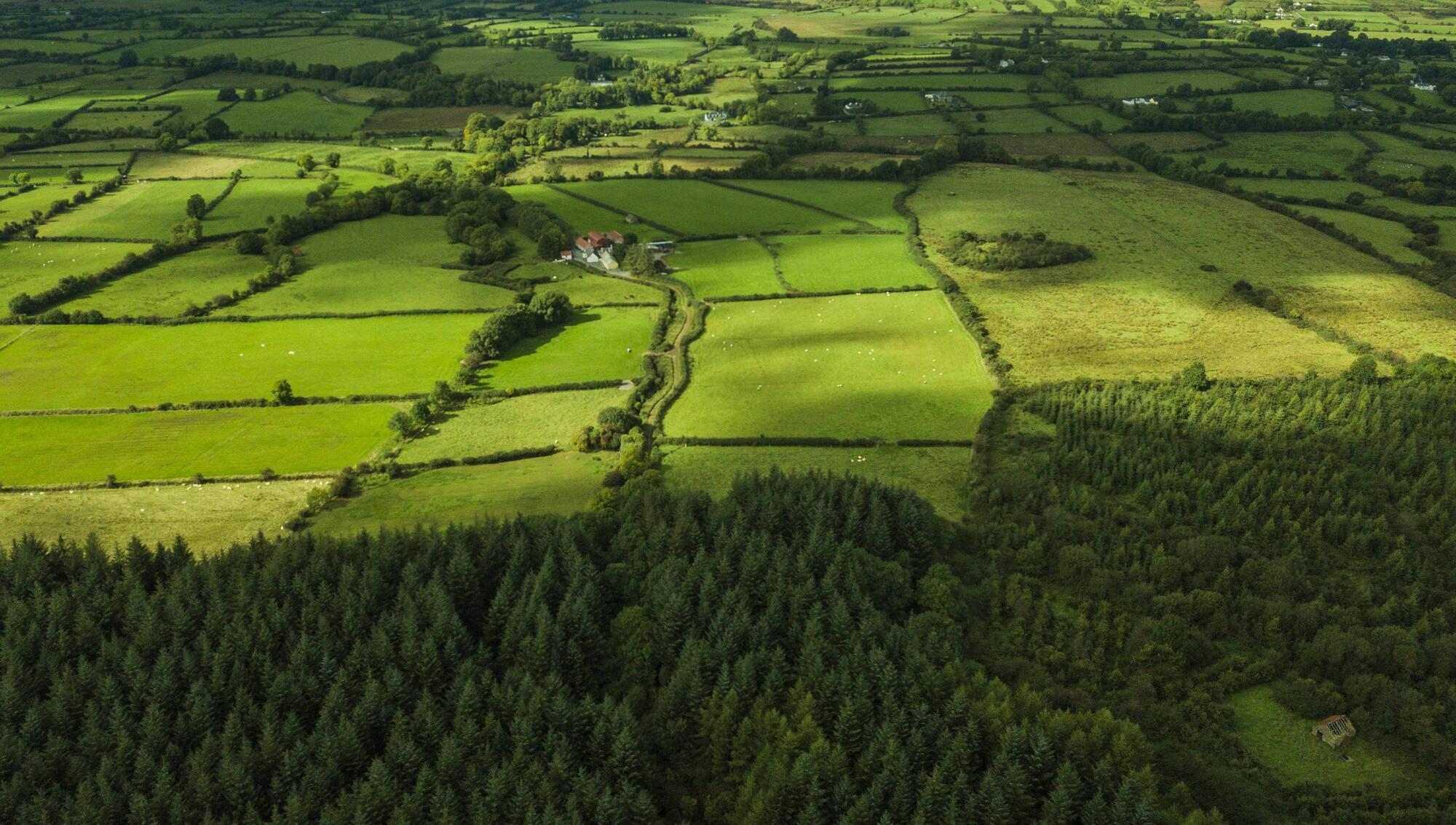
Forestry policy must support farmers and communities ahead of investment companies, the farm organisation has said.
A forestry policy that ensures trees are "part of farms and not replacing farms" is needed, the Irish Natura and Hill Farmers Association has said.
The INHFA has published its forestry policy document this week, which proposes a "blueprint for how Ireland can overcome the current impasse in afforestation, while achieving the three aims of increased carbon sequestration, greater biodiversity, and improved water quality".
INHFA council representative for Leitrim/West Cavan Patsy Daly said that this approach “benefits the environment, farmers, and our rural communities and is in stark contrast to the current Government policy on afforestation".
In outlining the INHFA forestry policy, Mr Daly said that the main aim must be to incentivise farmers to plant a portion of their farms with native woodlands and commercial broadleaf trees.
"Native woodlands and commercial broadleaves sequester carbon, they increase biodiversity, and improve air and water quality," he explained.
"Through this, we will see a policy shift from the vicious circle of anti-community, anti-environment, and anti-farmer to a virtuous circle of forestry delivering social, economic, and environmental benefits to the communities where they are situated.”
In seeking this change, it must be ensured that a policy implemented promotes native woodlands and native broadleaves ahead of Sitka Spruce, and supports farmers and communities ahead of investment companies and vulture funds, the INHFA said.
The association also said that it must see trees as part of farms and not replace farms, and provide funding only to those that have owned and farmed the land for a minimum period of time.
"This is a policy we can support and one that farmers and communities will support, but critically it is a policy that delivers on carbon, biodiversity, and water quality while enhancing rural communities," Mr Daly added.
Minister for Agriculture Charlie McConalogue and Minister of State Pippa Hackett attended the Oireachtas joint committee on agriculture, food and the marine this week to discuss the Department of Agriculture's new afforestation strategy up to 2027, licensing issues, and Coillte’s controversial arrangement with private sector funds to manage long-term forestry development.
Speaking at the committee, Mr McConalogue said that in 2022, the department issued 4,713 licences, which was over 1,200 more licences issued than applications received.
"We have seen real progress here, but we have more to do," he said in his opening statement.
"The new programme will do four things: it will see farmers get 20-year premiums and non-farmers get 15-year premiums; it will see premiums increased by up to 66%; it puts farm families at the very centre of it; and it will help us achieve an annual afforestation rate of 8,000 hectares per year to hit our climate targets.
"Farmers will also receive single farm payment on afforested land; other landowners will not receive this payment on afforested land."
Regarding the recent announcement of the agreement between Coillte, the Irish Strategic Investment Fund, and Gresham House, Mr McConalogue said that it is "not our preferred option" for planting.
"Our preferred option is for farmers to plant forest on their own land and that is what we have designed the new forestry programme to achieve," he said.
"But this fund is an option Coillte has put in place to help us reach our hugely ambitious forestry targets."
The total area of new forests planted through the fund will deliver roughly 3.5% of the 100,000 hectares of new forests Coillte has committed to enabling between now and 2050, Mr McConalogue said.
Of the state’s overall national target of 450,000 hectares of new forests by 2050, the fund will plant less than 1% of that total.
"Minister Hackett and I have asked Coillte to closely examine how they can work more closely with the state as well as farmers and local communities," he added.
He said that forestry is "truly the ace up the sleeve" as Ireland faces into a decade where it will need to reach up to 8,000 hectares of forestry planting each year.
"We have 11.6% of the country under forestry at the moment with a target of reaching 18% by 2050," he said.
"So, therefore, the state, the sector, and the industry must pull all possible levers to get us to our hugely ambitions targets."