Farm Finances: Vehicles imported from the UK are now liable for Irish VAT
Prior to January 2021, second-hand cars imported into Ireland were predominantly not liable to VAT on importation into Ireland.
Figures published from the Society of the Irish Motor Industry (SIMI) on the number of new and imported cars for 2021 show an uplift in the number of new car sales for 2021, and a significant drop in the number of imported cars.
104,932 new cars were registered in 2021 compared to 88,325 for the same period in 2020 (+18.8%) and 117,109 in 2019, meaning new car sales made up a lot of ground toward recovering to pre-pandemic sales levels.
However the number of imported used cars registrations recorded a hefty decrease of 20.4% on 2020 levels, with 63,617 used vehicles registered compared to 79,969 for 2020, When comparing the number of used cars registered in 2021 versus 2019, the past year, the drop is even more significant recording a 44.2% drop on 2019 registrations of 113,926 that year.
The underlying reason for a significant drop in used car imports from the UK is as a result of the changes brought about by Brexit, namely the application of VAT at 23% on the import of used vehicles along with VRT, NOX tax and customs duty.
Prior to January 2021, second-hand cars imported into Ireland were predominantly not liable to VAT on importation into Ireland. For private vehicles, the VAT paid by the original first owner in the UK was the only VAT charge payable for the lifetime of the vehicle as second-hand private vehicles were not liable to VAT.
Following the UK’s exit from the European Union (excluding Northern Ireland), the importation of vehicles from the UK is treated as an import from the third country and liable to Irish VAT being the first point of entry into the EU regardless of the VAT status of the vehicle in the UK.
Vehicles purchased from NI, that were in NI prior to January 1, 2021, are treated as EU goods and no customs formalities are required and VAT on import and customs duty are not applicable. However, where vehicles from Britain are moved to the EU, through NI, after December 31, 2020, including those re-registered to an NI owner, then customs formalities and VAT on import may apply.
To complete a customs import declaration an individual must be registered for Revenue Online Service (ROS); be registered for Customs & Excise & have an EORI number (Economic Operators’ Registration and Identification System Number).
If the vehicle is of UK origin, then a 0% tariff rate applies. However, vehicles of EU origin that are in use in the UK and that are subsequently imported into Ireland from Great Britain will not be eligible for the 0% tariff rate, as they will not qualify as UK origin under the rules of origin.
This means that Customs Duty of 10% is applicable to most vehicles imported from the UK, calculated on the customs value of the vehicle. The VAT charge at 23% applies on top of the customs rate. The VRT payable is calculated by reference to Revenue’s valuation database, referred to as the Open Market Selling Price (OMSP) of a vehicle, rather than the actual purchase price.
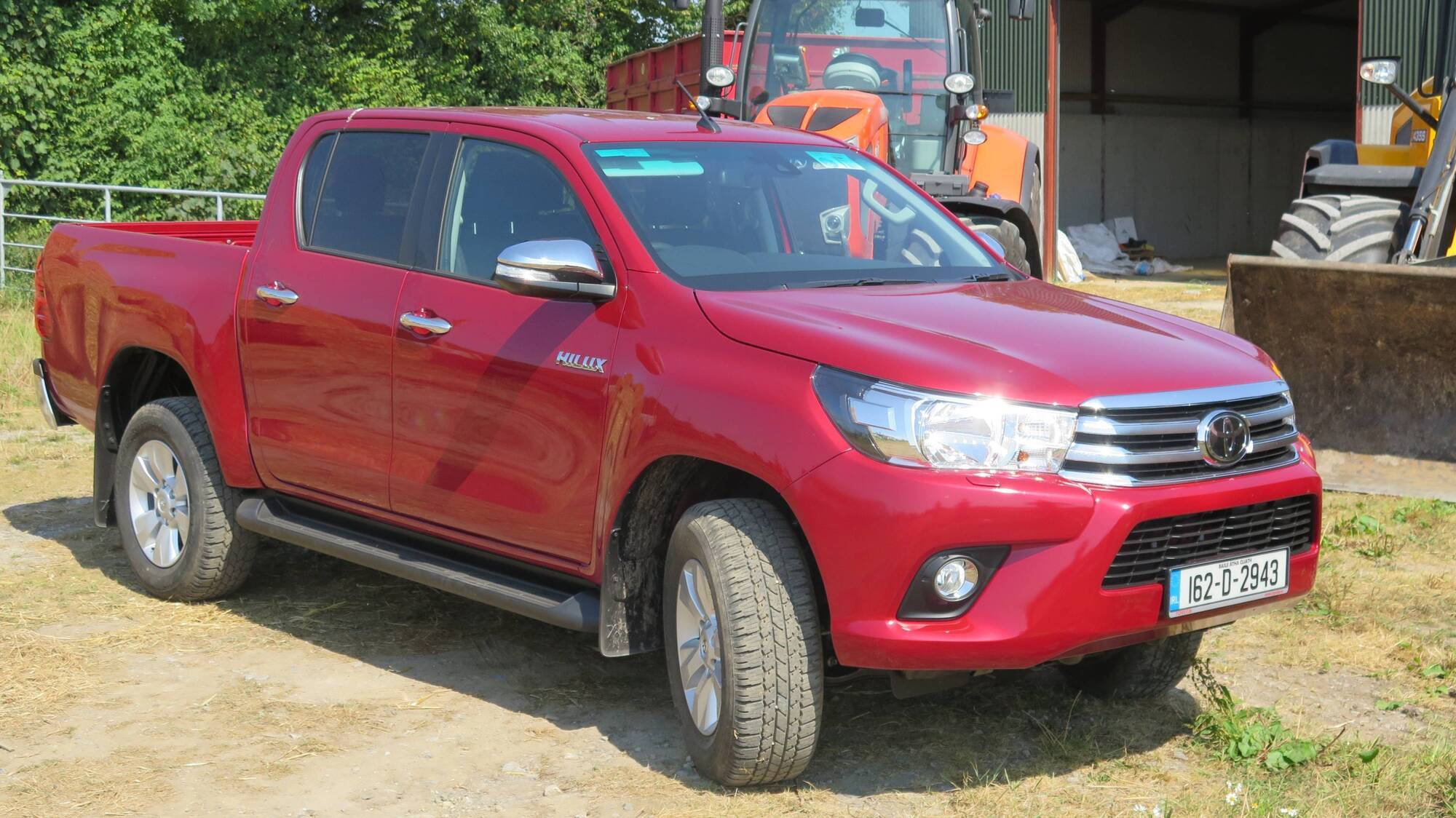
The Revenue has published an update guide on vehicle importing procedure, Revenue eBrief No. 022/22 is now available online. For farmers looking to import jeeps and crewcabs, the same rules apply vis and vis VAT, customs and VRT; however, the added complexity is that many such vehicles imported from Northern Ireland will be liable to VAT as prior owners are more likely to have been VAT registered in that jurisdiction.
To compare apples with apples, when pricing jeeps and crewcabs in Ireland versus potential imports from the UK and Northern Ireland, it is worthwhile knowing the exact status of the vehicle so the import costs can be accurately factored in.
Individuals should seek professional advice in relation to their own specific circumstances.