Herd Tasks: Your weekly farming checklist
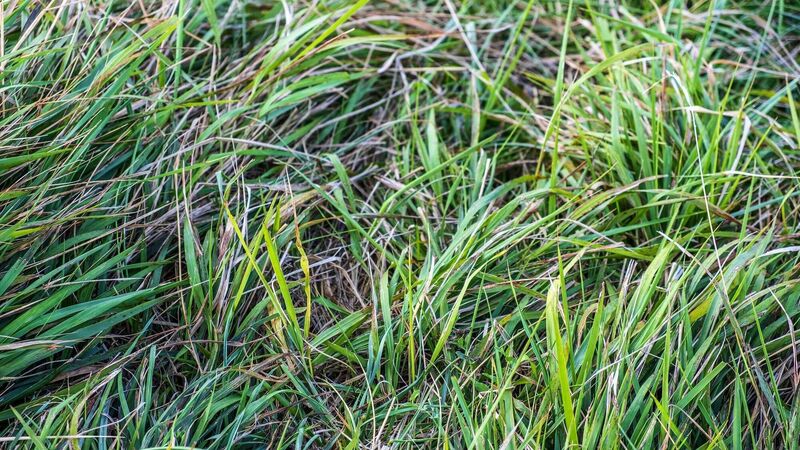
Yellowing grass is often a sign of nitrogen deficiency

- Try to keep high-producing stock on good-quality grass swards if outdoors or the best silage available if still housed.
- Have plans in place to apply fertiliser once conditions allow.
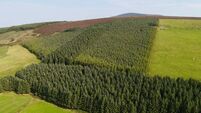
- The ground is badly in need of nitrogen, as can be seen where grass has gone yellow and reduced in volume due to cold and wet.
- Start planning for silage — remember earlier cuts provide better quality and will reduce concentrate requirements next winter.
- Check water troughs in paddocks and give them a good clean out before cattle enter paddocks for the first grazing of the year.
- Driving intake should be a priority to boost milk and fertility performance in fresh cows. Introduce cows slowly to grass and increase allocations each day for a week before leaving them out between the morning and evening milking.
- Many herds are now out by day or soon will be; make sure that you allocate ground based on finishing the first round in approximately the first week or in many cases this year, the second week of April. Monitor this based on growth rates, as you don't want to start the second round with too low a cover, as you will be close to the breeding season by then.
- Many herds will need to adjust grazing targets and dates depending on turnout, fertiliser application and ground conditions.
- Supply fresh cows that remain indoors with the best quality forage you have on the farm, and balance with a sufficient volume of an appropriate concentrate.
- Start supplementation of suckler cows once they go to grass with magnesium to prevent Tetany–Bucket licks, etc.
- Dry days and cold nights are forecast for next week — ideal tetany conditions.
- With the spring breeding season just around the corner, the following should be planned for the coming weeks.
- Pre-breeding heat detection — Take note of heat activity so you can monitor cows once breeding commences. — This will also help to identify non-cycling cows. Cows not cycling need to be checked for problems to improve submission rates.
- More and more suckler herds are using scanning as a management tool.
- Pre-breeding vaccination programmes should now be decided on. Consult with your vet regarding timings, etc.
- If, as is mostly the case, young stock remain indoors, it is important to maintain a consistent diet to maintain intakes so that they can hit the ground running once they head to grass.
- Replacement heifers to be bred this spring need to be in a rising plane of nutrition pre-breeding to optimise their fertility performance.
- On grass, make sure that each individual animal is full and consuming adequate grass.
- Where measuring grass ensure that weanlings are eating a minimum of 2% of their body weight in dry matter. If not achieving these intakes, supplementation may be necessary.