Mercosur products must comply with EU standard
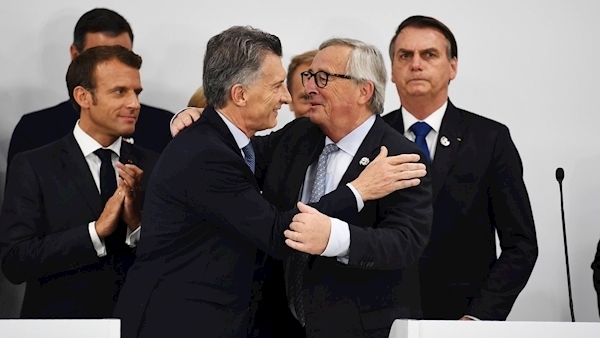
The EU-Mercosur trade agreement will not change the requirement that any product arriving to Europe from Argentina, Brazil, Paraguay and Uruguay must comply with the EU’s stringent food safety standards.

Mercosur products must comply with EU standard

The EU-Mercosur trade agreement will not change the requirement that any product arriving to Europe from Argentina, Brazil, Paraguay and Uruguay must comply with the EU’s stringent food safety standards.

According to an EU spokesperson, the trade deal agreement in principle will not limit Europe’s ability to resort to actions similar to the Carne Fraca response in 2017.


What was Carne Fraca?

Carne Fraca was the Brazilian police operation which uncovered about 30 meat companies in Brazil selling contaminated meat on domestic and foreign markets.

It led to the EU imposing some new restrictions on meat imports from Brazil, some of which remain in place, and will do so as long as necessary, despite the trade agreement.

In 2017, the fraudulent practices included changing the expiration dates of rotten meat, by using chemicals to mask the bad meat smell, and injecting water into meat to make it weigh more, even in products used for school meals.

What about pesticide use in South America?

EU food safety, animal and plants health standards are not negotiable, said an EU spokesperson.

“The EU maintains its right to set maximum allowed levels for pesticide residues.”

This might pose particular difficulties for Brazil, where President Jair Bolsonaroa has allowed the registration of 152 previously banned pesticides, many of which are banned in the EU.

What about hormone use in South America?

According to the EU meat lobby, hormone-treated beef is excluded from the proposed 99,000 tonnes of beef that the trade agreement would allow Mercosur export to Europe before they have to pay tariff quotas.

But antibiotics used as growth promoters, and many other practices not used in Europe will presumably be subject to EU border checks.

Is the EU lowering quality standards?

“The EU remains fully independent in deciding safety criteria for products that reach our market,” said a spokesperson.

The agreement explicitly upholds the “precautionary principle”, allowing the EU to keep a product out of the EU market.

“Our robust system of checks allows us to make sure that EU rules are effectively respected.”

What checks are carried out?

These checks include inspections and prior-approval of operators interested in exporting to the EU, control of documents and physical checks at the border, and sampling of products already on sale in the EU.

Are food and agriculture standards included in last week’s agreement in principle?

The trade agreement in principle says both sides have the right to adopt measures to protect human, animal and plant health, including situations where scientific information is not conclusive.

A spokesperson said the agreement will help the EU and the Mercosur countries to better tackle common challenges, such as antimicrobial resistance affecting humans and animals.

The agreement creates a dedicated working group to co-ordinate action in food systems, and co-operation in international organisations.

It will establish a structured dialogue and exchange of information between the EU and Mercosur on animal welfare.

What about products going from the EU to South America?

The deal will make it easier for EU food products to reach the Mercosur market.

European Commissioner for Agriculture Phil Hogan pointed in particular to opportunities to export premium products more effectively, thanks to agreed protections for iconic food names ranging from Italy’s Parma ham to France’s Comté cheese.

Europe’s food producers should also benefit from the dropping of tariffs on spirits (current tariffs are as high as 35%), wines (27%) and confectionery (20%).

“Our distinctive, high-quality EU agri-food products will now get the protection in Mercosur countries that they deserve, supporting our market position and growing our export opportunities,” said Commissioner Hogan.

“For this agreement to be win-win, we will open up to agricultural products from Mercosur with carefully managed quotas that will ensure that there is no risk that any product will flood the EU market and thereby threaten the livelihood of EU farmers.”

x

More in this section

Farming

Newsletter

Stay ahead of the season. Sign up for insights, expert advice and stories shaping Irish agriculture.

Cookie Policy Privacy Policy Brand Safety FAQ Help Contact Us Terms and Conditions

© Examiner Echo Group Limited