Cattle mortality soared in March and April
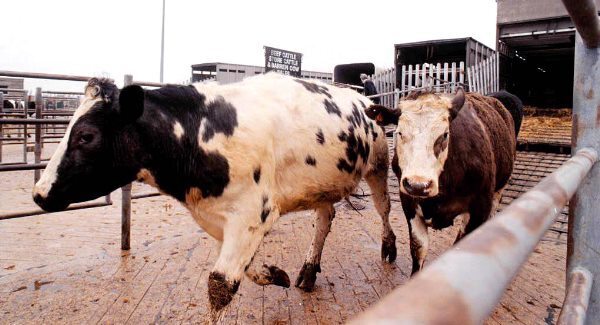
Cattle deaths on farms soared in April and March, increasing 22% and 30% compared to the 2017 levels, according to the latest information from the Department of Agriculture.

Cattle mortality soared in March and April

By Stephen Cadogan

Cattle deaths on farms soared in April and March, increasing 22% and 30% compared to the 2017 levels, according to the latest information from the Department of Agriculture.

Revealing the figures in the Dáil last week, Agriculture Minister Michael Creed said on-farm deaths in April were up 30% from 34,405 in 2017 to 44,625 in 2018.

The deaths in March increased from 43,711 in 2017 to 53,258 in 2018.

The figures for February were 33,454 in 2017 and 36,466 in 2018.

The total of on-farm bovine deaths for the four months increased from 130,480 in 2017 to 156,877 in 2018, up 20%.

Mr Creed gave the information in a Dáil reply to Roscommon-Galway Fianna Fail TD Eugene Murphy.

It comes from the department’s Animal Identification and Movement Database (AIM).

“Care needs to be taken in the interpretation of raw data in the absence of a denominator,” said Mr Creed.

He said the animal population, the underlying number of births, etc, must be taken into account. However, the December livestock census had shown only a 0.9% increase from the end of 2016 to the end of 2017.

The jump in cattle deaths is mainly due to bad weather since last autumn reducing grazing and provision of winter fodder. About 18,000 tonnes of imported forage was required (the equivalent of only eight hours’ feed for a bovine population of 7m, according to a recent statement by Mr Creed).

Meanwhile, Teagasc is carrying out a national fodder census to determine the likely extent of another fodder crisis this winter, due mainly to the current drought.

An ongoing fodder survey by Dairygold Co-op has already identified a potential shortfall of about 25% of winter fodder supplies for its milk suppliers. This week, the co-op launched measures designed to mitigate the current grass shortage and to facilitate provision of fodder for the coming winter.

These measures include interest free credit on purchases of feed and fertiliser in July and August “in recognition of the financial hardship farmers face”.

Earlier this year, Dairygold was the first to import fodder to alleviate hardship on farms.

Even as the potential livestock winter fodder shortage increases with every day that grass growth is postponed by drought, farmers in the field vegetable sector are already seriously affected.

Large investments in irrigation equipment and labour have been put into salvaging crops. It costs about €100 per acre to irrigate with 25mm of water, so the resulting crop is likely to be loss making.

Due to pest and weed control not working well in dry weather, one grower had a staff of 27 weeding a 21-acre field of parsnips, which cost €309 an acre, according to Teagasc advisers.

They also reported the loss of a 16-acre crop of broccoli, because there was no water source available for irrigation. The crop cost €50,000 to establish.

There are variable levels of losses in non-irrigated crops, and total crop losses will increase.

Teagasc advisers also warn of yield losses at over 25% in broccoli, 30% yield loss in cabbage, direct drilled seed onion crops abandoned due to wet weather in March and April, some complete swede crop losses, and 15% loss of celery crops. Some non-irrigated cauliflower crops are gone,

It is the worst drought to hit the vegetable industry in living memory, and there will be a shortfall in the supply of most Irish vegetables to supermarkets, according to Teagasc.

As a result, some growers will not be trading in 2019.

More drought news on pages 2, 3, 9, 10, 15

More in this section

Farming

Newsletter

Stay ahead of the season. Sign up for insights, expert advice and stories shaping Irish agriculture.

Cookie Policy Privacy Policy Brand Safety FAQ Help Contact Us Terms and Conditions

© Examiner Echo Group Limited