Cork father-of-three who died by suicide was 'the brightest light', inquest hears
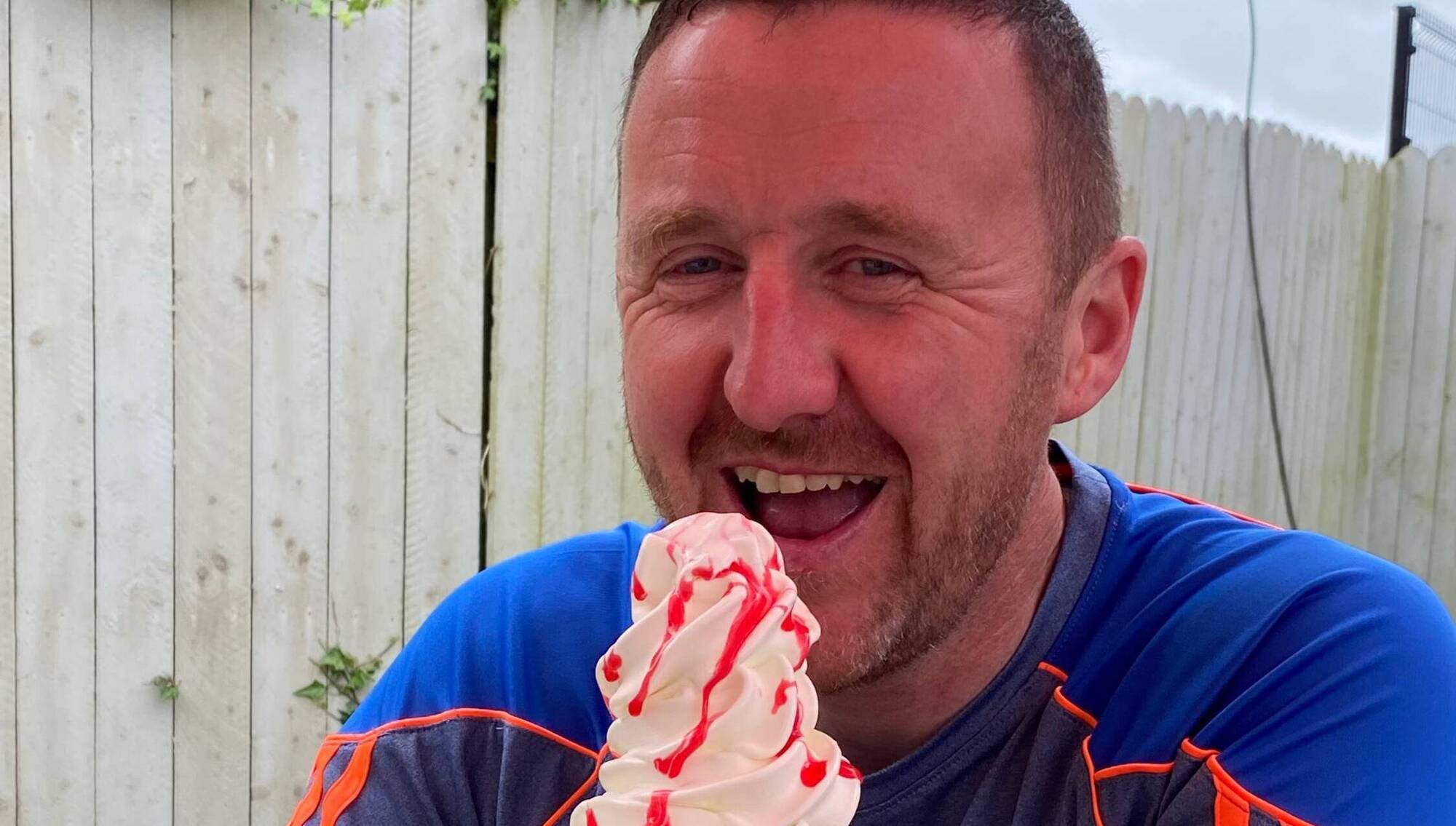
Ray Kenny was described as a loving and devoted husband, father, brother, and son by his wife Cara.
A man who was “the brightest light”, a loving father, and active sportsman died by suicide after his mental health reportedly deteriorated in a Cork psychiatric unit.
Ray Kenny, aged 50, a father-of-three from Kilworth in Co Cork had been admitted to St Stephen’s hospital in Glanmire after suffering a sudden decline in his mental health.
His wife, Cara Kenny, said that he had entered hospital thinking it was a place he would be safe.
“Ireland's Mental Health system is broken. Ray sought help and was failed by the very system that was to protect him,” she said.
Mr Kenny died on May 26, 2025. Ms Kenny, who was married to Mr Kenny for 14 years, said that he was a loving and devoted husband, father, brother, and son.
“He adored his family, and his children meant everything to him. He loved his life in Kilworth, where he was deeply rooted and played an important role in the local community and sports," she said.
Although he suffered a previous bout of mental illness, he had been healthy and medication-free for nine years.
But when he noticed his mental health declining in March 2025, he sought medical help. He was admitted to St Stephen's hospital. He told his wife that he found being at the hospital "traumatising."
Although Mr Kenny had been anti-smoking, he started smoking 40 to 50 cigarettes a day in hospital as he felt frustrated and said there were no therapeutic outlets for him.
A keen runner, he said that he had limited opportunities to exercise.
Mr Kenny visibly disimproved in hospital, Ms Kenny said.
He reported contemplating suicide while running in woodland by the hospital but thoughts of his children stopped him. This reported near suicide attempt resulted in him not being allowed to go outside unaccompanied.
On Friday, May 23, 2025, Mr Kenny was extremely agitated at not being allowed to walk outside alone, punching walls of the hospital in frustration. That night he wrote a goodbye letter to his wife which staff became aware of.
But he left hospital to visit family the next day, Saturday, May 24, 2025, and seemed well when he returned that night, so staff did not believe there was an imminent suicide risk, Cork City Coroner’s court heard on Monday.
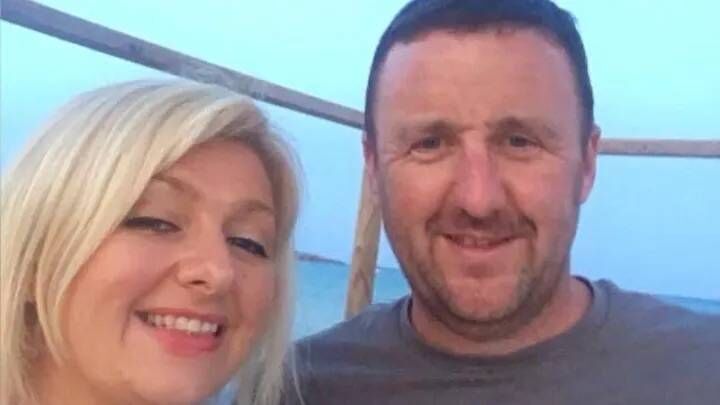
Mr Kenny had spent the Saturday with his family at home, playing with his children and planning jobs he wanted to do to the house when he was out of hospital.
But that evening, he told his wife that he felt guilty about being away from his family in hospital.
“I said he had nothing to feel guilty about, that he was unwell,” Ms Kenny said.
But he started getting agitated around 8pm and returned to St Stephens, Ms Kenny said.
When back in hospital, Mr Kenny texted his wife, thanking her for a great day at home.
But he said that being in the hospital was “torture”. He couldn’t watch TV and there were was no peace in his six-bed room in which two people were constantly talking about bus tickets and star wars.
“No wonder I’m cracking up,” he wrote.
When his wife tried to contact him the next morning, his phone was turned off — something he never did as he did not know the code to turn it on again.
She contacted the hospital and said that she was extremely concerned about him.
But she said that she was told that he was in good form at breakfast that morning and was looking forward to coming home to watch a Cork-Waterford match that day.
She called the hospital again and was again told that her husband was well, she said.
But a short time later, the hospital called her to say that her husband had been found unresponsive after a suicide attempt and was being taken to CUH’s emergency department.
Ms Kenny’s repeated calls to the hospital are what led to him being found, she said.
Anti-depressant and anti-anxiety medications had been prescribed for Mr Kenny initially at low doses which were then increased, according to his response and the medications' protocol, but his condition continued to fluctuate in the days before his death, with good days and bad days, psychiatrist Dr Grozdana Lalevic said.
Barrister for the family Pearse Sreenan, instructed by solicitor Lyndy Cantillon, asked why another medication he had been on previously — the antipsychotic drug Quetiapine — had been discontinued, despite Mr Kenny requesting it.
But the doctor said that his condition had initially deteriorated while on this medication; it was not the drug most commonly prescribed for his diagnoses of anxiety, depression and insomnia; and he had only been on a low dose of it anyway.
Mr Sreenan suggested it should have been increased rather than stopped.
Coroner Philip Comyn gave a verdict of death by suicide.
He said that the hospital’s communication with a family in a case like this was important. But Ms Kenny felt that the hospital did not involve her adequately in her husband’s treatment plan.
The coroner and both legal teams expressed their sincere condolences to Ms Kenny and the wider family on the death of Mr Kenny.

CONNECT WITH US TODAY



Be the first to know the latest news and updates