Stephen Cadogan: For the birds: The challenges of conserving biodiversity
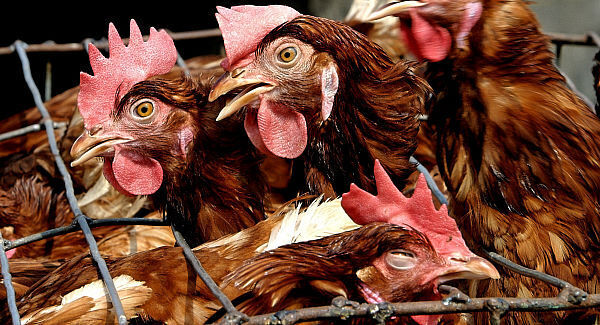
Across Europe, there is a danger of farmland birds becoming extinct.
The European Commission says the status of 15% of all wild bird species is near threatened, declining or depleted, and another 17% are threatened.
This has happened despite EU and national policies which have major consequences for farmers.
In Ireland, for example, farming and other activities are restricted in large areas of upland, to protect the hen harrier.
Now, one of Europe’s top agri-research institutions, Wageningen University & Research, is examining how to curb the loss of farmland birds in the Netherlands, where the Dutch House of Representatives has requested the minister for agriculture to formulate a national plan for farmland birds.
According to Wageningen University, climate change, intensification of agriculture, urbanisation, and an increase in the number of animals that steal eggs or chicks have hit bird populations.
Although the Irish and Dutch landscapes could hardly be more different, we can still learn lessons from their research.
We should pay heed to their explanation of intensification and upscaling of agriculture, that it not so much the farmer’s choice, but is fuelled by the need for cost-effective production for the global market.
Low prices leave farmers little scope for nature-friendly measures, such as cutting grass later, and allowing land get wet, and to grow a rich variety of flowers.
These measures lower grass yields, and drive up the cost of meat or milk production.
How do you persuade consumers that they should pay a premium for dairy products from farms that conserve farmland birds?
Alex Schotman, animal ecologist at Wageningen Environmental Research, suggests organic farmers ensure there is scope for a richer biodiversity, as well as using no artificial fertilisers or pesticides.
He also points to the gradual disappearance of the very open landscapes that birds need to survive, a trend driven by urbanisation, expanding infrastructure (roads, pylons, wind turbines) and increasing shrubbery and trees.
Trees are all very well, but farmland birds require wet, open grasslands.
One fifth of an adult farmland bird’s diet consists of larvae and insects, with earthworms accounting for the remaining 80%.
Earthworms only live in wet soil, and dig deeper in drought conditions, so there must be a high groundwater level, and the soil must be rich in organic matter.
Meanwhile, more and more animal species eat the birds’ eggs and chicks — such as foxes, birds of prey, seagulls, crows, herons, storks, stoats and martens.
Farmland birds would be better able to cope with this in large-scale nature reserves with an abundant food supply and plenty of vegetation cover.
Birds are struggling to keep pace with climate changes.
The suggested answer in the Netherlands is eco-inclusive agriculture, which can only succeed if the loss of income due to lower production is offset by compensation for reduced carbon emissions (for example, when land is allowed get boggy, the best possible conditions for farmland birds, but cutting agricultural production 50%).
Ireland has over 450 bird species, and is particularly important for North-east Atlantic seabirds and wetland species of the flyway.
EU Birds Directive Special Areas of Protection cover 6.14% of Ireland (compared to an EU average of 12.3%).
But the researchers at Wageningen University have pointed to the particular set of challenges in conservation of farmland-bird species, which have thwarted the efforts of nature and landscape conservation organisations, farmers and volunteers.
Maybe we need a nature conservation act (which came into effect in the Netherlands last January) to establish a binding national programme to improve conservation of our native wild plant and animal species, including our farmland birds.