EU’s annual crop import row re-ignites
The EU animal feed industry has warned there may be severe trade disruption due to delayed EU authorisation of genetically modified (GM) crops.

EU’s annual crop import row re-ignites

Three crops deemed safe by the European Food Safety Authority in 2015 have not yet been authorised for import.

The EU relies on imported crops for 75% of the protein-rich ingredients in animal feeds, and EU traders may be forced to restrict vital imports of protein-rich soya due to the increasing risk of finding traces of GM crops not yet authorised in the EU, which could result in fines and shipments being turned back.


This is becoming increasingly likely, because the crops are available to growers in key exporting regions to the EU.

In a joint letter to EU Commission president Juncker, Europe’s COCERAL group of grain traders, the FEDIOL vegetable oil producers, and the FEFAC federation of animal-feed makers, said their member companies and trading partners do not know if soya supplies will be available from North America in the autumn for the EU market, because of the delayed EU authorisations of the three crops.

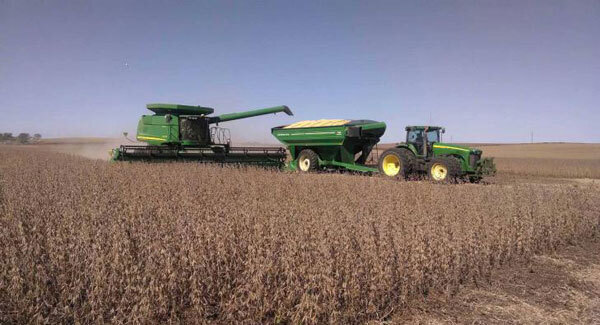
The delayed EU permission to import the new soybeans has prompted some grain firms, such as Archer Daniels Midland and Bunge, to tell US farmers they won’t buy the crops when they are harvested in the autumn.

The American Soybean Association (ASA) has responded with calls on the EU to act, warning that continued delays pose serious issues both for farmers and industry.

“The European Commission must abide by the timelines set out in its own regulations, as well as its obligations under the World Trade Organisation, and give these traits the approvals that it has said are forthcoming,” said an ASA spokesman.

The transatlantic dispute over new genetically modified crops has nearly become an annual event, due to years of EU delays in approving them.

“The lack of action on behalf of the European Commission is both unexpected and unacceptable,” said a spokesperson from Monsanto, owner of one of the new crops.

More in this section

Farming

Newsletter

Stay ahead of the season. Sign up for insights, expert advice and stories shaping Irish agriculture.

Cookie Policy Privacy Policy Brand Safety FAQ Help Contact Us Terms and Conditions

© Examiner Echo Group Limited