Oliver Moore: Tillage barriers may be in the head
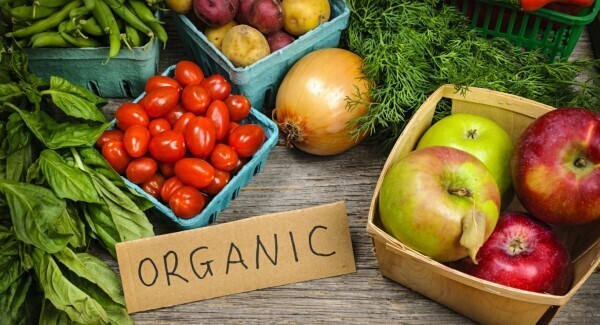
With the Organic Farming Scheme 2015 opened until May 29, and with a payments increase of up to 60%, interest in the sector is higher than it has been in some years.
Oliver Moore: Tillage barriers may be in the head

While livestock and horticulture are relatively successful in Irish organics, there are laggard sectors. Organic pork, poultry, dairy and tillage, for various reasons, do not attract the same numbers in Ireland as elsewhere in the EU.

In the case of dairy and tillage, the production systems are considered very specialised. Indeed, in tillage, most producers have mixed farms, with organic oats to Flahavans, and feed for the main markets. Some also grow to provide their own feed and to avail of the land and soil management benefits rotations offer.

There are a few specialised tillage-only units in the UK, but even there, that is rare.

I spoke with new IOFGA board member and one of Ireland’s leading tillage farmers, Trevor Harris, about organic cereal production. He has been certified organic since 1999, and operates a mixed grassland and tillage system on his 230 acres at Donadea, Co Kildare.

Oliver Moore: What are the main barriers to organic tillage production in Ireland, Trevor?

Trevor Harris: The barriers are probably more in the head really. Lads think they’ll have loads of weeds. Farmers worry about reaching the correct yield, fertility of soil and perceived difficulties in correcting this.

Also organic tillage is mainly on mixed farms with cattle and or sheep. In conventional, most tillage farms are specialised tillage only. So there’s no stock, fencing, or any of these other elements livestock brings.

Mixed farms makes it easier to produce crops in organic, however.

With rotations, you build fertility, and the disease burden is lowered as well.

Mixed farming also improves the ways you can deal with weeds. Pure conventional tillage is very specialised, with lots of inputs – fungicides and herbicides - fellas might be worried about managing without them.

Are any specific crops more difficult in organic tillage?

With oats, you can’t grow too many years in rotation without disease problems. Spring or winter barley are the most difficult; oilseed rape can be difficult too. It’s important to get the rotation right.

How is the market?

The market is reasonable enough, there is a little more work in marketing your grain, a lot sell direct to the end user. In conventional, you deal with the mill, they sell it after that. So it’s more challenging to sell on in organic, and some people don’t like the idea of marketing farm-to-farm or selling to a company.

Last year’s harvest was down a little, maybe 20%, but prices held well. There is definitely a mark up in organic tillage, it used to be 70-80% higher, granted with a lower yield, and it may stay at that. Plus there are fewer expenses in organic.

And then there’s the saving the world dimension?

You do feel better about yourself, not handling noxious chemicals, alright!

Trevor Harris is involved in IOFGA’s new “Field Talk” initiative of four events with five farmers. These demonstration walks are especially good for those interested in going organic, but are “designed for farmers recently converted to organic production” according to IOFGA.

Harris and his neighbour, Alan Mooney, will host a field talk event on July 21. Mooney will focus on clover, animal health and finishing animals; Harris will focus on tillage, emphasising cover crops, fertility, crop slection and economics.

If you want to attend, email to tricia.notley@iofga.org or john.seery@ifoga.org.

x

More in this section

Farming

Newsletter

Keep up-to-date with all the latest developments in Farming with our weekly newsletter.

Cookie Policy Privacy Policy Brand Safety FAQ Help Contact Us Terms and Conditions

© Examiner Echo Group Limited