Farmers need time to adapt in first years of CAP reform
Since 2007, he has specialised in grain production on 350 hectares, including conacre and contract farming.
He plans to make a significant change by transferring a 40-hectare block of rented land into a five-year lease for his son, who is returning home to farm.
This is a good example of how farmers will have to be very well informed, so they can adjust well to the new Basic Payment Scheme (BPS) and the Greening Payment, which replace the Single Payment Scheme farmers have dealt with for nine years.
Tim’s son is FETAC level 6 qualified, so he can apply to the National Reserve for entitlements, plus the Young Farmer Scheme.
For Tim, this adjustment is a once-off method of indirectly stacking his entitlements. And it will relieve pressure to rent additional land, because the BPS is based on the value of the Single Farm Payment in 2014, with the hectares based on the lower area of either 2013 or 2015.
He has also confirmed he is well prepared for the crop diversification requirements on all tillage farms above 10 hectares, which have to grow either two or three crop types.
The rule will not affect Tim because he already has a diverse cropping programme.
He has also checked his Environmental Focus Areas (EFA).
On farms above 15 hectares, where EFA rules aply, growers must have 5% of their area comprised of landscape features (hedgerows etc) and area-based options such as protein crops.
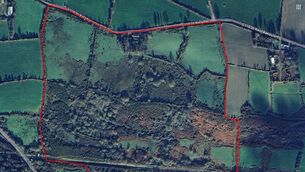
Tim looked at his greening maps on-line, which indicated his land had 14% EFA.
However, after editing, this was reduced to 8.6%.
The River Liffey runs through his land, and 2-metre buffer strips to comply with Nitrates rules help him to meet EFA requirements.
Even so, Tim plans to grow 16 hectares of beans as additional EFA area, and draw down the €250 per hectare protein supplement for the beans.
He is looking forward to GLAS to help compensate for the drop in the Basic Payment over the next five years.
He already practices min-till and could introduce green cover crops, fallow and wild bird areas into underperforming arable areas, to maximise the €5,000 GLAS payment.
Tim is well prepared for BPS, and shouldn’t have any trouble doing his on-line application for the BPS, which became available last week, three months before the application closing date.
With 30% of direct payments now becoming dependent on meeting the “greening” criteria , it is important that farmers understand and comply with the new rules.
However, it is inevitable that they will prove too difficult for many farmers — not least because some basic questions on how to implement the new rules remain unanswered in some member states.
Excessive red tape and bureaucracy has long been a major concern for EU farmers, costing them money due to unintentional errors, stifling innovation and investments, and reducing productivity by tying up time and resources.
Agriculture Commissioner Phil Hogan has acknowledged this concern, by undertaking a comprehensive screening of the entire agricultural legislation, in order to simplify it.
But that will take years, and farmers must be given time to adapt in the first years of the CAP reform, and must not be penalised unfairly.
Without tolerance in the first years, and free or affordable advice and help for farmers, there will be a repeat of disasters like Ireland’s ineligible land, in which 10,000 people have lodge appeals against payment penalties, and are collecting money to take a case against the Department of Agriculture.