Calf rearing methods compared
Outdoor rearing and once-a-day feeding can minimise the labour without compromising calf health and welfare.
Emer Kennedy, Moorepark, has looked at outdoor rearing methods and compared them to indoor rearing. Three systems were compared — indoors; outdoors with low-cost roofed shelters; and outdoors with straw-bale shelters in a cross or ‘X’ shape.
Calves went to grass at about three weeks old. If, however, calves became ill or showed ill-thrift outdoors, they were brought back in and treated, and returned outdoors after recovery.
Daily weight gain from birth to weaning was higher for the calves reared outdoors (0.54 kg/calf/day) than for those reared indoors (0.48 kg/calf/day).
The number of treatments administered was lowest in the shelter treatment (one treatment) compared with the indoors and straw calves (11% and 6%, respectively).
It was clear that pre-weaning treatment affected post-weaning weight gain. Weights of outdoor reared calves tended to be higher (by 9 kg) 72 days after mean weaning.
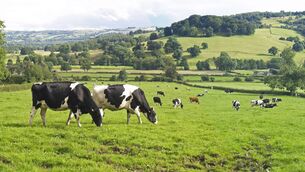
Requirements for successful outdoor rearing are a sheltered paddock; portable shelter; a method of feeding calves in the field, and a trough for concentrate; and a water trough. Turn the calves out at two or three weeks old. Feed 5-6 litres of milk per calf, once a day, at grass. Offer ad-lib concentrate, make fresh water available at all times.
Their shelter should be kept dry; they may be locked out if the weather is fine. Offer fresh grass regularly – preferably paddocks with under 900 kg of dry matter per hectare. Create a new group for younger calves, to ensure they get sufficient milk.