Nothing Phone 4(a) Pro review: A sleek, balanced mid-ranger that’s worth a look
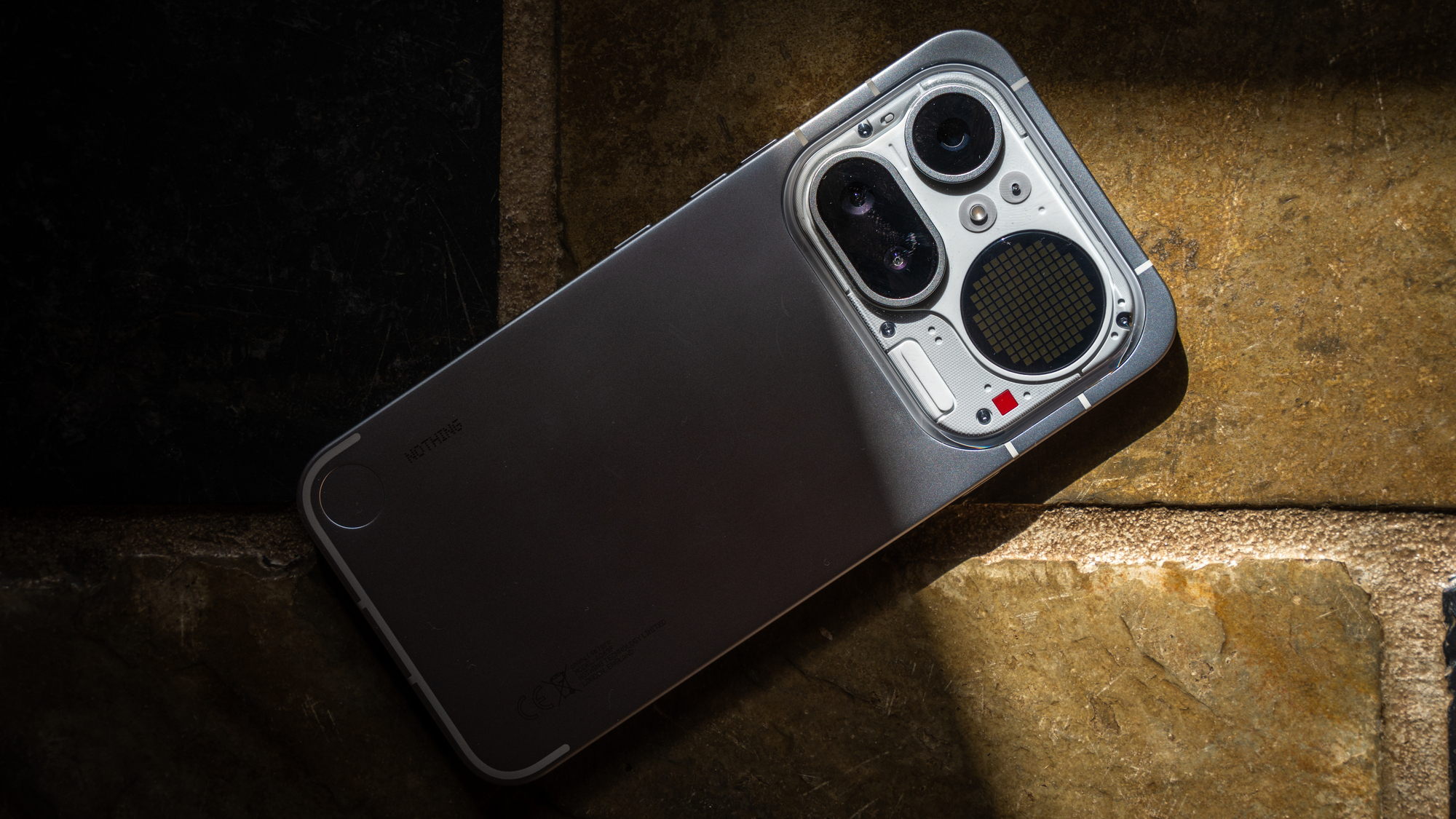
The transparent-metal aesthetic is back, making the Nothing 4(a) Pro a true showstopper. Picture: Noel Campion.
The Nothing Phone 4(a) Pro has a striking transparent‑metal look and a balanced feature set that feels premium yet affordable. Nothing has opted not to release a flagship handset this year. Instead, the brand has doubled down on its more affordable range, delivering solid performance and features wrapped in a distinctively Nothing design.
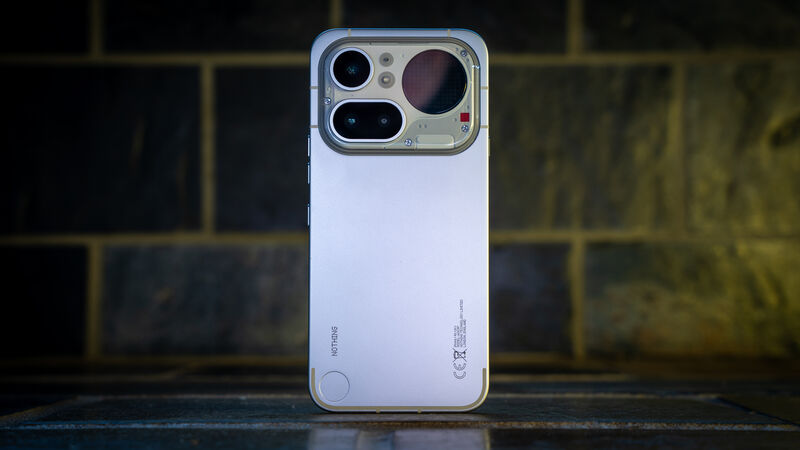
The Phone 4(a) Pro has a glass‑like, transparent‑metal shell. The matte finish on the back is surprisingly smooth, and the phone stays slim at just 7.95 mm. The circular 2‑inch glyph matrix display on the back adds a subtle pop of colour, turning the device into a live notification centre. I love the way the metal frame wraps around the back, giving it a premium feel without adding bulk, and the 210g weight feels substantial in hand.
The phone is IP65 rated, so a quick splash or a spill won’t ruin your day. On the downside, the sheer transparency means fingerprints are a visible nuisance, and the design, while bold, might feel a bit too avant‑garde for users who prefer a more traditional look.
Nothing deserves credit for including both a transparent case and a pre-installed screen protector, and I'd love to see other manufacturers follow suit, especially with flagship models.
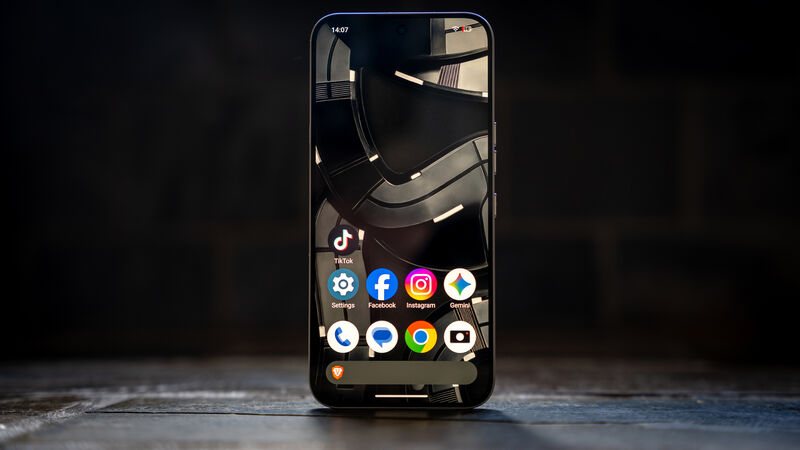
The 6.83‑inch AMOLED panel is excellent, running at 144 Hz and offering silky‑smooth scrolling. The peak brightness hits 5,000 nits, which means it’s easy to read outdoors, and the 10‑bit colour depth delivers subtle gradients without oversaturation. I’m impressed with the colour accuracy, especially compared to some of the cheaper rivals. The lack of native HDR support in certain apps, like Netflix, is a let‑down, but YouTube’s HDR content looks stunning.
The inclusion of a Gorilla Glass 7i front screen means fewer scratches, although the lower‑profile design can make the phone a bit slippery when you’re in a hurry. Overall, it’s a top‑tier display that performs well in every scenario.
The new model has a Glyph Matrix display with 137 mini-LEDs arranged in a circle, 57% larger than previous generations, with a peak brightness of 3,000 nits, making it highly visible in various lighting conditions. It functions as a secondary display for glanceable updates without unlocking the phone, showing caller-specific patterns, timers, battery indicators, and live progress updates for apps like Uber, Zomato, and Maps via Android 16 live activities.
You can also download custom Glyph Toys from the Nothing Playground to display animations, equalisers, or static images. A third-party tool called Glyph Matrix Lab allows for further customisation, including drawing custom images and setting animated call status indicators.
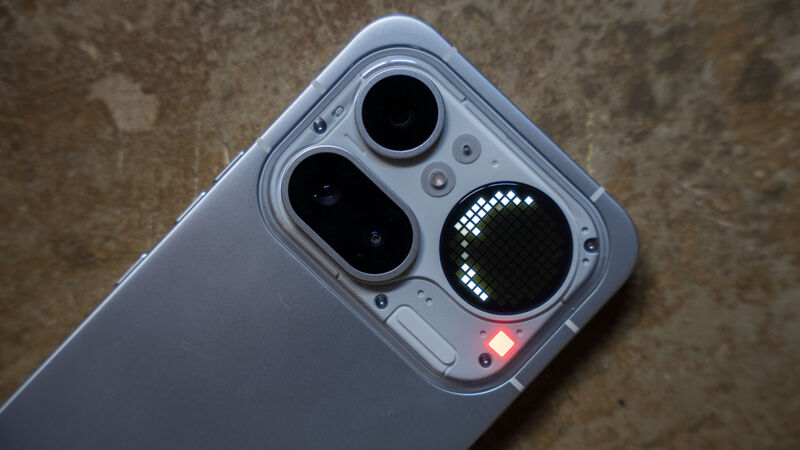
Under the hood, the camera setup feels like a step up from the previous 4a series. The 50MP sensor with OIS produces sharp, detailed images in daylight, and the colours feel natural, especially in portraits. In lower light, it can struggle to capture sharp images due to motion blur.
The 8MP ultrawide works decently, capturing landscapes without too much distortion, but the lower resolution limits any cropping. The 50MP periscope telephoto offers 3.5x optical zoom (up to 140x digital). In practice, 7x shots are excellent, 20x is usable, and 140x is more of a novelty than a practical tool, as it relies far too much on upscaling software to achieve the class-leading zoom capabilities.
The front 32MP camera misses 4K support, which is a disappointment for vloggers. However, the 1080p 60 fps mode still delivers smooth selfies. In low light, the sensor’s noise handling is competent, though the colour fidelity dips slightly.
The Glyphy Matrix display doubles as a rear‑viewfinder for selfies. Although its resolution is low, it’s sufficient for framing a shot, then use the rear camera for a higher‑quality image.
The Phone 4(a) Pro is powered by a Qualcomm Snapdragon 7 Gen 4 processor, a well‑balanced chip that delivers excellent performance and efficiency.
My review unit came with 12GB of LPDDR5X RAM and 256GB of UFS 3.1 storage. The base option has 8GB of RAM and 128GB of RAM. In everyday use, it feels snappy and holds its own against flagship models. But when you push it hard, whether in demanding games or heavy multitasking, its mid‑range performance becomes evident.
I spent several hours running high‑end titles like COD Mobile and Wreckfest. The Snapdragon 7 Gen 4 is efficient, and the 144‑Hz panel delivers a pleasant visual experience. The vapour-chamber cooling design kept the device comfortable. For hardcore gamers, the performance is adequate, but not groundbreaking and newer, more demanding titles will push the phone to its limits. Still, for casual or mid‑tier gaming, the phone offers a satisfying experience at a reasonable price.
Charging the 5,400 mAh battery using a 50W charger brings it to full in just over an hour. In mixed use, the phone comfortably lasts a full day. Heavy gaming or video streaming can dramatically reduce runtime, but the battery still holds its own compared to many mid‑tier rivals. The downside is there’s no wireless charging.
Running Nothing OS 4.1 on top of Android 16, it's one of my favourite Android skins. I love the minimalist UI with minimal bloatware; only Facebook and Instagram are pre‑installed, and even those can be removed.
The glyph matrix integration is unique, allowing customisation of notification icons and sounds, and even the creation of rules for essential alerts. The interactive widgets powered by the Nothing community are a delightful bonus.
Overall, the Nothing Phone 4(a) Pro offers a fresh design, solid performance, and a camera system for the price. While it falls short in 4K front‑camera support and some software quirks, it remains an attractive contender.
€599 (12GB/256GB) Harvey Norman


CONNECT WITH US TODAY



Be the first to know the latest news and updates