Vantrue Pilot 2 first impressions: 4k thermal dash cam with AI safety features
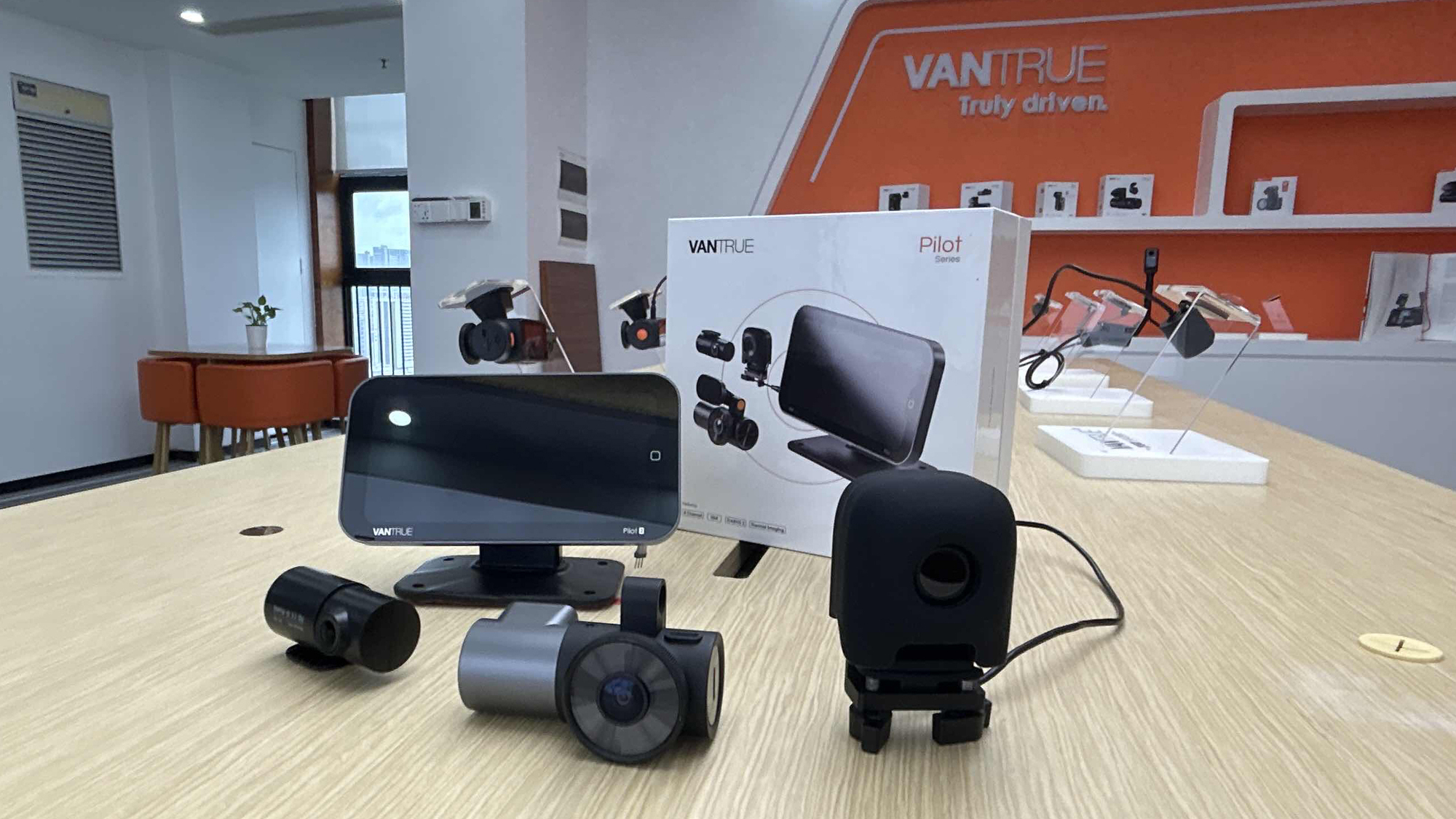
The Vantrue Pilot 2 is a 4K dash cam that adds thermal vision, AI-driven alerts, and multi-camera coverage for clearer, safer driving. Picture: Vantrue.
I’ve spent the past couple of weeks living with the Vantrue Pilot 2, and it’s one of the more unusual bits of in-car tech I’ve tested in a while. This is still a pre-production unit, so a few features are missing or not fully polished, but even in its current state, it gives a clear idea of what Vantrue is aiming for.
Thermal night vision is not something you usually see outside of specialist equipment, and certainly not in a consumer dash cam. After installing the system and taking it out on a mix of rural and urban drives, I can see many benefits, even if this isn’t a dash cam for most people.
At night, especially on unlit country roads, the thermal feed picks up heat signatures well beyond the headlights' range. Pedestrians and animals stand out clearly, even when they’re partly obscured. It doesn’t replace the normal camera view, but it heightens awareness that you simply don’t get from a standard dash cam. There were a couple of moments where I spotted movement on the thermal display before I could properly see anything through the windscreen. I have only used the Pilot 2 for a short period, so I haven’t yet tested its full potential. Its true advantage should become apparent under low‑visibility conditions such as fog, snow or heavy rain. By detecting heat rather than relying on optical sensors, thermal imaging can see through these obstructions.
Installation takes time, and how long it takes will depend on the vehicle, mainly because this is a four-channel setup. You’ve got front-facing optical video, a separate thermal lens that needs to be installed outside the vehicle, plus interior and rear cameras. Running cables is always a bit of a job, but once in place, the system feels solid and well integrated.
The front camera records at 1440p and uses Sony’s Starvis 2 sensor, which performs well in low light on its own. The thermal camera sits alongside it, and the two feeds complement each other rather than competing. During the day, you’ll mostly ignore the thermal view, but at night it becomes the more interesting of the two.
The 6.25-inch touchscreen supports Apple CarPlay and Android Auto. I tested everything on an iPhone using CarPlay, and it worked wirelessly as expected. Android Auto, however, isn’t ready yet on this early sample. In an older vehicle like my motorhome, CarPlay alone is still a useful addition, saving the effort of fitting a new head unit.
There are a few clear signs that this is not final hardware or software. The display on my unit lacks the finished 2.5D glass design that Vantrue says will ship later, and the menu and warning buttons are built into the touchscreen rather than being physical controls.
The app experience is also limited at this stage. You can only view one camera feed at a time, which feels restrictive given the four-channel setup. Vantrue says the final version will allow all four feeds to be viewed simultaneously, which would make a big difference when reviewing footage.
Some of the AI-driven features are also either limited or not yet active, so I couldn’t fully test the promised early warning system for hazards or driver fatigue. It’s clear where Vantrue is going with it, but I’d want to see how reliable those features are before relying on them day to day.
Storage and connectivity are otherwise well covered. There’s support for up to 1TB of storage and Wi-Fi 6 for faster transfers, which makes pulling footage to your phone less of a chore. In practice, it worked as expected during my testing, though this may improve further by the time the final version ships.
After a couple of weeks, my overall impression is that the Pilot 2 is ambitious. Thermal imaging is a unique feature that really adds value, particularly for drivers who spend time on dark or poorly lit roads and those who drive for a living. If Vantrue can iron out the software limitations and deliver the missing features, this could stand out in a crowded market.
Kickstarter launched 22 April – early‑bird €427 (RRP €685); shipments due June 2026. Kickstarter
CONNECT WITH US TODAY



Be the first to know the latest news and updates