Waterdrop X12 review: Fast tankless reverse osmosis filter with great taste, smart features and easy tap access
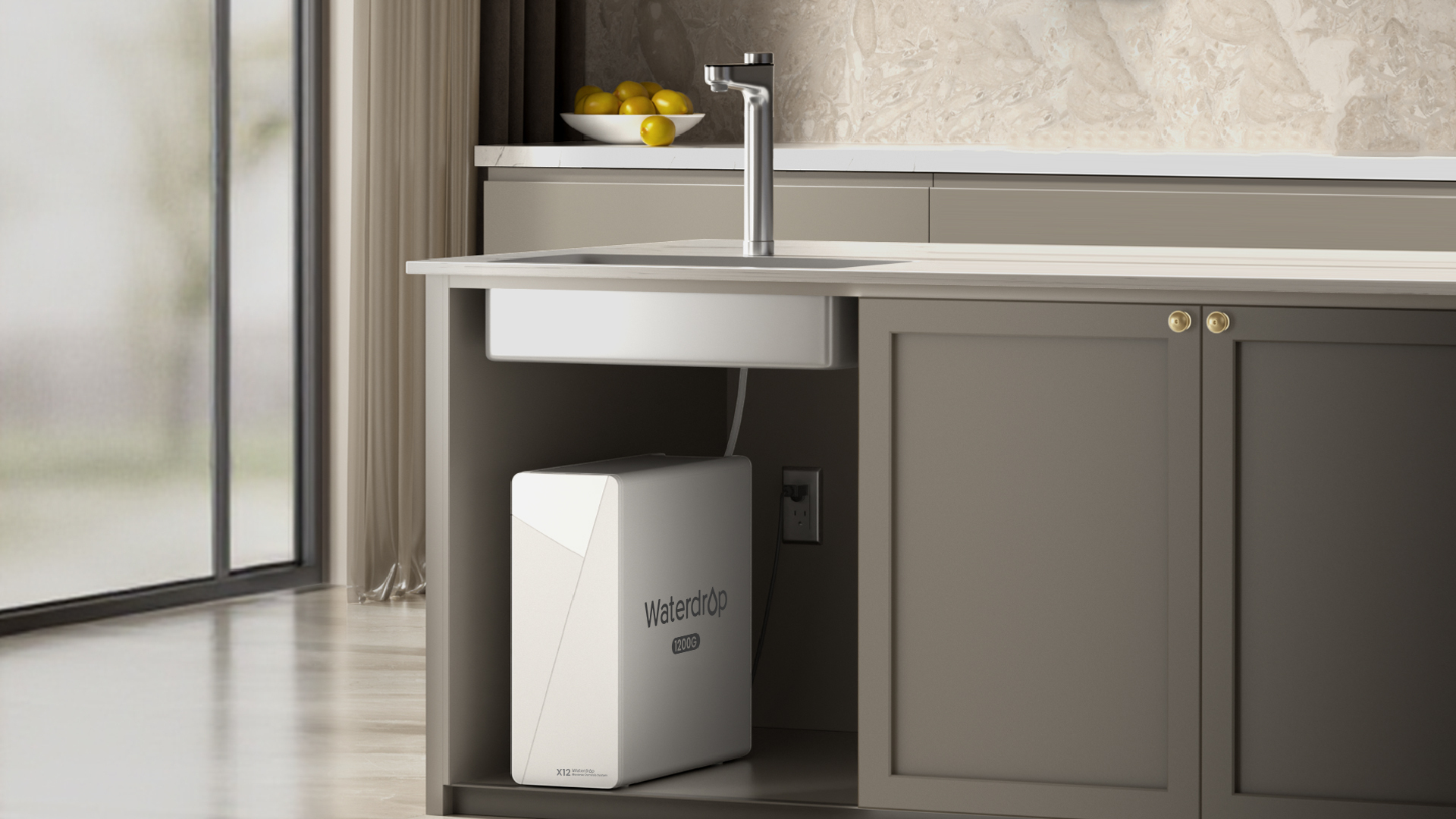
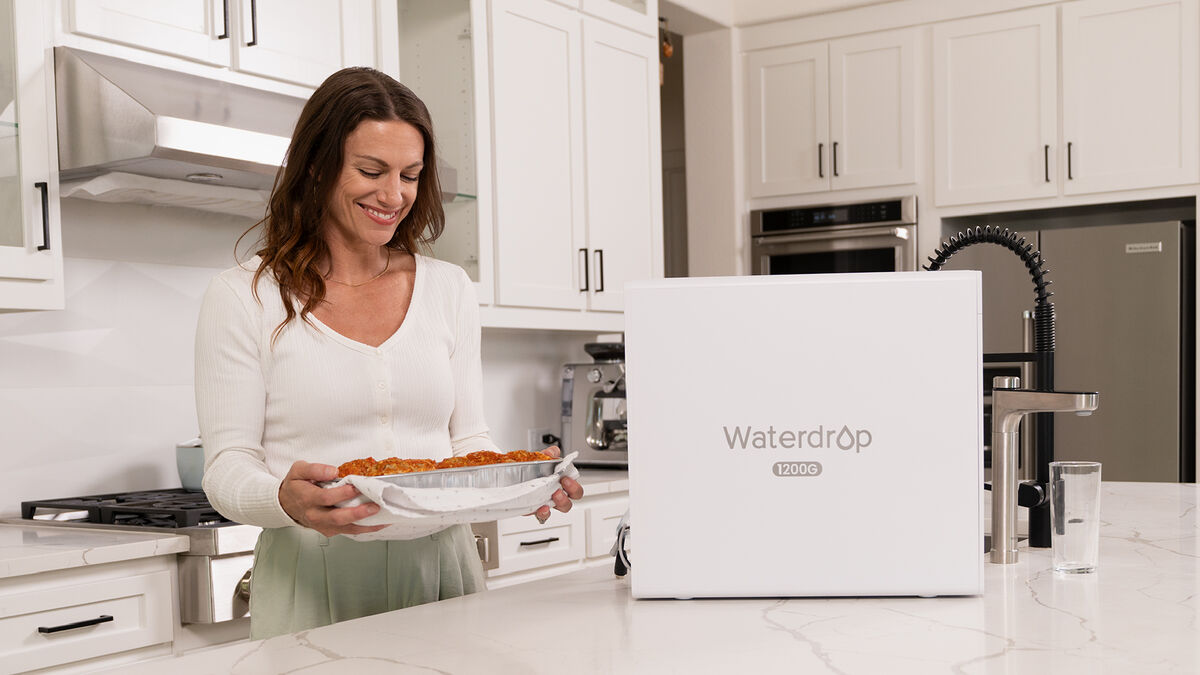
Sleek, smart and seriously fast filtered water on demand. Picture: Waterdrop.
Can a tankless system replace a long-standing favourite? After seven years with my Berkey gravity filter, I put the new Waterdrop X12 to the test. Offering superior filtration and a rapid flow rate, this reverse osmosis system is easy to install yourself, providing the ultimate convenience: perfectly filtered water, straight from the tap.
The X12 is designed to fit under your sink. Compared to bulky, older reverse osmosis setups, the X12 is compact. The tap has a very sleek, high-end aesthetic that looks great in a modern kitchen. It’s not just a pretty face, though, as it features an integrated TDS (Total Dissolved Solids) display, a brilliant touch for anyone who likes to monitor their water quality in real time. There is also a built-in indicator for filter changes, eliminating the guesswork from maintenance. You aren't left wondering if you're still getting clean water; the system tells you exactly when it’s time to spend some money on replacements.
I don't believe the marketing 100% when they say you can install this yourself in 30 minutes. While that might be true for a professional or someone with a very empty, easy-to-access cupboard, it wasn't my experience.
I already have an instant hot water system installed under my sink, so there was absolutely no room for the X12 unit in the main cupboard. This meant I had to get creative. I ended up installing the unit in a corner cabinet and routing the hoses behind my other cabinets, which eventually required drilling a 25mm hole through my worktop to mount the tap. It turned a 30-minute job into a several-hour one. It wasn't incredibly difficult, but it took planning, the right tools, and time.
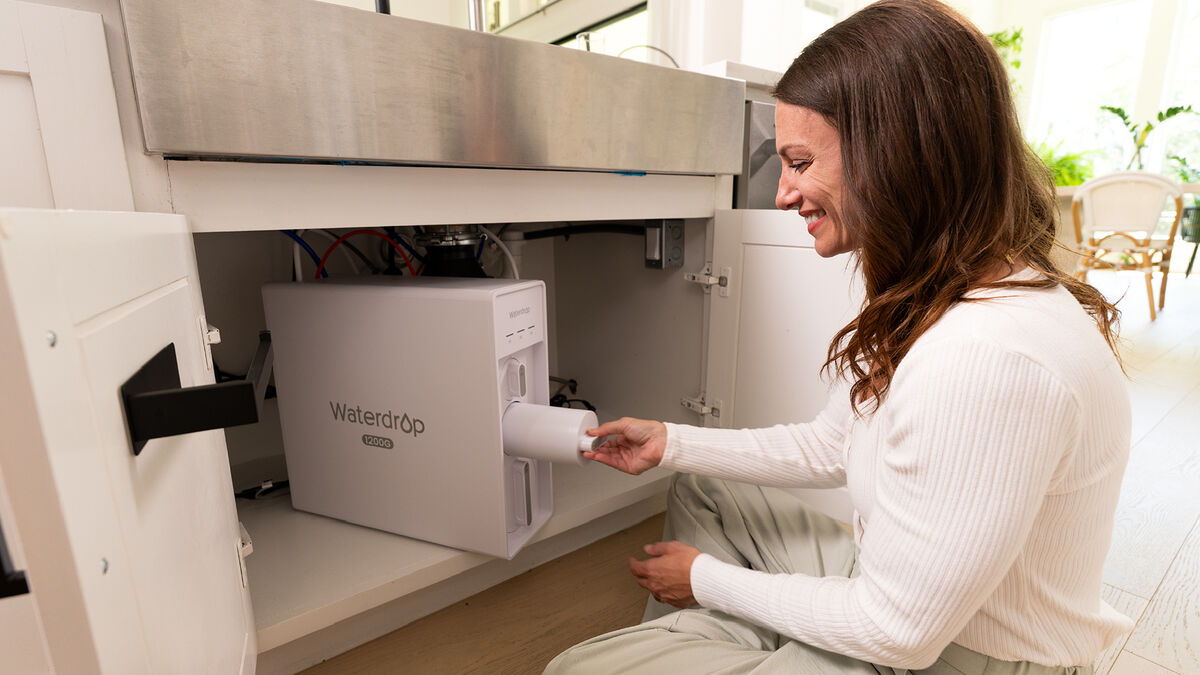
The X12 uses an 11-stage filtration process, which sounds quite fancy. You have the standard sediment and carbon pre-filters, followed by the reverse osmosis membrane, and finally, a re-mineralisation stage. There is even a UV light built into the tap to kill off any potential bacteria. I’m a bit sceptical about the UV light for anyone on standard mains water. If you're on treated tap water, the bacteria are likely already gone, making the UV stage feel a bit redundant. However, it doesn't hurt, and since the light only turns on when needed, it won't impact your electricity bill.
Regarding water purity, during my testing, I observed a TDS reduction of about 84%. The system deliberately re‑adds healthy minerals, which naturally raises the TDS reading. This is not a filtration failure but a deliberate feature designed to enhance water quality by replenishing essential minerals.
The speed of this system is very impressive. I managed to fill a standard cup (400ml) in just 6 seconds. That’s not as fast as a normal tap, but it’s far from slow. Thanks to a built-in booster pump, you don't have to worry about low home water pressure because the system maintains a very consistent, powerful flow.
I didn't just take the tap's built-in display at face value, though. I used my own dedicated TDS meter to cross-reference the results. My tap water fluctuates anywhere between 80 and 150 TDS, but with the X12, the reading stayed incredibly consistent, never straying from 14–16 TDS. That is a massive, measurable drop in dissolved solids, proving the membrane is doing its job perfectly.
The X12 is incredibly efficient, using only about 0.5 litres of wastewater per litre of purified water. But that doesn't include the automatic flushing cycle. To prevent TDS creep, where minerals build up on the membrane during periods of non-use, the system flushes itself.
This flush uses about 1.4 litres of water per cycle. If you use the system constantly, the waste is negligible. If the extra waste bothers you, you can actually disable this feature by pressing the F1 icon five times, though you might notice the TDS levels rise slightly after the system has been idle for a few hours.
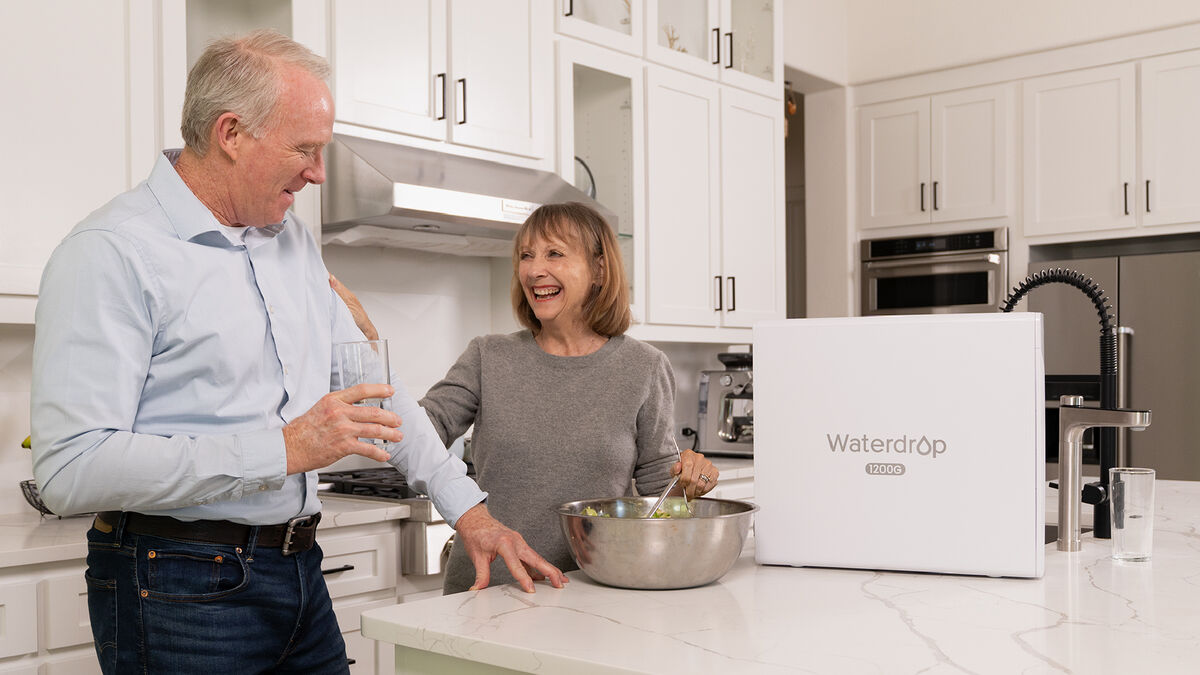
If there is one killer feature of this system, it is the taste. The biggest, most immediate difference between my tap water and the X12 filtered water is the flavour. You can easily smell and taste the chlorine in my tap water. It has that harsh, chemical edge. With the X12, the smell and taste are completely gone. It is important to note that these results are based on the water quality of the Cork City network. Consequently, the system's performance may vary significantly depending on local water supply conditions in other regions.
To rule out the placebo effect, I did a blind taste test. Even without knowing which sample was which, the consensus was that the filtered water was noticeably cleaner and smoother. This difference is palpable not just when drinking it straight, but also when using it in hot drinks like tea and coffee.
You can dial in a specific amount of water, anything from about 200ml to 2 litres, and the system will dispense exactly that. It even remembers your last setting. If you set it to 999, it will keep pouring until you press the tap.
The Waterdrop X12 represents a significant initial investment, with a current retail price of €1,269. However, potential buyers must also factor in the ongoing maintenance of its three-stage filtration system. The pre-sediment and carbon block filters cost €35.50 and require replacement every six months; the carbon and alkaline mineral filter costs €40 for a 12-month lifespan; and the reverse osmosis membrane, costing €185, needs to be replaced every two years. Although I have not yet used the system long enough to personally verify these replacement schedules, the frequency of filter changes will naturally fluctuate based on daily water consumption.
The Waterdrop X12 is an excellent, high-capacity addition to any modern kitchen. Although the initial investment is high and the flushing process does involve some water waste, its sleek design and rapid flow rate make it incredibly efficient. It is a highly practical choice for any household where a consistent, high-volume supply of filtered water is essential for daily cooking and drinking.
€1,099 (RRP €1,299) Waterdrop
CONNECT WITH US TODAY



Be the first to know the latest news and updates