Sennheiser HDB 630 wireless headphones review: Superb sound quality, adaptive ANC and all-day battery life
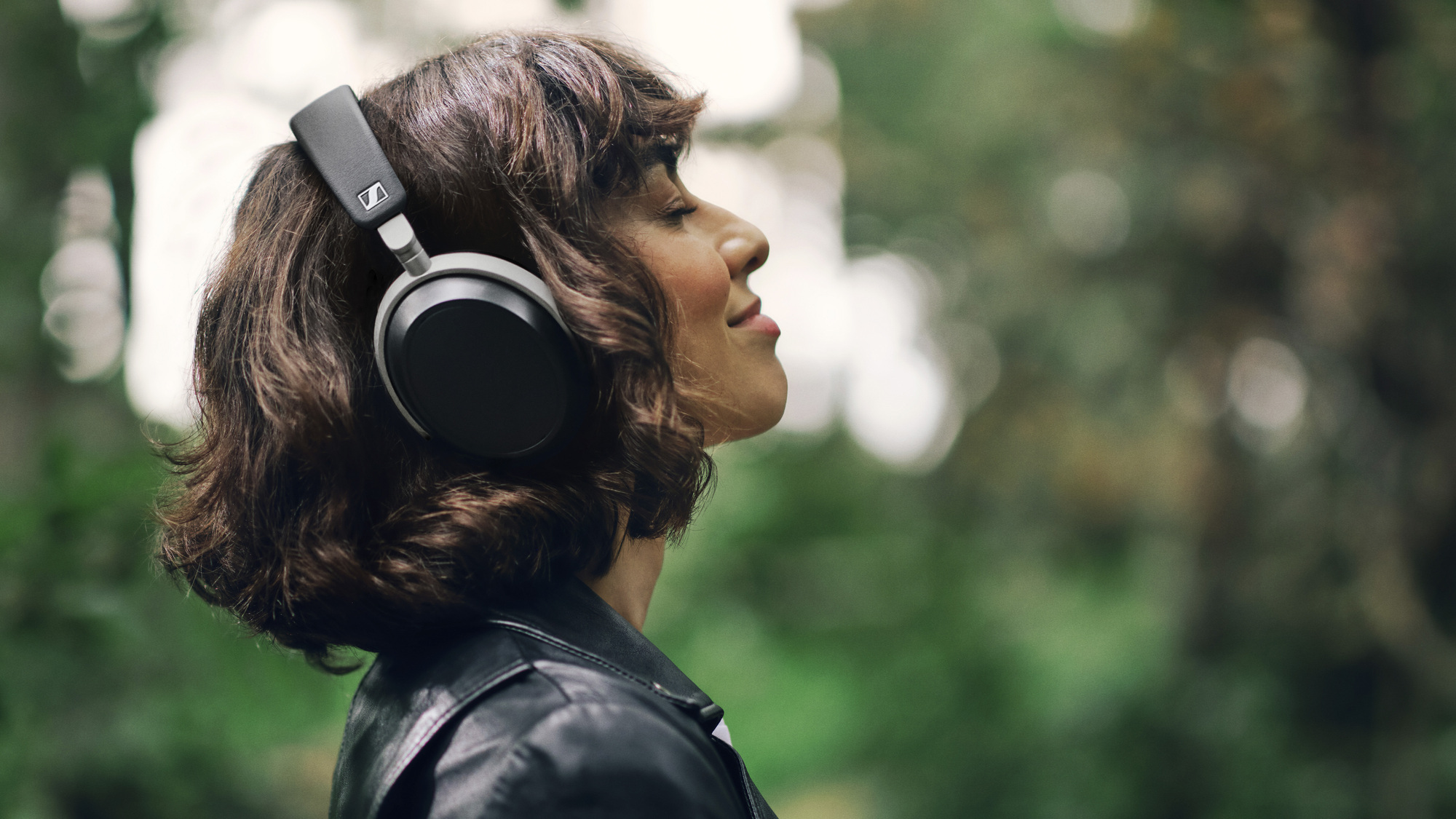
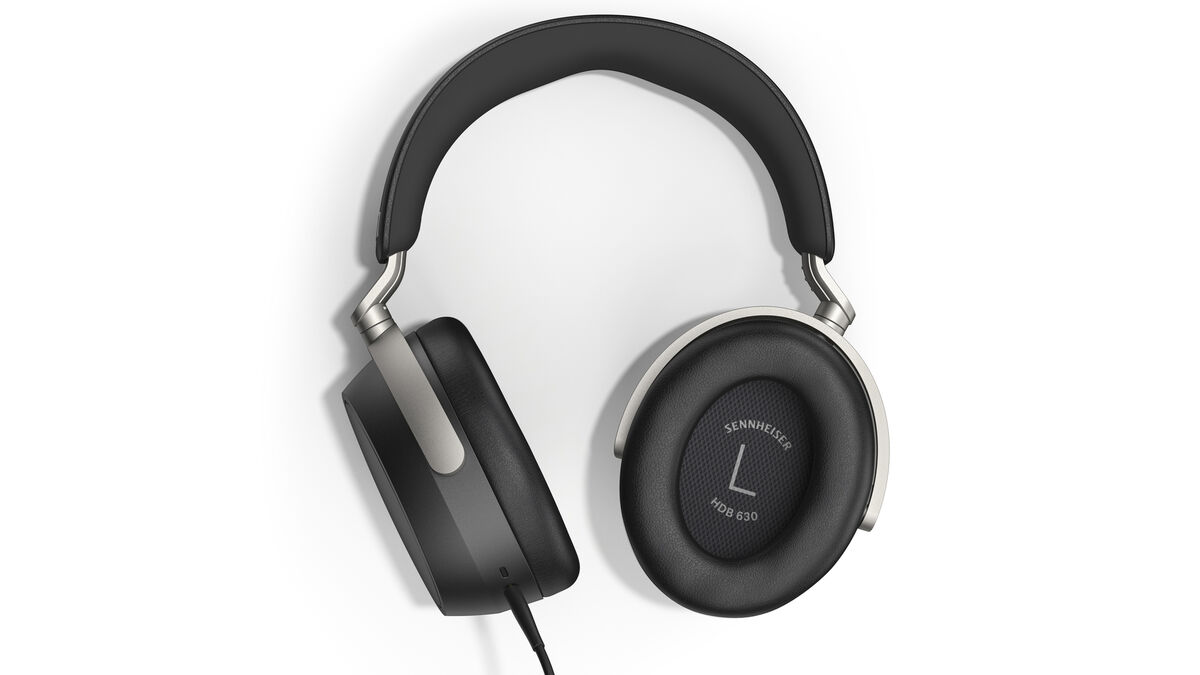
The Sennheiser HDB 630 features adaptive active noise cancellation that adjusts automatically to surrounding sound levels. Picture: Sennheiser.
Over the past month, these have been my constant travel companion, desk partner and late-night listening indulgence. They offer balanced tuning and a depth of customisation that will appeal to both audio purists and tech aficionados alike.
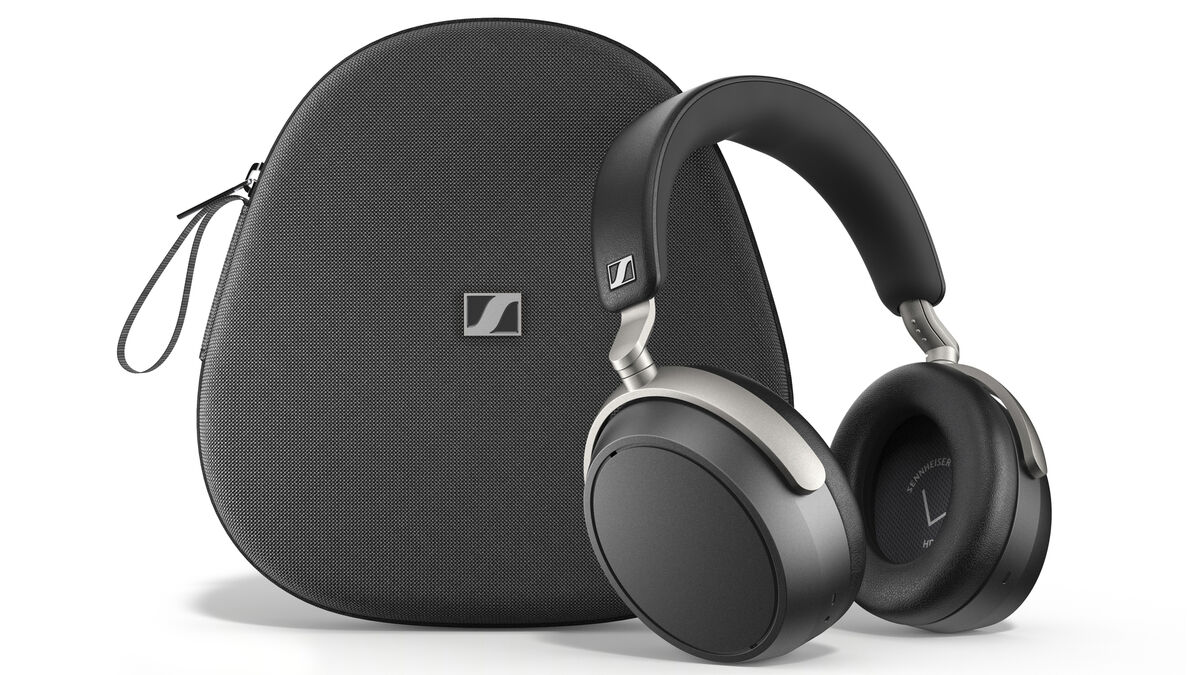
The HD 630 has a clean, modern design, with matte silver 180-degree swivelling earcup yokes and protein leather covering the headband. Despite the mostly plastic construction, they feel well-built and more premium than the likes of the Sony WH-1000XM6.
The earcups are nice and deep and large enough to comfortably fit my medium-sized ears. A nice detail on the inside of the earcups is the printed text ‘L, Sennheiser HDB 630’ and ‘R, 42mm Dynamic Driver from Ireland’. I also like the three dots on the left yoke, which make it easy to tell the left and right sides apart just by touch.
At 311 grams without cable, they are not lightweight, yet they never felt cumbersome.
The included carrying case is sturdy and offers excellent protection, although it’s not the most compact. It offers proper structure around the earcups and headband, which gives me peace of mind when tossing them into a backpack.
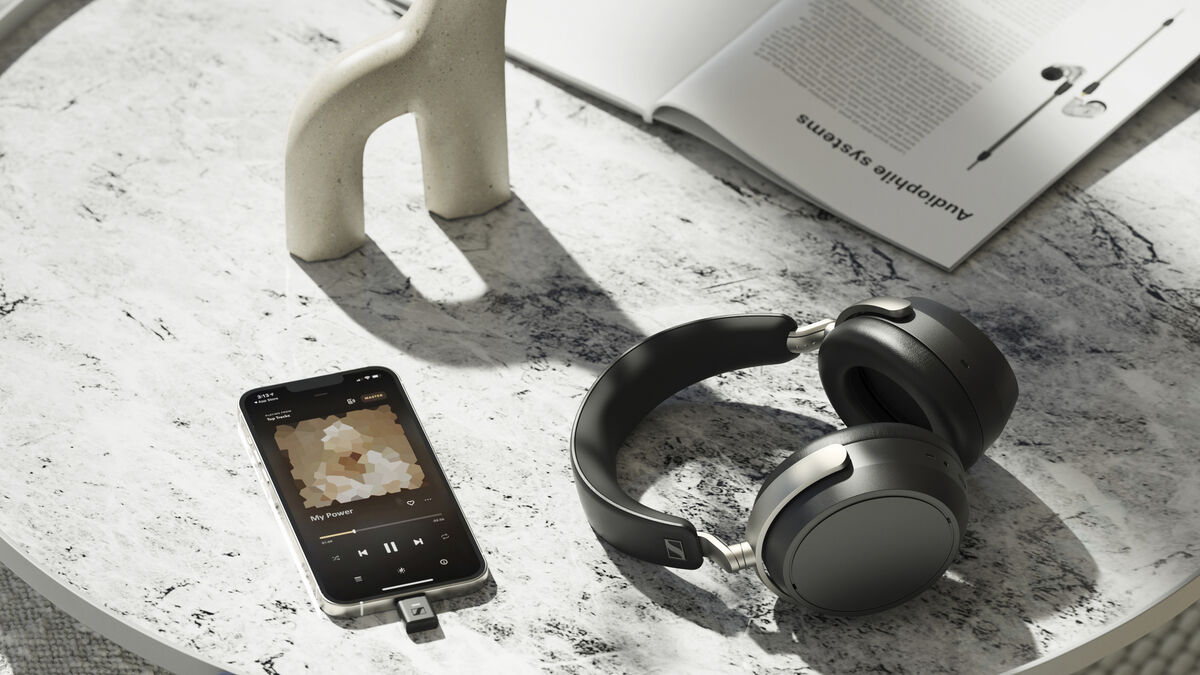
You get a 1.2m USB-C for digital audio and charging, a 3.5mm cable for analogue input, and the BTD 700 USB-C dongle for wireless use. Everything fits neatly in the case, thanks to the well-laid-out pockets. Sennheiser also includes a legacy aeroplane adaptor, which is ideal for long-haul flights.
Adaptive active noise cancellation works intelligently, adjusting to ambient noise while preserving tonal balance. In busy cafés and on public transport, background chatter melted away without the hollow or pressurised sensation some systems introduce. While the ANC isn’t class-leading, which might disappoint some, I found it more than good enough for most scenarios.
Transparency mode is adjustable in strength, which I appreciated when I wanted just a touch of environmental awareness rather than a full pass-through effect. Wind reduction mode automatically tempers microphone sensitivity outdoors, though on particularly blustery days, I could still hear the wind creep in.
The Smart Control + app is excellent, especially for those who want extensive control over sound signature customisation. It offers a parametric equaliser with undo and redo functionality, allowing detailed sound shaping. I had a lot of fun experimenting with crossfeed and tweaking frequency curves, comparing profiles. Crossfeed is a headphone processing technique that mixes a small, delayed, and slightly filtered portion of the left channel into the right ear and a small, delayed, and slightly filtered portion of the right channel into the left ear. It’s meant to mimic how sound naturally reaches both ears when you’re listening to speakers in a room. The goal is to soften that typical “inside your head” feeling headphones can create and make the soundstage feel more like you’re listening to speakers in front of you. Songs that benefit significantly from crossfeed are typically those recorded with wide stereo imaging for loudspeakers, where instruments or vocals are heavily panned to the left or right.
The BTD 700 dongle adds low-latency wireless performance. While I did not find a dramatic difference in pure sound quality between connection methods, the reduced lag was noticeable when watching video content. For iPhone users, the BTD 700 lets you get a much higher-quality wireless audio stream.
Under the hood, the HDB 630 features 42 mm moving-coil drivers in a closed-back acoustic design. Frequency response stretches from 6 Hz to 40 kHz when using USB-C, line-in or aptX Adaptive, and up to 22 kHz in standard wireless modes.
They support Bluetooth 5.2 and codecs including aptX Adaptive, aptX HD, aptX, AAC and SBC. Adaptive ANC is onboard, and the battery is rated for up to 60 hours with noise cancellation enabled. Charging takes roughly two hours from empty, with quick charging delivering several hours of playback in minutes.
Impedance is rated at 480ohms in active mode, with a maximum sound pressure level of 105dB at 1kHz. Total harmonic distortion sits below 0.2 per cent at 100 dB SPL, reflecting the technical precision underpinning their sound.

I’m not an audiophile, but to my ears the HDB 630 are among the best wireless closed-back headphones I’ve tested. Their tuning is strikingly balanced. Bass is present, controlled and quick. It reaches deep without bloom or muddiness.
The midrange reproduces vocals that sound natural, forward and richly detailed. Acoustic instruments have texture and body. When I listened to acoustic live recordings, I could pick out subtle breaths and string resonance that lesser headphones often muddy.
Treble is crisp but smooth. There are no harsh peaks or sibilant edges that induce fatigue. Over long listening sessions, this matters enormously.
The soundstage is impressively wide for a closed-back design. Imaging is precise, allowing instruments to occupy distinct spaces rather than collapsing into a wall of sound. The overall presentation is immersive yet relaxed, energetic yet composed.
If you prefer a bit more colour than a balanced sound, the parametric EQ lets you make small adjustments without losing what makes the headphones sound the way they do. Even with some tweaking, though, the HDB 630 still hold on to their underlying neutral character.
The Sennheiser HDB 630 deliver beautifully balanced sound, superb battery life and deep customisation in a refined over-ear package. Expensive, yes, but for listeners who value clarity and control, they are deeply satisfying companions.
€500 hifihut.ie

CONNECT WITH US TODAY



Be the first to know the latest news and updates