Gas demand drops in September as wind generation increases
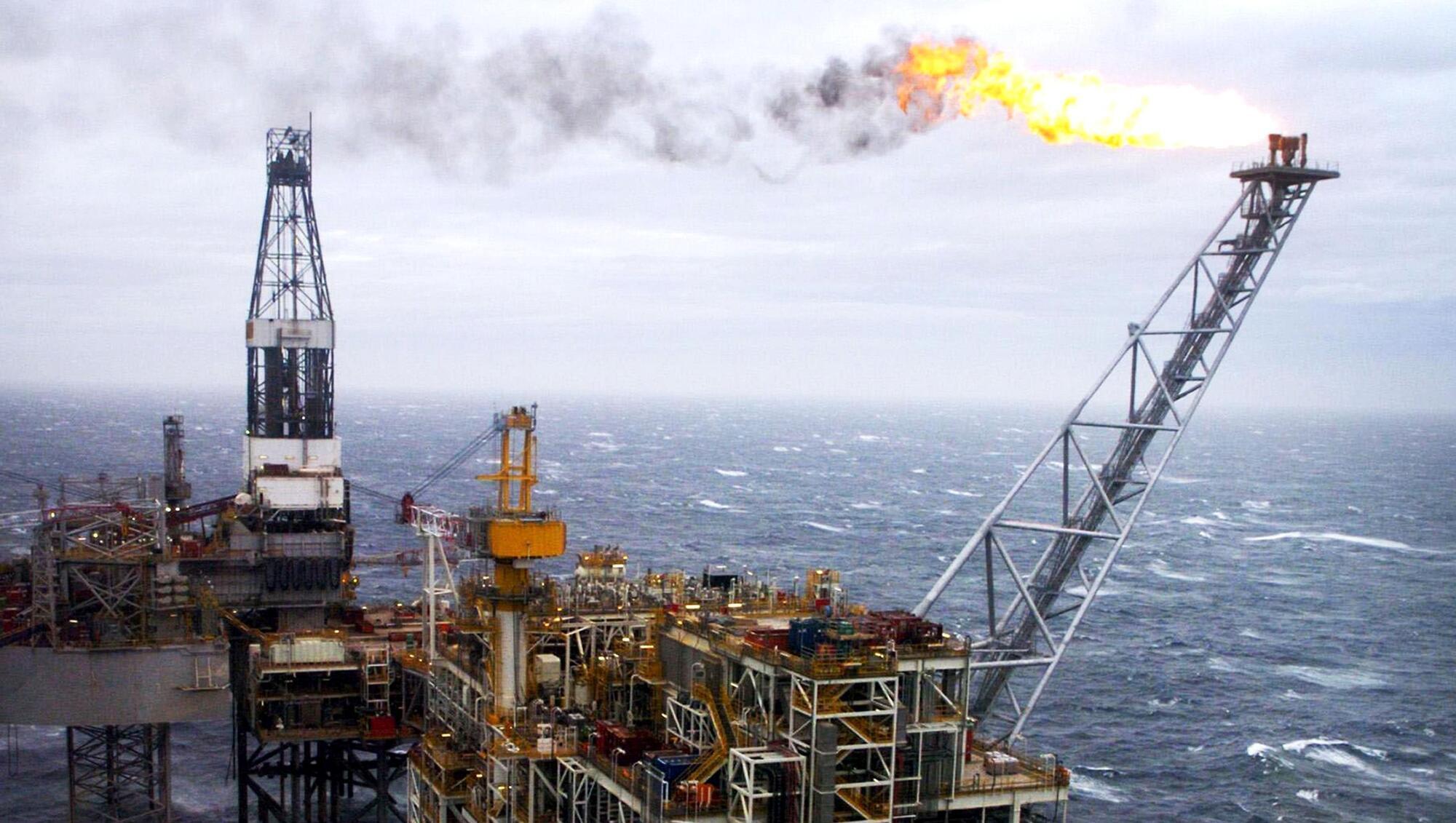
More than 720,000 homes and businesses use natural gas, which meets about 30% of the country’s total energy needs.
Demand for natural gas in Ireland fell in September as wind generation jumped.
Data from Gas Networks Ireland shows a 10% month-on-month decline in demand, along with a 3% drop when compared with September of last year.
The drop came despite a rise in demand in certain sectors as the country moved out of the summer period and into the cooler months.
Month-on-month, gas demand from the education sector rose by 89% as schools and colleges returned, while demand from leisure and sports arenas as well as office complexes all increased by 23%.
However, gas-fired electricity generation accounts for a significant amount of natural gas usage. In September, it accounted for 36% of overall demand, down from 44% in August. Wind generation increased to 35% of the electricity mix, up from 18% in August, while solar accounted for 5%, compared with 8% in August.
Gas Networks Ireland’s director of strategy and regulation Edwina Nyhan said: “September marks the transition from the summer months into autumn and we typically see gas demand begin to increase across several sectors as the requirement for heating grows.
"While overall gas demand was down in September, largely due to lower demand from gas-fired electricity generation, we saw increases across a number of sectors as demand began to follow its normal seasonal pattern.”
Demand for compressed natural gas (CNG) increased by 12% year-on-year since September 2025, continuing to reflect the growing use of CNG as a lower-carbon alternative to diesel for heavy goods vehicles and commercial transport.
More than 720,000 homes and businesses use natural gas, which meets about 30% of the country’s total energy needs and generates more than 40% of Ireland’s electricity.
Cooler weather forecasts for much of Europe saw gas prices across the continent rise to their highest since late 2022. The markets are also losing faith in a timely resumption of regular liquefied natural gas shipping in the Strait of Hormuz disrupted by the US-Iran war.
The combination of ship attacks in Hormuz and extremely low storage levels in Europe continues to weigh on the market, while weather forecasts have also turned colder over the weekend, analysts at Mind Energy said.
October has been the worst month for attacks on commercial shipping in the Strait of Hormuz and nearby waterways, according to maritime security incident tracking data.

CONNECT WITH US TODAY



Be the first to know the latest news and updates