State's watchdog criticises Budget 2027 'risky' spending strategy

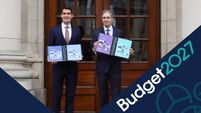
Finance Minister Simon Harris speaks to the media outside Leinster House, Dublin, following the announcement of Budget 2027. Picture date: Tuesday October 6, 2026. PA Photo. Photo credit should read: Clodagh Kilcoyne/PA Wire
The State's budgetary watchdog, the Irish Fiscal Advisory Council, has warned that Budget 2027 has put Ireland's public finances on a worse trajectory by breaking established spending limits and increasingly relying on high-risk corporation tax.
The Fiscal Council is the independent statutory body that acts as Ireland’s budgetary watchdog and is responsible for providing an independent assessment of how the Government is managing the economy.
Read More
In its flash reaction to Wednesday's Budget, the council was highly critical of the measures announced by Tánaiste and finance minister Simon Harris and public expenditure minister Jack Chambers. It said that with the economy continuing to perform "remarkably well", the Government should normally show restraint and hold fire until the next downturn. "But the current Government is attempting to raise spending in many areas, limit tax burdens, tackle cost-of-living challenges, and address infrastructure gaps all at once, rather than choosing between them."
It warned reliance on corporation tax was a risky strategy. "The Government continues to use high-risk receipts to fund permanent tax and spending measures. It plans to spend about six-in-seven euros of all corporation tax revenues it takes in. Most of it is for current spending. Stripping out the excess corporation tax, the parts that look riskiest, the Government plans to run larger deficits, rising from €12bn in 2026 to €20bn in 2030. The Government will effectively have to borrow to put money into its long-term savings funds for ageing costs from next year," the council warned.
It said that saving more of these "risky receipts" would make the tax base more secure. "It would ensure it covers future ageing pressures and weathers the next recession without the need for painful cutbacks or sharp tax increases."
It also said that spending increases net of tax measures have run at a "blistering pace". "A sustainable speed limit of 5% for both was set in 2021. But governments have since budgeted for around 6% growth , before actually delivering about 10% a year on average, double the speed limit. Today’s figures suggest an increase of almost 9% in 2026 if overruns continue at their current pace."
The council said most of the Budget 2027 package is focused on current spending. "With record numbers already in work, the ambition to do more in many areas risks pushing up costs rather than delivering more services or infrastructure.
"Overspends look likely to happen again next year. The Department of Health could overspend by almost €1bn this year in current spending, meaning its ceiling would rise by €0.7bn next year. There is also no allocation of the Christmas bonus. The rate of expansion has meant that more and more of the extraordinary corporation tax the State is collecting is spent rather than saved."
"Ireland’s Government debt is now set to rise by more than €35bn by 2030. All the while, the annual interest bill is forecast to more than double, reaching €6.4bn by 2030. The Government should be saving more, making its tax base more secure, and avoiding aimless drift. It should stick to some rule on how fast it cuts taxes and increases spending. This would help ensure it can support people’s jobs in the next recession and avoid a disastrous repeat of the cutbacks in areas like housing that happened after the last crisis."


CONNECT WITH US TODAY



Be the first to know the latest news and updates