Central Bank governor Makhlouf says ECB will make 'live' decision on interest-rate hike
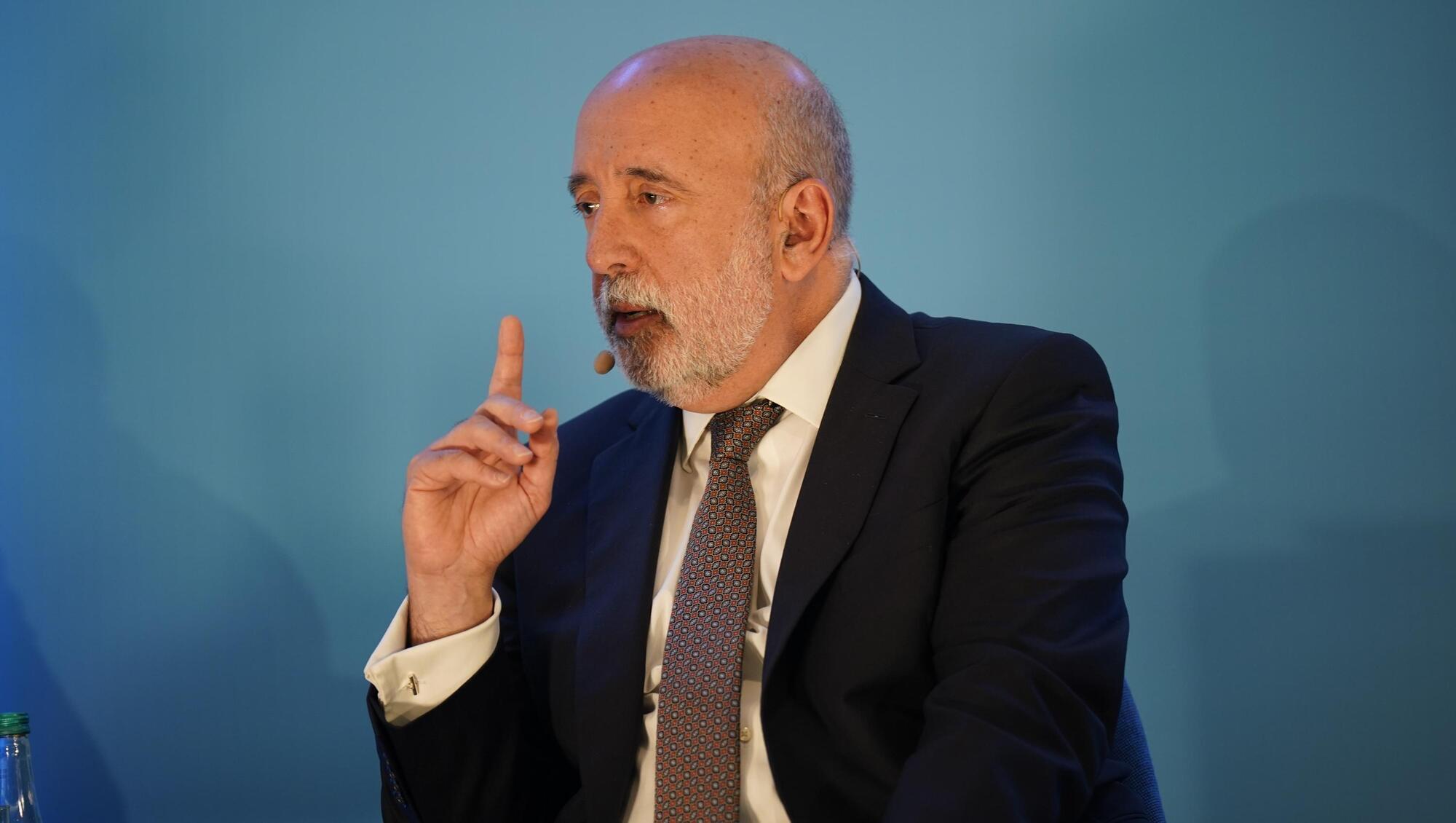
Central Bank of Ireland governor Gabriel Makhlouf declined to rule out an ECB interest-rate hike in October if circumstances require it. Picture: PA
Central Bank governor and European Central Bank Governing Council member Gabriel Makhlouf declined to rule out an interest-rate hike in October if circumstances require it.
Mr Makhlouf told Bloomberg Television on Thursday that while there’s currently no worrying sign of inflation spreading into wages, officials will take each decision on borrowing costs as it comes.
“At a time of uncertainty, every meeting is a live meeting for the European Central Bank,” Mr Makhlouf said when asked if that was the case for the next one on October 29. “You can’t rule out anything that might happen in future meetings, nor can you rule them in.”
Read More
The governor spoke in the wake of the US Federal Reserve’s rate hike on Wednesday, and at a time when markets are undecided on whether the ECB itself will follow up with a consecutive move so soon after its increase last week.
Mr Makhlouf declined to offer a view on bets by investors who are pricing at least three more quarter-point hikes over the next 12 months.
“Markets understand that we’re committed to delivering on our 2% inflation target, and at the moment the numbers aren’t as strong as we want them to be,” he said. “I’m not in the business of saying whether markets are right or wrong.” In the wake of this month’s decision, policymakers viewed another step possible as soon as October, according to people familiar with the matter. With the next quarterly forecasts due in December, economists tend to view that meeting as the more likely moment to act.
Mr Makhlouf, speaking before a gathering of European finance ministers and central bankers in Dublin, expressed a tone of vigilance given the international backdrop. With oil and natural gas prices continuing to soar, euro-area inflation is poised to quicken past its current level of 3.3%, even further from the ECB’s 2% target.
“At the moment, we’re certainly not seeing signs of concerning second-round effects but it’s pretty clear that the shock, the energy shock that started with the war in Iran isn’t going away,” he said. “The risks to inflation remain on the upside.” The ECB’s most recent hike brought its deposit rate to 2.5%. Asked whether a further move would shift the stance of borrowing costs into restrictive territory, Mr Makhlouf wouldn’t speculate.
“Where we are now remains within the neutral band,” he said. “There’s theory of neutral rates, but then there’s also the judgments that we have to exercise in making our monetary policy decision. So I’m not really going to go into, ‘is there a defining moment on whether we’re restrictive or not?’”
Bloomberg

CONNECT WITH US TODAY



Be the first to know the latest news and updates