'Traditional parent-child model does not reflect reality': calls for inheritance tax reforms grow ahead of budget
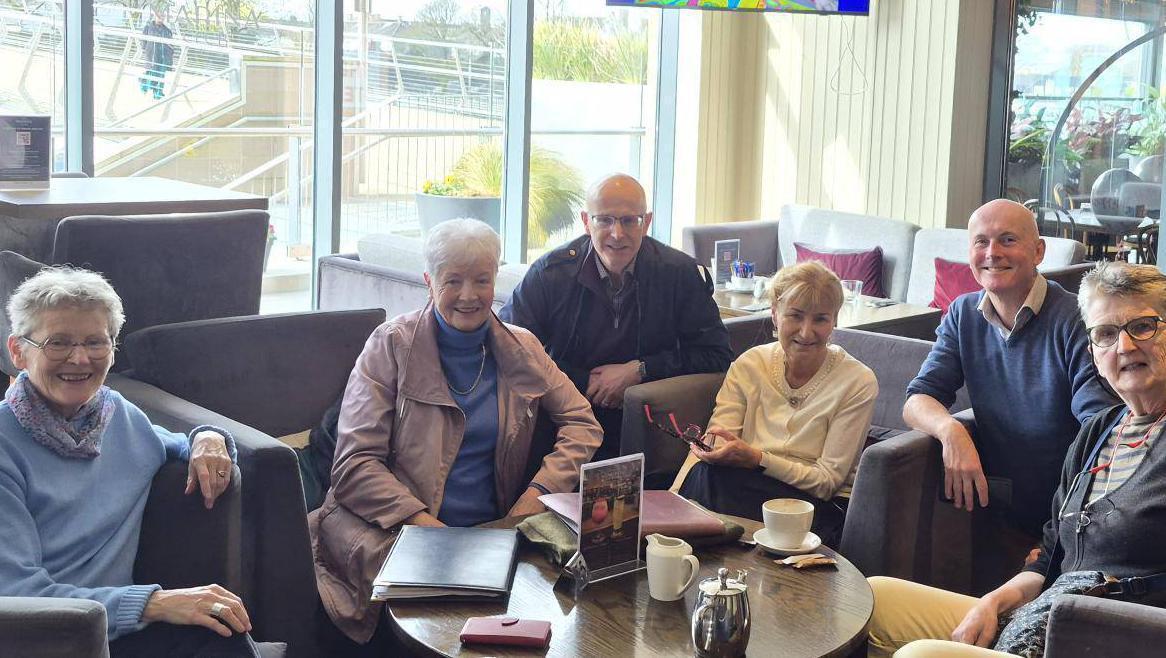
End Discrimination in Inheritance Tax (Edit) members Deirdre Quinn, Maureen Madigan, James Sexton, Jean Cashman, Kieran Sexton, and Brigid Timmons. Edit has called for an index-linked lifetime tax-free threshold to replace the existing inheritance tax structure
More than half of Capital Acquisitions Tax (CAT) collected in Ireland last year came from beneficiaries with the lowest tax-free entitlements, according to figures from Revenue.
Revenue collected €1.12bn in CAT receipts during 2025, equivalent to approximately 1% of total net Exchequer tax receipts.
Under existing rules, Capital Acquisitions Tax is payable at 33% above certain thresholds. The threshold for parent to child (Group A) is €400,000 but the threshold to siblings, nieces and nephews, and grandchildren (Group B) is €40,000. For all others – including close friends, unmarried partners, carers (Group C) - the threshold is €20,000.
Read More
Grant Thornton private client partner Julia Considine said 59% of CAT collected in 2025 - €570m - came from people within Groups B and C. "The starting point though should be whether the system is fair. When more than half of the tax collected is coming from beneficiaries entitled to thresholds of €40,000 or less, there is a strong argument that the current framework should be reformed."
Grant Thornton has recommended the introduction of a nominated beneficiary allowance in the budget, which could serve as a targeted relief designed to recognise modern family and support relationships. Grant Thornton said this would provide limited recognition for one significant relationship "where the traditional parent-child model does not reflect reality".
“The issue has become more striking as residential property values have increased. Someone can inherit what may be a relatively ordinary family home but, depending on their relationship to the person leaving that behind in their will, only a small fraction of its value may fall within their tax-free threshold," said Ms Considine.
“This is particularly relevant for people who do not have children and may naturally wish to leave their home or other assets to a sibling, niece, nephew or long-term partner. The current system can place those beneficiaries at a considerable disadvantage simply because their family circumstances do not fit within the traditional parent-to-child model that the most generous CAT threshold is based on.”
Campaigners for reform of the inheritance tax system say the current system leaves 1m childless citizens “at the bottom rung of the tax ladder”. The campaign by End Discrimination in Inheritance Tax (Edit) has called for an index-linked lifetime tax-free threshold to replace the existing inheritance tax structure, which they view as discriminatory against childless citizens.
“The introduction of an index-linked lifetime tax free threshold of €460,000 for every citizen will remove the inequality and the discrimination faced by the families and loved ones of childless citizens,” said James Sexton of Edit. Mr Sexton from Model Farm Road in Cork said Edit has costed the proposal and estimates that it would cost €500m to bring citizens in Group B and Group C into a new single threshold.
Edit have suggested reforms could be brought in over two budgets. Edit held meetings with Taoiseach Micheál Martin and Tánaiste Simon Harris in July to make their case.
CONNECT WITH US TODAY



Be the first to know the latest news and updates