The future of Irish grocery: Private labels, AI, and the brand within a brand
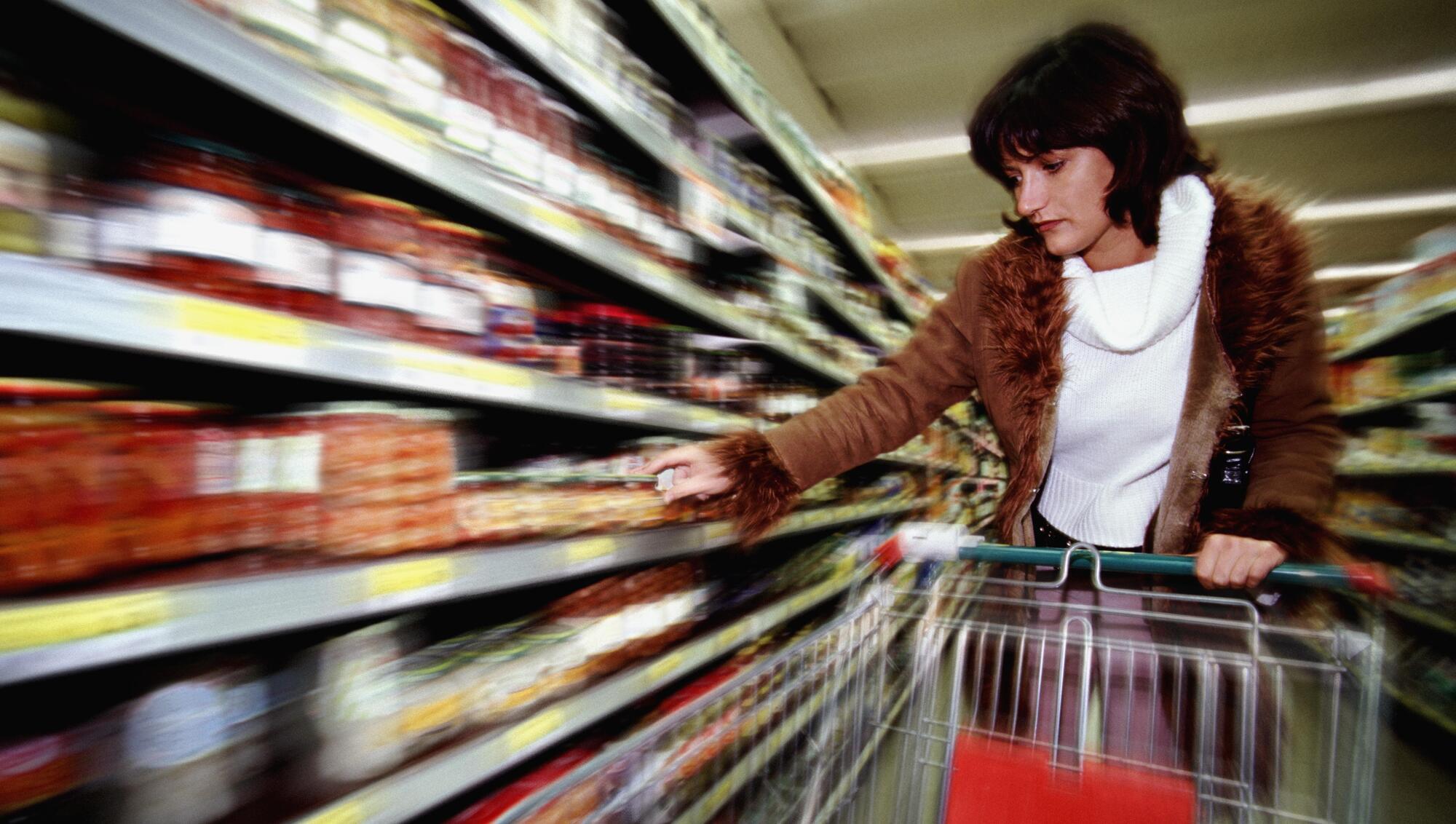
Irish grocers find themselves at the centre of a cost-of-living debate and facing questions about profit margins across the sector. Picture: Getty Images
Irish grocers find themselves at the centre of a cost-of-living debate and facing questions about profit margins across the sector. Indeed, this trend is not exclusive to Ireland; the UK’s new prime minister, Andy Burnham has also set his focus on grocery prices and some of the loyalty schemes underpinning same.
The US-Israeli conflict with Iran has added to uncertainty around energy, fertiliser, transport and supply-chain costs, creating a risk of renewed pressure on food prices. This threatens to undermine the goodwill and consumer engagement carefully nurtured by retailers in their local communities.
Read More
Grocery prices have risen significantly over the past four years, even prior to the recent escalation in conflict across the Middle East. The Competition and Consumer Protection Commission (CCPC), in its high-level analysis of the sector in August 2025, outlined that whilst Irish grocery inflation was high at around 27% over the prevoius four years (2021-2025), it compared favourably with an EU average of 35%. The CCPC also analysed market concentration and profit margins. It outlined that recent profit figures from Irish grocery retailers continue to be in line with the tight margin band estimated by the CCPC in 2023, which was between 1% and 4%.
The Irish grocery and convenience market is unique given that a significant proportion of market share is held by indigenous, family-owned retailers operating under the Supervalu, Eurospar, Centra, Mace and Londis brands. Bank of Ireland data confirms that the profit margin generated by these retailers over the past year has remained consistent with historical performance.
As consumers, we have become accustomed to excellent, in-store standards – to maintain these standards, family-owned retailers need to preserve their margin whilst maintaining a continuous improvement mindset. In this fast-moving environment retailers are exploring a number of avenues, beyond price, to demonstrate value and preserve customer goodwill.
These include a renewed focus on private label brands. There has been a discernible improvement in options across this element of the sector and increased engagement from consumers as a result. As retailers seek to differentiate themselves in the coming months – the delivery of premium, healthy and sustainable products across the private label range will be required to meet customer expectations and preserve retailer margins.
Grocery retail is a high-volume, low margin business with leading European grocers reporting EBIT (Earnings before Interest and Taxation) of around 3% on average in recent years. When compared with the leading consumer packaged goods businesses like Nestle, Coca Cola, and Unilever who average EBIT% of 20%, the game of brinkmanship that is margin management becomes even more apparent. Retailers will need to focus on their product range in a granular manner to ascertain the optimum mix of consumer favourites and lines that meet an appropriate margin threshold – utilising a combination of data, artificial intelligence, and customer interaction will support a successful implementation of same.
A shortage of personnel remains a critical issue for the sector at present. It has prompted a dual-approach from progressive retailers – the development of flexible/proactive employee development plans incorporating up-skilling/management opportunities and increased automation of manual intensive tasks. The use of electronic shelf labels, self-scan checkouts and smart rostering systems can be instrumental in driving a better work/life environment when balanced appropriately with maintaining the customer service values of the business.
Alongside the focus on automation, revamping the look and feel of the physical store has proven an effective way to fulfil customer expectations, preserve margin and drive overhead efficiencies. Bank of Ireland data suggests that when delivered effectively – a store revamp can drive sales growth of 5%-10% and margin growth of circa 1%. In a competitive environment, creating a sense of theatre and leading with an innovative food to go proposition in-store can act as a catalyst to sustain customer engagement and business profitability.
As shoppers take a more deliberate approach to their food and grocery purchases smaller format stores are well-positioned to thrive in an environment where customers are doing regular top-up shopping trips. With Tesco Express now actively competing with Spar and Centra nationwide, it will be interesting to see if other smaller format propositions emerge in the months ahead.
Inter-brand partnerships represent another avenue to expand brand reach without adding significant footprint - In recent times we have seen partnerships developed between Applegreen/Marks & Spencer and Maxol/Dunnes Stores in this respect. Given the strength of footfall levels and a focus on maximising revenue from floor-space, an expansion of this “brand within a brand” concept to non-food operators is expected. The Tesco/Decathlon partnership coming to Douglas in Cork is a recent example announced in the Irish market.
On a more macro level, the strong fundamentals of the Irish economy continue to attract international brands seeking a foothold in the market via partnerships/acquisition – Taco Bell, Wendy’s, Popeye’s and Joe and the Juice being just four recent examples of same. Further developments in respect of multi-brand offerings in-store are expected across both the Irish convenience and grocery markets.
In this inflationary environment, grocery and convenience store operators will need to embrace change and continue to innovate to meet consumer expectations and demonstrate clearly that their value proposition goes beyond price.
CONNECT WITH US TODAY



Be the first to know the latest news and updates