Harris defends potentially borrowing money for wealth funds
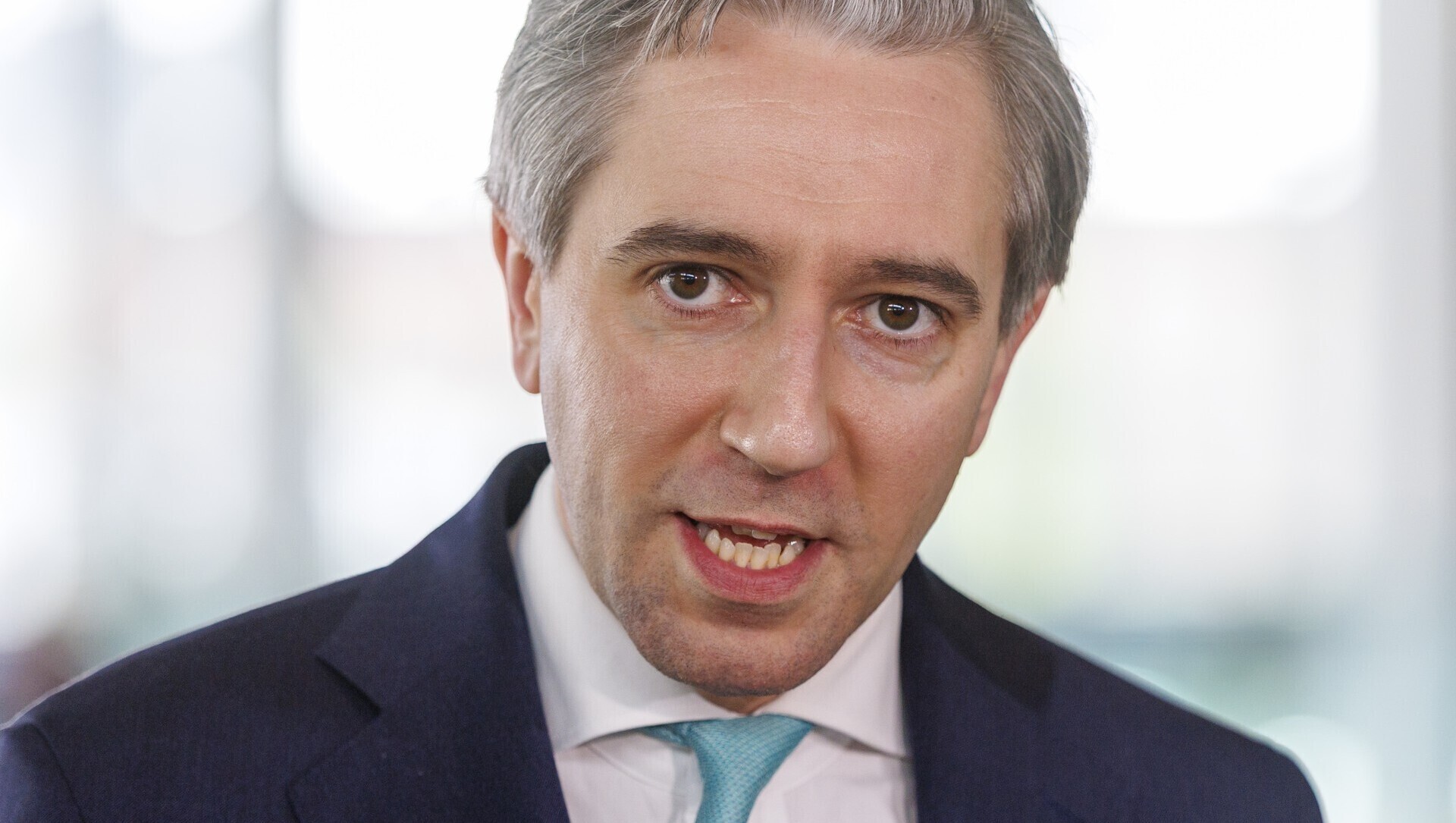
Finance minister Simon Harris.
Finance minister Simon Harris has defended the potential need to borrow money to invest into the Government’s two wealth funds over the coming years, saying investing in “future competitiveness and demographic needs” is a “very good use of borrowing”.
Mr Harris’ comments come as the National Treasury Management Agency (NTMA) published its 2025 annual report and its 2026 mid-year report. As of the end of 2025, general Government debt fell to €210bn — €25bn lower than the pre-pandemic high.
However, the NTMA is forecasting Government debt to increase to about €250bn by the end of the decade, with the cost of serving that debt potentially doubling.
Chief executive of the NTMA Frank O’Connor said Ireland’s debt metrics had “improved significantly” and “we're in a good place” but the country’s “debt is forecast to rise, and so too will the cost of service loans”.
"Higher debt and higher interest rates are going to naturally lead to higher debt servicing costs,” he said, adding that as of the end of last year, debt serving costs stood at €3bn. This is expected to grow to €6bn by the early 2030s.
"A potential €6bn debt servicing bill is lower than the €8bn peak we saw back in 2013 when the Irish economy was in a very different position,” he added.
In the Government’s annual progress report, it forecast growing fiscal deficits out to 2030 largely driven by the need to contribute to the Future Ireland Fund and the Infrastructure, Climate and Nature Fund. The Government is expected to borrow money to make-up the shortfall.
Read More
Last month, the Irish Fiscal Advisory Council raised concerns about borrowing money to save into these funds, saying instead it should focus on running larger surpluses.
When asked about this, Mr Harris said “should borrowing be required to populate the funds, that in and of itself is not a bad thing”.
“In fact, if you're putting in place funds that are investing in the future competitiveness and demographic needs of your country, that is potentially a very good use of borrowing, but it may not be required,” he said, adding borrowing requirements would depend on the exchequer position each year.
The NTMA said there was €23bn in assets held by the Government’s two wealth funds, with €17bn placed on the Future Ireland Fund, and €6bn placed in the Infrastructure, Climate and Nature Fund.
Each fund earned an investment return of about 2.2% in 2025, marginally ahead of their reference interim benchmarks.
In addition, the Ireland Strategic Investment Fund (ISIF) delivered investment gains from its discretionary portfolio totalling €3.6bn from its inception to the end of 2025. It generated an investment return of 8.1% during 2025.
Since its inception at the end of 2014, ISIF has committed €9.7bn across 272 investments to growing businesses and projects in Ireland. ISIF made 22 investments totalling over €1.4bn in 2025.
During 2025, the NTMA’s benchmark bond issuance was €8.5bn, an increase of €2.5bn on the 2024 figure, but well below the annual average of almost €20bn from 2019 to 2021. Bond issuance last year was at a weighted average yield of 3.08% and a weighted average maturity of 18.7 years.
The NTMA also operates the State Claims Agency (SCA), which resolves personal injury and property damage claims against the State.
At the end of 2025, the SCA portfolio stood at 10,658 active claims across its general and clinical claims portfolios at end-2025.
The SCA resolved 3,570 claims last year, with 59% of those resolved without court proceedings, compared with 56% in 2024.

CONNECT WITH US TODAY



Be the first to know the latest news and updates