Dublin business activity 'strengthened sharply' in first quarter
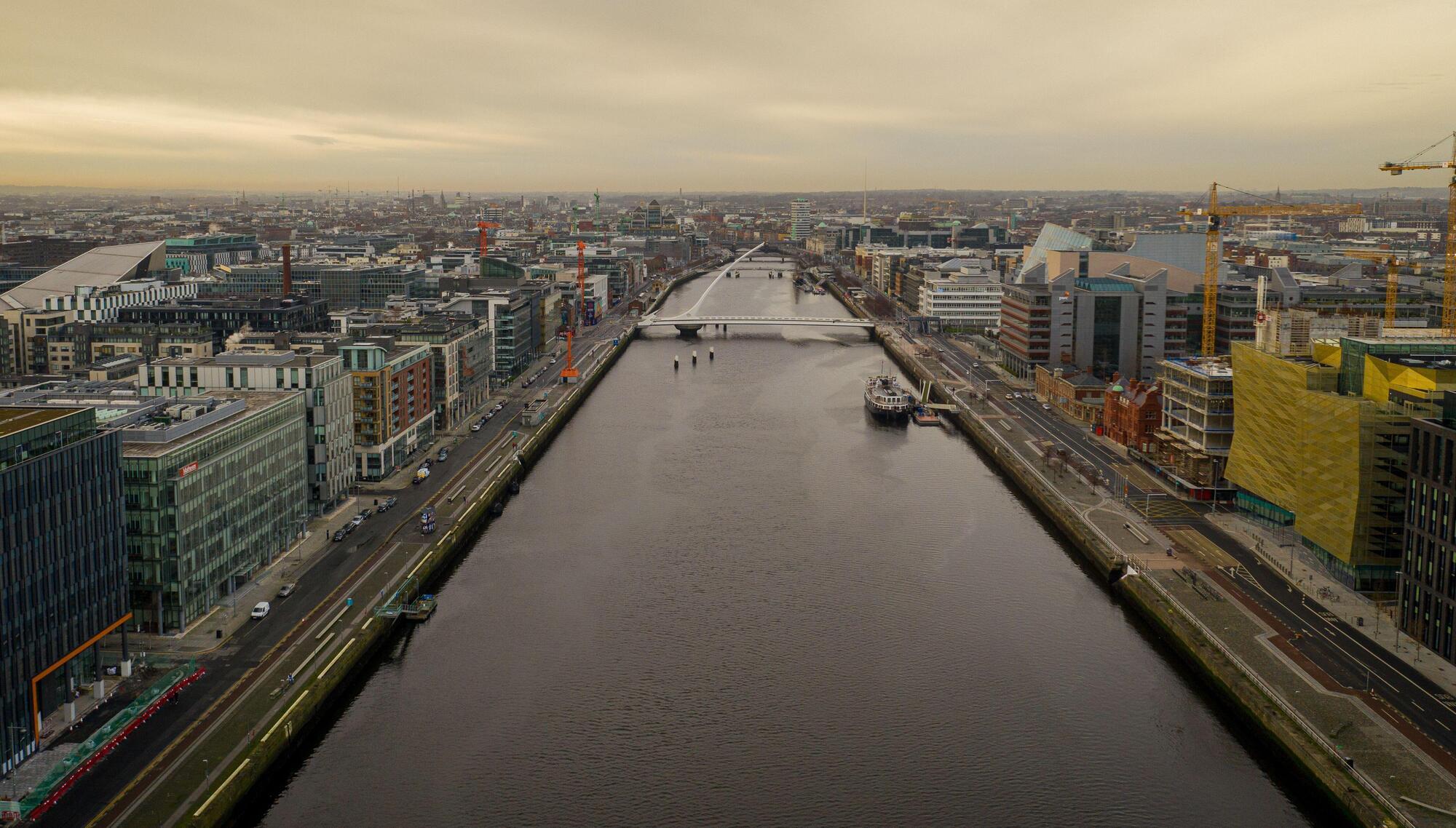
Spending in Dublin continued to expand during the first quarter with total sales up 2.7% compared to the previous quarter and by 10% compared to the same period last year. Stock picture: Alamy
Business activity in Dublin “strengthened sharply” during the first three months of the year with both the construction and manufacturing sectors recording strong growth, the latest Dublin Economic Monitor shows.
The latest S&P Global Purchasing Managers’ Index (PMI) for Dublin’s private sector showed a reading of 55.6, up from 53.2 during the last three months of 2025. The index continued to sit above the 50-point threshold, indicating growth across the capital.
On a sectoral level, the overall expansion reflected accelerated growth in the construction sector, with a PMI reading of 60.7, and a rebound in the manufacturing sector, with a reading of 59.9. The Services sector recorded a softer increase with a reading of 52.4.
Grant Thornton director of economic advisory Lorcan Blake said business activity in the capital “strengthened sharply” during the first quarter of the year “recording its strongest reading since 2022” while “retail spending, tourism activity and housing commencements all increased further”.
Spending in Dublin continued to expand during the first quarter with total sales up 2.7% compared to the previous quarter and by 10% compared to the same period last year.
"This marked the strongest year-on-year growth rate recorded since early 2022," the monitor said.
Read More
In the construction sector, new housing completions totalled 3,060 units in the quarter, representing growth of 33.7% year-on-year.
“New housing commencements in Dublin strengthened significantly in quarter one, rising to 2,921 units representing growth of 35.1% quarter-on-quarter and an increase of 181.7% year-on-year,” the monitor said.
In terms of foreign director investment (FDI), the average capital investment increased to $889m (€769m) in the quarter, returning to levels last seen during the second quarter of 2024.
Mr Blake added that it is “encouraging” to see a recovery in inward investment activity during the quarter, with both FDI capital investment and job creation increasing.”
“At the same time, the data points to some easing in labour market conditions, with unemployment rising and hiring activity softening. Nonetheless, the broader outlook for Dublin’s economy remains positive.”
Employment levels in Dublin, however, fell to 827,200 resulting in an unemployment rate increased to 5.4% which is its highest level in four years, “pointing to further easing in labour market conditions”, according to the monitor.
“Job vacancy data indicates a similar easing in labour market conditions, as the volume of Dublin job postings on the Indeed platform continued to trend below pre-pandemic levels,” it added.
The Dublin Economic Monitor is conducted by Grant Thornton on behalf of the four Dublin local authorities.