Slower growth and higher inflation could 'test borrowers'
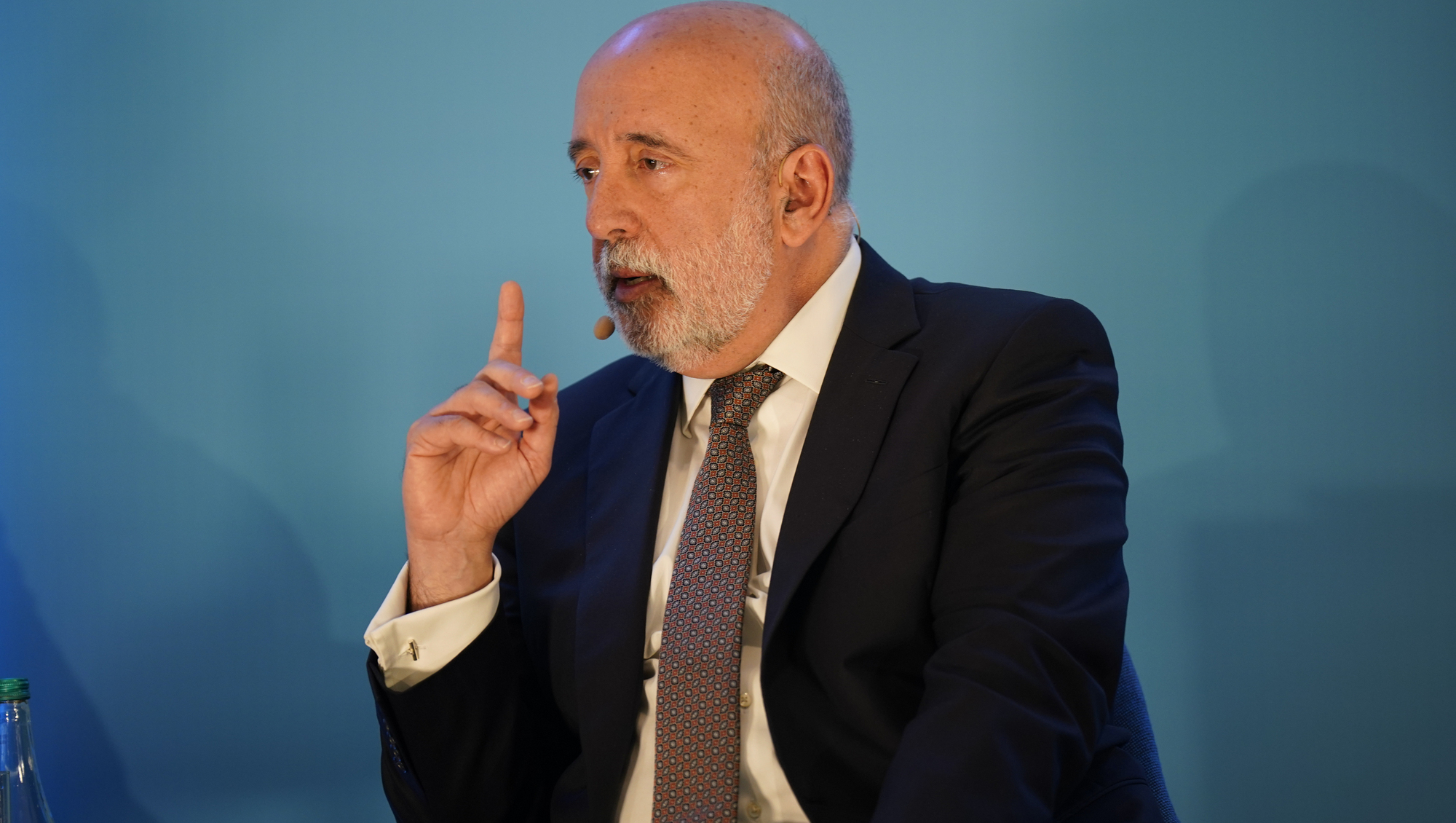
Governor of the Central Bank of Ireland Gabriel Makhlouf.
A combination of weaker growth along with increasing inflation could “test borrower resilience” over the coming months, the Central Bank of Ireland has said, as it warned there are multiple risks developing that could impact the economy and financial system.
In its latest financial stability review, the Central Bank said if the conflict in the Middle East “intensifies or continues for longer” it would push up inflation, slow economic growth and increase costs for Irish households and businesses.
In April, the inflation rate hit 3.7%, largely driven by the increasing cost of energy following the war in the Middle East. The sudden increase in inflation could lead to the European Central Bank increasing interest rates when it meets next month.
“The conflict in the Middle East has created a global energy supply shock, which will have implications for growth, financial conditions and critical global supply chains if it remains unresolved,” the review said.
“A combination of weaker growth and higher inflation could test borrower resilience."
“Credit risks could rise in a stagflationary environment through lower real incomes, weaker corporate margins and increasing debt-servicing pressures. Irish households have modest levels of indebtedness, but credit growth has picked up, driven by mortgages.
Speaking to reporters in Dublin, Central Bank of Ireland governor Gabriel Makhlouf said the “global growth outlook had weakened” and inflationary pressures had increased.
“Financial markets have continued to function in an orderly manner, although the contained reaction has been noticeably at odds with economic narratives, on the increasing risks posed by a prolonged energy price shock,” he said.
“This enhances the risk of a sudden tightening of global financial conditions, with a wider reappraisal of risk, amplifying any economic downturn.”
Among the other risks cited by the review include a possible correction in the financial markets, particularly the equities of AI firms as well as cyber risks.
Read More
“If the conflict persists for longer than expected, there is the potential for more than one vulnerability to be triggered at the same time,” the Central Bank said.
On AI, Mr Makhlouf said: “High valuations for AI-related stocks, buoyed by strong reported earnings, raise the potential for a market correction, or sector-level disruption, if the global macro-financial outlook deteriorates or if earnings disappoint”.
He added the increasing use of debt and curricular deals to fund large AI investment plans “further raise financial concerns”.
“A marked slowdown in global economic activity combined with tighter financial conditions could trigger a reappraisal of risk pricing in either AI-related investment or in private credit markets, or in both given the interlinkages,” Mr Makhlouf said.
The review noted Irish households have a relatively low direct equity risk compared with the rest of the eurozone.
However, a “significant fall in equity prices could reduce household wealth and consumption”.
On Government finances, the Central Bank said while they remain strong, there are “underlying vulnerabilities” with budget surpluses depending on corporation tax revenues.
“Without these receipts, the budget balance is projected to remain in deficit, leaving the State exposed if the global economy weakens or multinational activity is affected,” the Central Bank said.
The Central Bank’s latest baseline economic projections point to continued growth but a slower place compared to last year, with “less room to absorb shocks”.
Inflation is now forecast to remain at or above 2% in the coming years.
However, the Central Bank warned the “outlook remains sensitive to developments in international energy markets”.

CONNECT WITH US TODAY



Be the first to know the latest news and updates