Energy security and public sector reform key to enhancing Irish competitiveness, says NCPC report
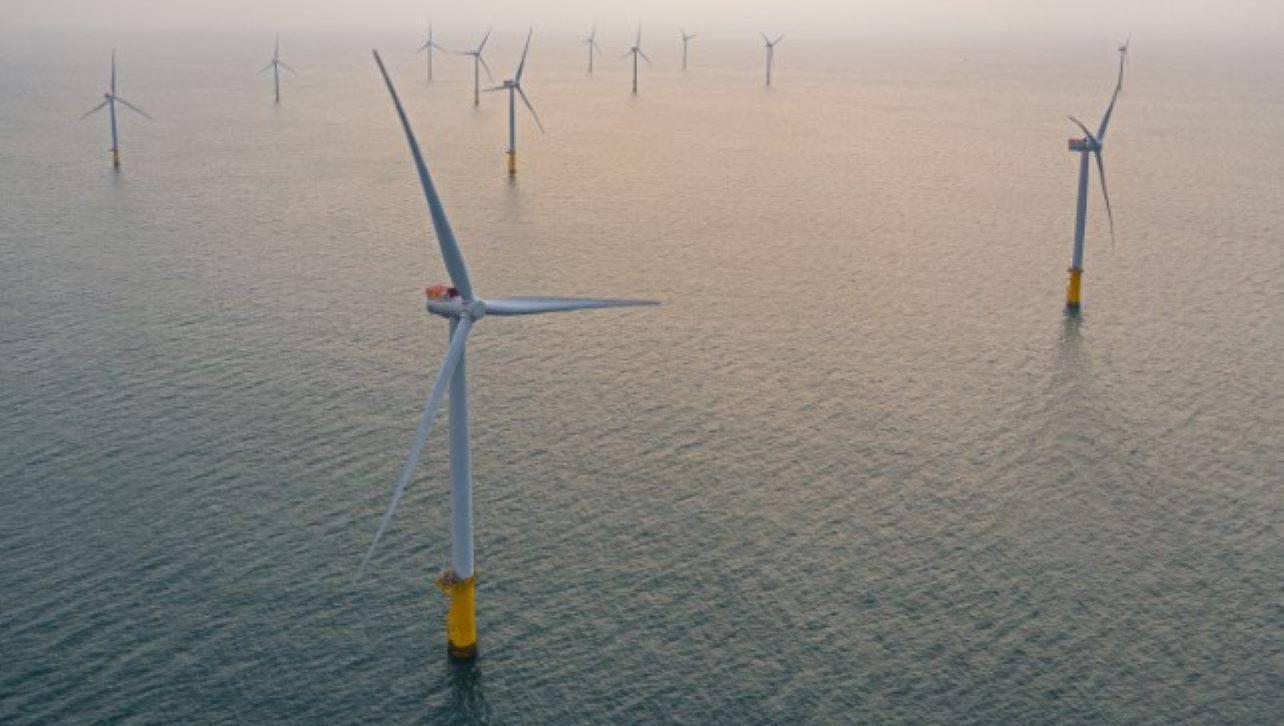
EirGrid is leading plans to connect electricity from offshore renewable energy resources to the national electricity grid.
Ireland's economic model of openness, foreign direct investment and the European single market is being tested by a more volatile and uncertain global environment and binding domestic capacity constraints, a new report from the National Competitiveness and Productivity Council (NCPC) has warned.
Releasing its Ireland's Competitiveness Challenge 2026, the NCPC said the State's policy landscape is being shaped by growing interventionism in industrial policy across major economies, as governments take a more active role in supporting strategic sectors and influencing investment decisions.
Geopolitical fragmentation, energy security concerns, and evolving trade patterns, it says, are reshaping the external landscape, while pressures in infrastructure, costs, and public sector delivery are becoming more acute at home.
According to the IMD’s World Competitiveness Yearbook 2026, Ireland ranked 7th out of 70 economies, which was unchanged from 2025, and remained the most competitive economy in the Euro area.
The economy remained resilient amid an unpredictable international environment in 2025, with domestic demand rising by 2.9% and employment increasing by 2.2%.
The NCPC said the global economic environment is becoming increasingly characterised by volatility, uncertainty, complexity and ambiguity (VUCA), alongside a slowing pace of globalisation, and a shift towards more defensive trade and industrial policies, with Ireland particularly exposed to these shifts.
However, it noted that Ireland’s position as a stable, advanced, and democratic location for foreign direct investment represents a significant competitive advantage in an increasingly uncertain world.
This year’s report highlights six key areas which focus on building economic resilience and security, improving energy security, reducing the cost of doing business, accelerating public sector reform and infrastructure delivery, harnessing the opportunities presented by artificial intelligence, and leveraging Ireland’s EU Presidency to advance the EU competitiveness agenda.
"As a small, open economy, Ireland is highly exposed to developments in international markets," said Minister for Enterprise, Peter Burke.
"Ongoing geopolitical uncertainty, evolving trade patterns, energy security concerns and increasing global competition reinforce the importance of building resilience while maintaining our competitiveness.
“We will carefully consider the recommendations outlined in the Competitiveness Challenge 2026 report and will continue to work across Government to ensure Ireland remains an attractive, competitive and resilient location in which to live, work, invest and do business.”
Professor Alan Barrett, chair of NCPC, said: "A competitive economy is better able to absorb external shocks and generate sustainable improvements in living standards, while resilient infrastructure, secure energy systems, effective public services, innovative enterprises and a highly skilled workforce provide the foundations on which competitiveness depends.
"Fiscal discipline remains essential, but so too does strategic investment in the capabilities that will determine Ireland's future competitiveness. This includes strengthening critical infrastructure, modernising public services, supporting enterprise innovation, accelerating the adoption of AI and ensuring that our education and skills systems remain responsive to a rapidly evolving labour market."

CONNECT WITH US TODAY



Be the first to know the latest news and updates