House prices forecast to rise 4% as homebuilding predicted to outperform expectations
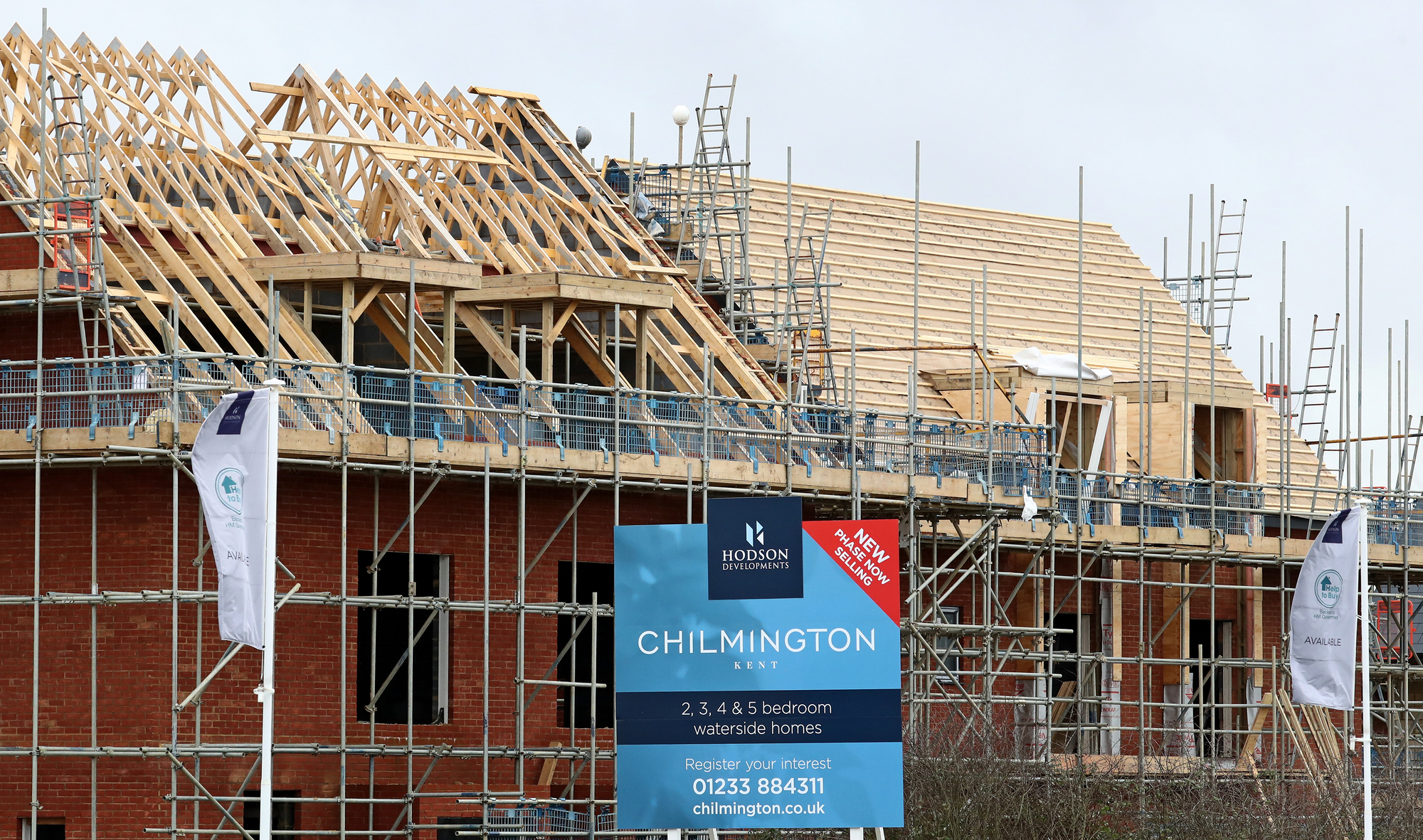
Bank of Ireland projects housing completions could reach as high as 40,000 this year.
Residential house prices are expected to increase by 4% during the course of this year despite the delivery of new homes currently outperforming expectations and could reach as high as 40,000 in 2026, a new report by Bank of Ireland shows.
In a report analysing the Irish housing market, Bank of Ireland said home prices are expected to see “steady price growth” throughout the rest of this year despite initial softness at the start of the year.
Read More
The report cited recent Residential Property Price Index (RPPI) data which showed a slight decline of 0.3% in February and flat in March. It said that early-year softness is “typical” and does not deviate from seasonal patterns ahead of the summer trading peak.
“Leading indicators point to continued price growth. MyHome asking prices rose by 1% in quarter one 2026 to a median of €385,000, representing a 4.7% year-on-year increase. That the average mortgage approval rose to €341,000 in March, up 1.7%, supported by rising household incomes, points to house price gains in the months ahead,” the report said.
It noted that during April and May properties continued to sell at a premium with median sale prices remaining 6.7% above asking “demonstrating fierce competition among buyers into the summer”.
Rising incomes are also expected to put further upward pressure on Irish house prices.
Group chief economist at Bank of Ireland Conall Mac Coille said while property price data from the start of the year “may appear soft” the moderate 1% rise in MyHome asking prices in during the first quarter, combined with the evidence properties were still selling 6% to 7% above asking in during the second quarter points to transaction prices rising in the coming months.
“So we are leaving our forecast for 4% RPPI inflation in 2026 unchanged, albeit still indicating stretched affordability will lead to a more sedate rise this year.”
The report said housing market activity is expanding with residential transactions increasing 6.6% in the year to the end of March and is projected to increase by 3% between April and June.
“However, growth is being driven almost entirely by new-build properties, which saw a 30% surge in transactions, while existing home sales declined for a fourth consecutive year.”
“Consequently, the expansion of Ireland’s housing market, now estimated at €29bn in transactions in 2025, continues to rely heavily on new construction.”
Bank of Ireland said the homebuilding sector continues to “outperform expectations” with completions reaching 38,191 in the year to the end of March with 7,856 units delivered between January and March.
“While some of the recent momentum reflects catch-up activity, particularly in apartment construction, the overall trend suggests capacity within the sector is stronger than previously assumed.
"With these dynamics in play, housing completions could reach as high as 40,000 units in 2026, exceeding earlier projections of 37,500,” the report said.
On the private rental sector, the report said the emerging trend of small landlords leaving the market could “support market liquidity”.
Data from the Residential Tenancies Board show a 50% year-on-year increase in tenancy termination notices, reaching 7,062, during the first quarter of this year.

CONNECT WITH US TODAY



Be the first to know the latest news and updates