Iran blockade plunges global fertiliser trade into crisis
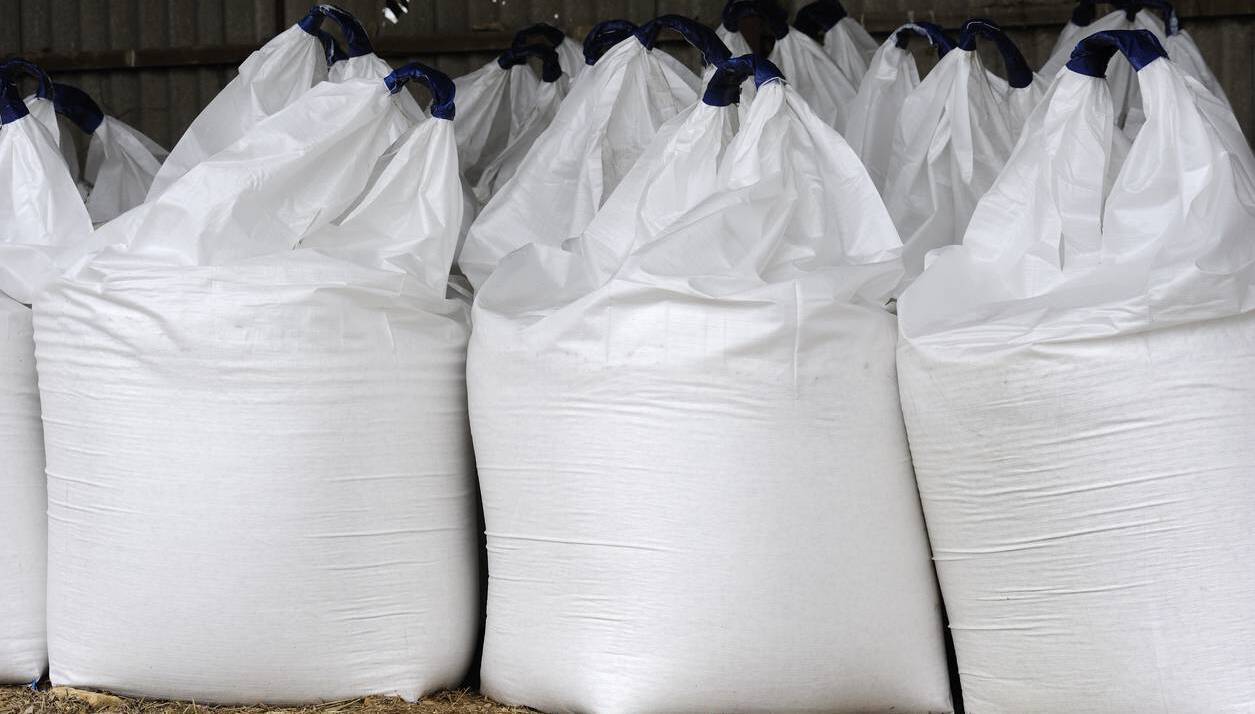
UN has warned the Hormuz blockade could cause a full-blown global food crisis within six to 12 months
Iran blockade plunges global fertiliser trade into crisis

Irish farmers are among the most vulnerable, completely depending on 1.7 million tonnes of imported fertiliser a year.

Even as the European Commission rules out short-term fertiliser crisis help for farmers, the risks for global food production became clear across the Atlantic.

Some may think it fitting that American farmers suffer for the folly of their president, who has left farmers in the USA paying 72% extra for farm diesel and 55% extra for urea fertilisers, since the closure of the Strait of Hormuz in late February brought a stalemate in Trump’s "Operation Epic Fury" war against Iran.

He may have reckoned without drought conditions expanding to about 60% of the USA mainland, which has greatly reduced crop yields, and left farmers now unable to afford the increased prices for fertilisers and farm diesel.

The drought has reduced the harvest of hard red ​winter wheat to its lowest level since at least 1957, possibly since 1919. Used to make bread, this Great Plains crop is planted in the autumn and harvested in the late spring or summer. Some harvest yields were down 75%. Futures prices surged for the grain, which is likely to push the 2.9% food price inflation rate in the USA even higher.

Farmers there were struggling with drought, high input costs, and President Donald Trump's trade policies, before his Iran adventure brought the high fertiliser prices, which have now ruled out aiming for high crop yields on many farms.

A survey by the American Farm Bureau Federation, the leading farm lobby, revealed most farmers in the USA cannot afford ​all the fertiliser they need for the growing season. Some are now planting crops without any fertiliser, because of its soaring price and drought, reducing potential yields.

Higher input prices have quickly wiped out the Trump administration's $12bn (€10.2bn) aid package meant to offset the fallout for farmers from his tariffs. Now, the Hormuz blockade will be the last straw for some farmers in the USA, on top of the drought.

The blockade has caused a rapidly worsening global fuel crisis, but 30% of the world's fertiliser also flows through the Strait of Hormuz from manufacturers in the Persian Gulf to key destinations such as Brazil, the USA, China, and India.

According to the Organisation for Economic Co-operation and Development’s maritime monitoring system, the blockade has plunged the global fertiliser trade to its lowest tonnage since 2019.

Warning of global food crisis

The UN's Food and Agriculture Organisation has warned the Hormuz blockade could cause a full-blown global food crisis within six to 12 months.

It has compounded drought difficulties for American farmers. Meanwhile, a strong El Niño weather system is forecast to bring extreme weather to regions such as Sub-Saharan Africa and South Asia, the two regions reckoned most vulnerable to the fertiliser shock.

Brazil and Argentina together have 10% of global wheat exports, 39% of maize, and 66% of soybean exports. Both countries depend heavily on fertiliser imports, much if it coming from the Persian Gulf. They are also susceptible to El Niño, as is Southeast Asia, another region with a high fertiliser import dependency, and pre-existing food insecurity.

Fertiliser export restrictions will turn the price shock into a shortage. This is happening already, with China suspending phosphate fertiliser and sulfuric acid exports. Russia and Turkey introduced or increased export restrictions to safeguard domestic fertiliser availability.

In Europe, the commission’s fertiliser action plan had no immediate measures to give farmers hope of economic relief.

Nitrogen fertiliser prices are 70% above 2024 levels, and European farmers are reducing acreage and switching away from fertiliser-hungry crops such as wheat.

But the commission seems happy for farmers to use less fertiliser, while it plans to cut import dependency, boost domestic production, and push low-carbon alternatives.

The only short-term measure, a temporary State aid framework, rests with member states that can afford it.

Nothing to help farmers

There’s nothing there to help farmers in time for 2027 plantings. As one commentator said: "Brussels' answer to a looming fertiliser crisis is to make more use of cow dung."

Indeed, the commission may have decided to “never let a crisis go to waste”, by using the fertiliser price shock to get closer to its target of 25% organic farming by 2030, up from 10.8% now.

Suspending tariffs on Russian and Belarusian imports (if available) or pausing the EU’s CBAM tax on carbon-intensive imports would have immediately eased fertiliser prices, but the EU leaders' steadfast net zero climate action and pro-Ukraine ideologies do not allow these options.

EU farmers’ organisations say CBAM adds €115 per tonne to the price of non-EU calcium ammounium nitrate fertiliser. And it will cost EU farmers €39bn by 2034, equivalent to 10% of the CAP budget.

But the commission’s answer seems to be increased reliance on nitrogen extracted from manure, and digestates from biogas production in the few member states where this is a big part of their climate action.

Only climate activists will welcome the lack of support for the urea and nitrogen-based fertilisers that most EU farmers rely on.

The commission has left farmers with fingers crossed ahead of the possibility of an acute fertiliser shortage in 2027.

And Irish farmers are among the most vulnerable, completely depending on 1.7 million tonnes of imported fertiliser per year.

x

More in this section

The Business Hub

Newsletter

News and analysis on business, money and jobs from Munster and beyond by our expert team of business writers.

Cookie Policy Privacy Policy Brand Safety FAQ Help Contact Us Terms and Conditions

© Examiner Echo Group Limited