2026 an annus horribilis so far for Ireland's vegetable growers
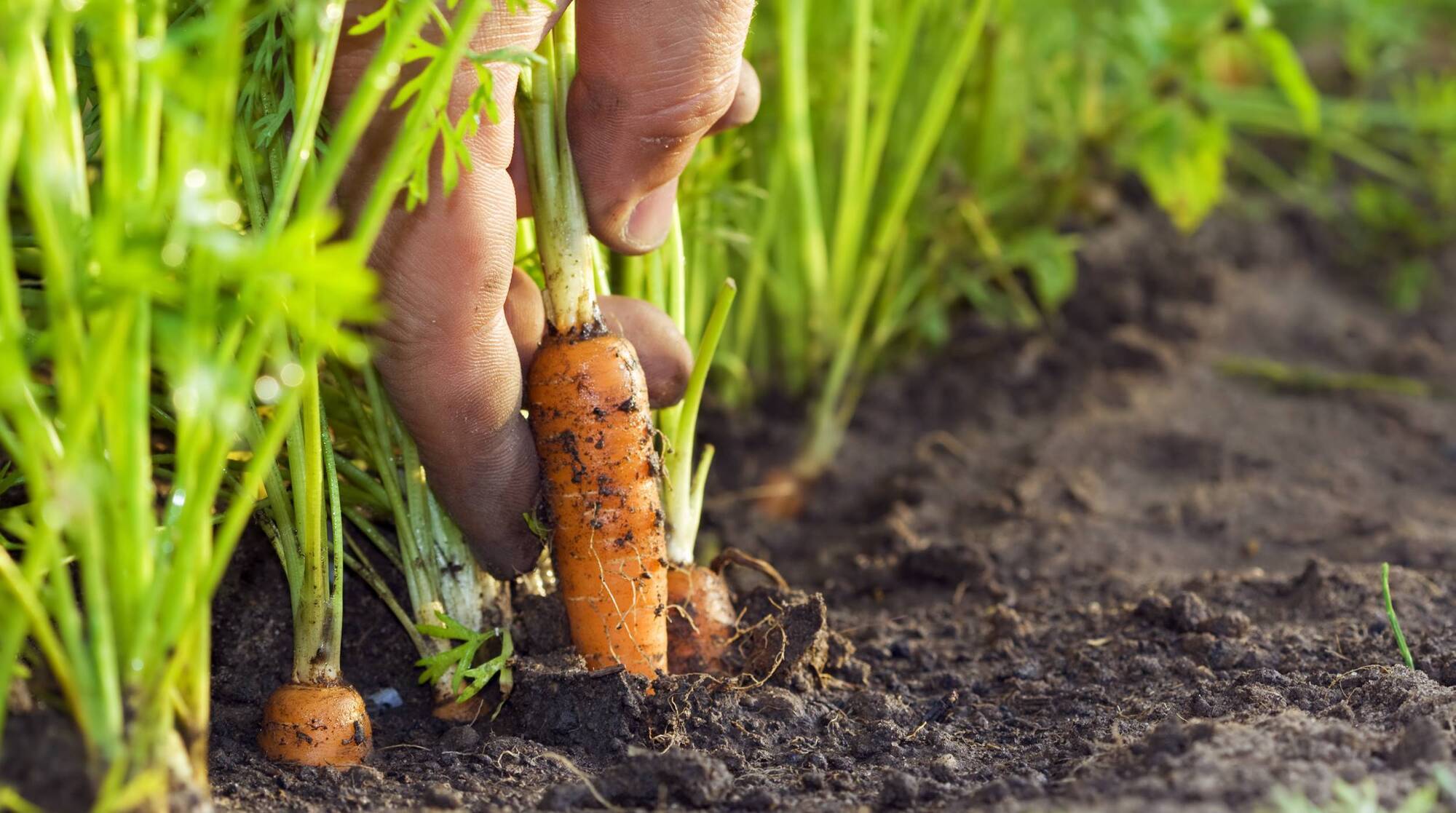
The crisis was raised in both Houses of the Oireachtas after the recent collapse of one of the country’s major carrot growers, Hughes Agriculture and Farming, in Kells, Co Kilkenny.
RISING costs, relentless rain and the Iran war have combined to create an annus horribilis for the country vegetable growers.
The crisis was raised in both Houses of the Oireachtas after the recent collapse of one of the country’s major carrot growers, Hughes Agriculture and Farming, in Kells, Co Kilkenny.
Labour TD Robert O’Donoghue, whose Dublin Fingal West constituency has many vegetable growers, warned that if fertiliser prices rise again, compounded by high gas and fuel inputs, many Irish fruit and vegetable producers might become unviable.
“We currently import 83% of our vegetables. This is a food security issue. There were 600 growers 20 years ago and there are 73 now,” he said.
Deputy O’Donoghue called for a government commitment to targeted supports for the horticultural sector and a dedicated crisis fund.
Minister of state Michael Healy-Rae said the Government fully recognised the importance of the horticultural sector to the economy and its contribution to food security in Ireland.
Read More
He said his department is closely monitoring developments regarding input costs. The conflict in the Middle East was putting upward pressure on energy and fertiliser prices.
An estimated 25% to 30% of global nitrogen fertiliser exports pass through the Strait of Hormuz.
He said agriculture in the EU is vulnerable to shocks in the availability and price of fertiliser due to limited internal production capacity and a reliance on imports. Ireland does not produce fertilisers and is therefore exposed to market shifts.
“It is too early to assess the full impact of current input price pressures on horticultural production systems and, in turn, on farmer margins.
"The impact will depend on how long the disruption lasts, whether physical energy production infrastructure is damaged, and how secondary markets respond,” he said.
He said the 2023-2027 national strategy for horticulture sets out a clear vision to grow a more profitable, value-added sector, driven by innovation and sustainability.
He said his department is working with stakeholders to progress all key actions in the strategy.
It was very concerning that one of the country’s highly respected carrot producers went into liquidation.
“It drives home now more than ever before that the customers — the people who go into shops — should be looking to try to buy Irish produce.
“We are better at producing our goods than anyone else. Our growers are better than anyone else, but it is up to us.
Minister Healy-Rae said the geopolitical uncertainty in the Middle East is going to put unreal pressure on energy and fertiliser prices. Natural gas and oil prices are key components in fertiliser production.
Deputy O'Donoghue agreed that people should buy Irish. The horticulture sector is under immense pressure due to conflict and climate change, and costs had rapidly increased over the past 20 years.
Having 54 days of rain in north county Dublin did not make it easier to plough or to plan, he said, adding: “Our growers need support and they need it urgently.”
Green Party Senator Malcolm Noonan, speaking in the Upper House, said Hughes Farming grew about 12% of the carrots produced in Ireland and was also a grower of onions and daffodils.
“I remember talking to its representatives a few years ago and they told me it would be cheaper to plough the vegetables back into the ground than to accept the prices that supermarkets were offering them,” he said.
Calling for a debate on the horticultural sector, he said they had seen it almost collapse in the last 10 years.
Wicklow Social Democrats Jennifer Whitmore asked in the Dáil what action the minister for agriculture is taking to support the establishment of commercial vegetable growing businesses.
Minister Healy-Rae said the national strategy outlines eight key actions to drive change and growth across all sub-sectors of horticulture. It also provides a roadmap for the sector to achieve this potential.
“Therefore, I was very sorry to hear that a major carrot grower is ceasing production.
"It is incumbent on everyone in the supply chain to support Irish producers and seek out Irish produce when buying fruit and vegetables.
"Irish growers need a fair price for their produce if we are to sustain a local horticultural sector and reduce Ireland’s reliance on imports,” he said.
Minister Healy-Rae outlined what he described as significant supports to the horticulture industry, including fruit and vegetable growers, and pointed out that €8.8 million was secured for the sector in Budget 2026.