Conspiracies, distrust and 'holding on for dear life': Inside Ireland's largest Bitcoin Conference
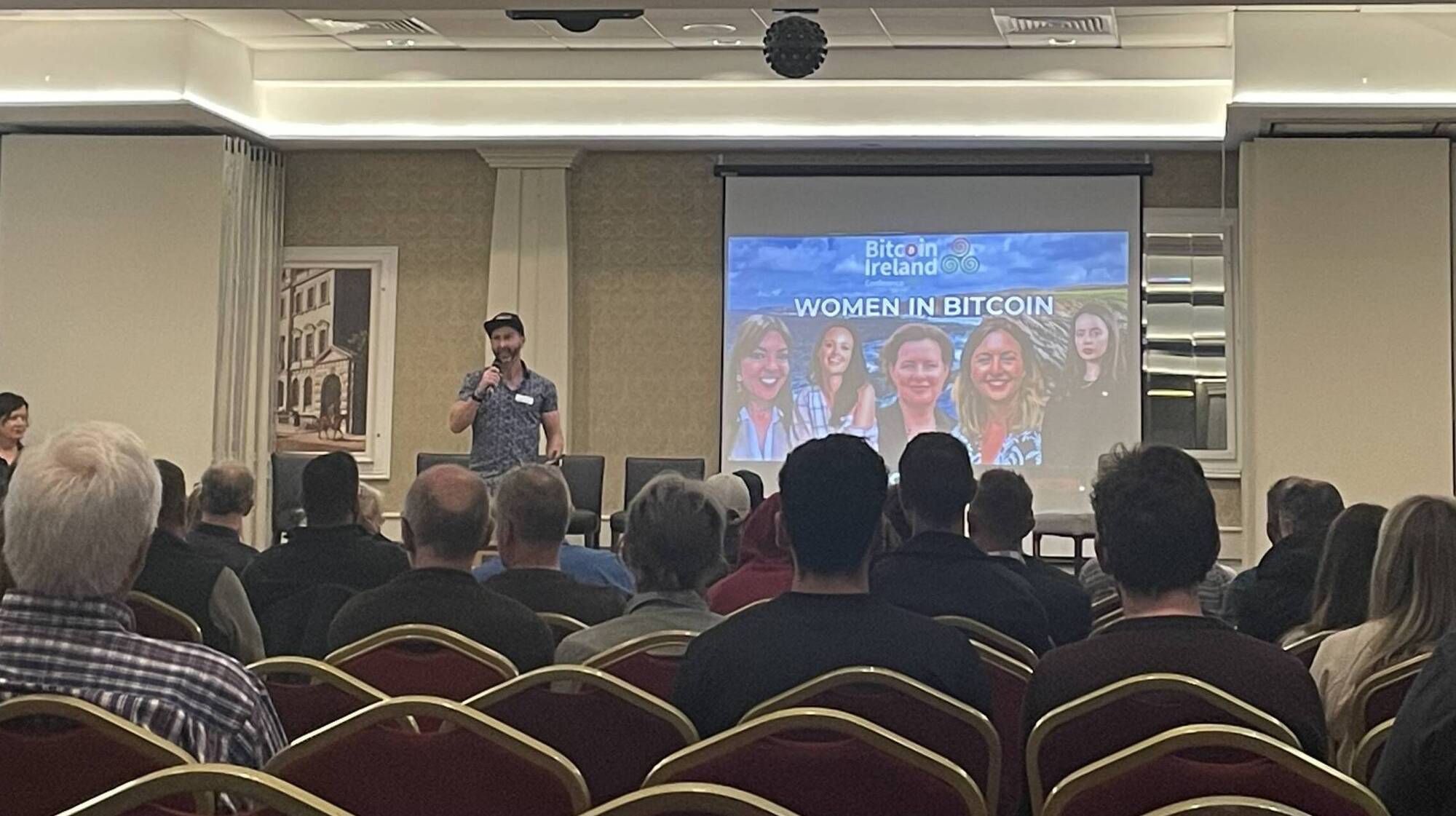
The profile of the people attending the Bitcoin Ireland Conference in Dublin was more diversified than the typical crypto fan's portfolio.
It’s 9.30am on a Saturday, and more than 500 people have flocked to Dublin’s Green Isle Hotel. Queues of eager attendees arrive early to register for what would later be described as the first day of the rest of their lives.
Searching for financial freedom, how to get rich quick, and ways to protect their wealth from bad actors, these people are looking to the event for answers. This is the Bitcoin Ireland Conference 2025.
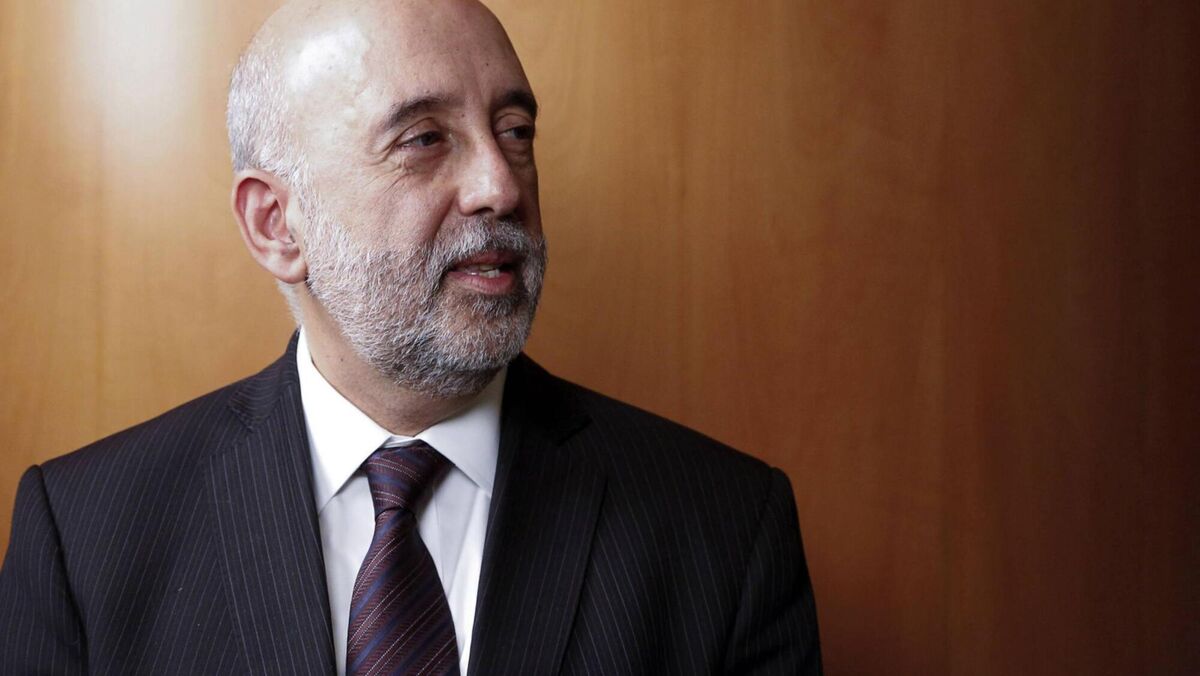
We’ve all heard the warnings about unbacked cryptocurrencies like bitcoin. “Like buying a lottery ticket,” in the words of Central Bank of Ireland governor Gabriel Makhlouf, who has likened it more to a Ponzi scheme than a legitimate investment. However, at this conference, the governor’s warning falls on deaf ears.
If anything, his disapproval only further emboldens these sceptics to buy more.
Unlike their portfolios, the crowd was largely diversified. Young adults from the age of 17 sat alongside retirees. Attendees from across Ireland bonded with people from Europe and beyond.
Women of all ages also helped fill seats, with a “Women in Bitcoin” initiative and a women-only panel helping to boost engagement.
Just after 10.30am, we were already warmed up, with the third speaker of the day telling an attentive crowd that fiat currency was a scam used by governments and central banks against you and to enslave you.
“Bitcoin is sovereign. You are not,” warned Karl Deans of the British-based Sovereign Project, an organisation known for its radical stance against taxation. Operating on the view that nobody is required to obey laws they have not explicitly consented to, the group offers paid courses on how to protect your signatures, titles that can “steal your status,” and how to “short circuit a fraudulent court”.
“Mr is the lowest-ranking officer on a vessel,” Mr Deans told conference attendees. “If you are a Mr, you cannot question the general.
“This is why they have an infantry in the army. They’re infants. They cannot speak. That’s why you have a soldier, because he sold his soul to the service.”
Putting aside his fundamental misunderstanding of navy rankings and basic etymology, Mr Deans’s fixation on words and their origin set the conspiratorial scene that would later become omnipresent throughout the conference.
His talk was followed by the second female speaker of the morning, Claire Marrinan, who introduces herself as a “financial astrologer”.
Her website, The Bitcoin Zodiac, explores the “dynamic world of cryptocurrencies through the lens of financial astrology”, and offers courses on mastering cryptocurrency and blockchain that can be unlocked for just $149.
Her philosophy is that by analysing the position of celestial bodies, it can help predict macro trends and asset fundamentals, which can ultimately lead to predicting price action. However, Ms Marrinan does not claim to be an expert and wouldn’t dare to call herself one.
“We outsource every single thing in our lives to an expert,” she says during a panel discussion alongside like-minded bitcoin advocates.
“This has been an absolute scam. Now is the time to take back. Educate yourself, whether it’s your health, educating your children, or your finances.
“Every single aspect of your life that we outsource to experts, we need to reclaim. We can first start by buying bitcoin.”
From the word go, the conference was clouded by an overwhelming sense of distrust. Not just in governments or central banks, but in every facet of everyday life.
As Ms Marrinan emboldened the audience to take matters of health and education into their own hands, I watched as a man sitting in front of me studied his phone intently. He wasn’t checking messages or scrolling on social media, he was examining the security cameras set up all around his home — both outside and in.
He spent minutes replaying footage of a family member as they cooked breakfast in the kitchen, before meticulously scrutinising all other camera angles placed within the house. He checked the cameras twice in one hour.
The price of bitcoin currently stands at around €96,000, having peaked at more than €102,000 at the beginning of this year.
It remains volatile, with monthly changes oftentimes exceeding 30% up or down. But its volatility is not a concern to this conference’s crowd. As they see it, it’s about taking a long-term view. This is reflected in the term HODL (“hold on for dear life”), a popular mantra among crypto enthusiasts.
“Bitcoin still has potential to reach €7m, maybe €8m,” one conference investor tells me.
Crediting himself for being ahead of the curve, having first bought bitcoin more than seven years ago when it averaged around just €7,000, he says he’s since been able to leave his job as an architect. How? By selling his house to buy bitcoin.
“I never have to work a day again, I’m sorted now. My only regret is that I didn’t buy more sooner,” he tells me, urging me to take his advice and buy some bitcoin of my own.
Standing beside him was an old college pal of his who joined the bitcoin game much more recently, first buying it just over 18 months ago. He sees his financially free friend as somewhat of a guru, looking to replicate his success so he too can retire early.
That hasn’t happened yet and, given that he too has sold his home on the back of his friend’s advice, he’s running out of options.
To these people, bitcoin is not just an asset but a lifeline. It offers an escape from the grind of a nine-to-five office job which, according to them, is no better than a prison cell. For every investor who has already won big, there are four or five others who want to take their first step on the bitcoin ladder but can’t due to financial constraints.
Many feel powerless, unable to join in on the fun while still enslaved by the central banks — but at least they’re in the know.
Many conspiracy theories are predicated on the idea that those involved in them know something that the general public doesn’t.
This was relayed to me many times by attendees and even the event organiser who, upon hearing that I had an undergraduate degree in economics and a master’s in finance, told me that I knew nothing about money or its value, adding that a young woman like me would want to educate herself properly about the things mainstream education refuses to teach.
Unlike the other attendees, I have yet to be “orange-pilled” — a Matrix-inspired term describing those who have declared their dedication to bitcoin. Filled with an intellectual superiority, bitcoin enthusiasts speak with convincing authority that is compounded by an overwhelming sense of urgency.
You need to buy bitcoin, and you need to buy it now.
“If you want your last name to mean something in this world, buy as much bitcoin as you can,” one conference speaker said.
Newcomers to bitcoin eat this up, with many not realising that a speedy push to buy and a HODL mindset bodes well for those who already own it. The more people that buy and hold it, the higher the price goes, and the more profit made by long-term investors.
While conspiratorial at its core, it would be disingenuous to describe all 500-plus attendees as paranoid truth seekers. Their conclusions may be irrational, but what brought them there is not.
They want to be the next great success story. They want the financial freedom these gurus promise. Most are completely disinterested in any argument that questions the legitimacy of bitcoin or its upward trajectory. For a second, the strength of the echo chamber almost convinced me that I needed to consider this. That was until I remembered that many speakers believed they should buy bitcoin when Mercury is in retrograde.
So will I be buying bitcoin as a result? Probably not, but I might treat myself and buy a few lottery tickets instead.
Read More

CONNECT WITH US TODAY



Be the first to know the latest news and updates