Microsoft AI chief says white-collar work will be automated by 18 months
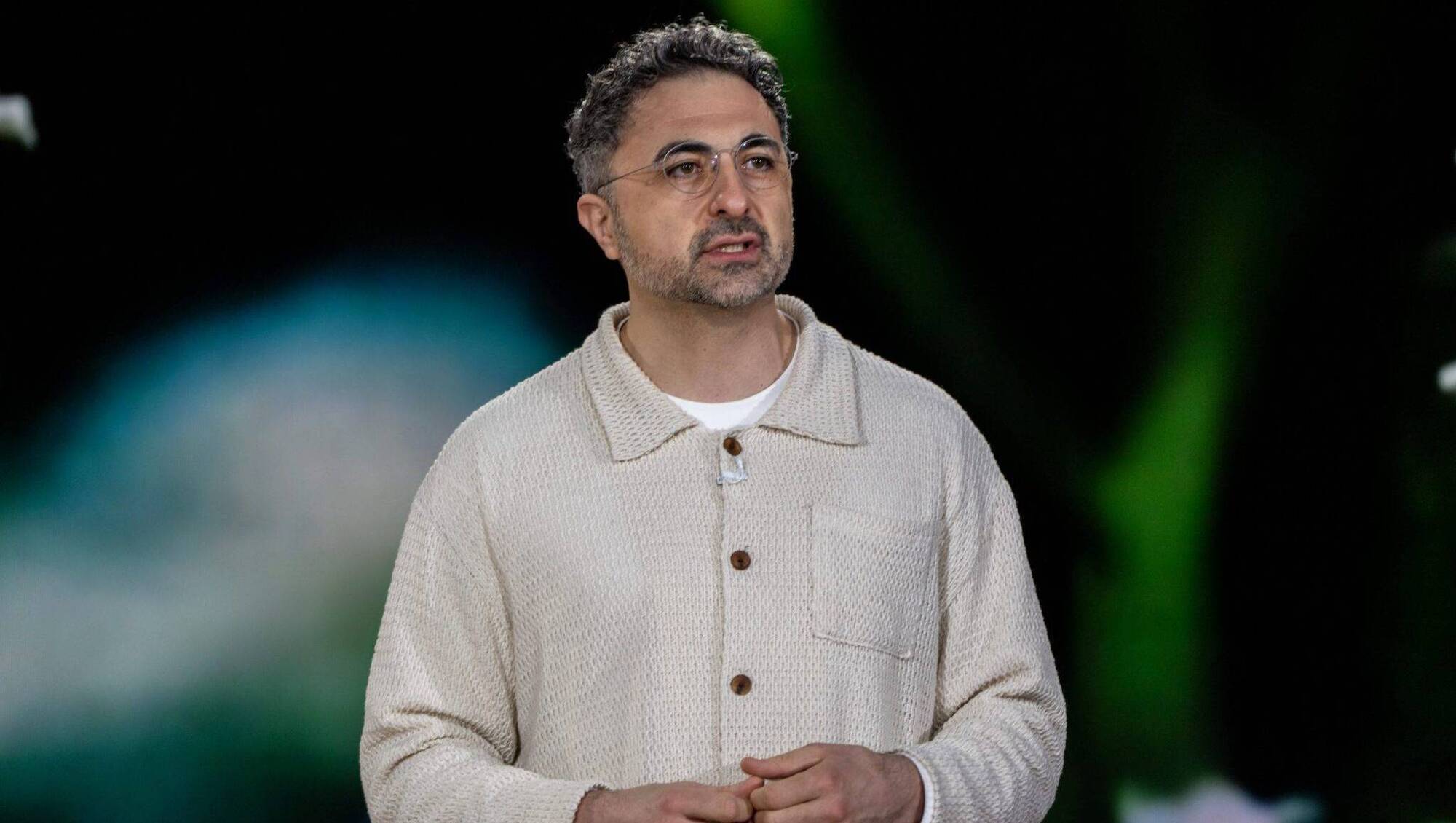
Microsoft AI CEO Mustafa Suleyman: 'This after all is the most important technology of our time.'
For the back half of the 20th century, law degree programs were a ticket to a great office job.
The 21st century is asking the question: What happens when all those office jobs get automated?
In a conversation with the Financial Times earlier this year, Mustafa Suleyman, the CEO of Microsoft AI, delivered another in a series of predictions from AI leaders that white-collar work is on the precipice of a radical transformation thanks to AI. His timeline is 18 months until those law school and Master of Business Administration grads — and many less-credentialed peers — are out of luck.
Suleyman predicted “human-level performance on most, if not all professional tasks” being done by AI. Most tasks that involve “sitting down at a computer” will be fully automated by AI within the next year or 18 months, he said — naming accounting, legal, marketing, and even project management as vulnerable.
Suleyman’s warning echoed the viral essay of the week, a version of which was published at Fortune.com, by AI researcher Matt Shumer, who compared this moment to February 2020, when the pandemic was about to hit the US. This will be more dramatic, though, Shumer said.
Suleyman cited the exponential growth in computational power as a flashing red signal that AI could replace large swaths of professionals. As “compute” advances, he said, models will be able to code better than most human coders.
Shumer and OpenAI CEO Sam Altman have both written about their alarm, even sadness, at watching their life’s work rapidly grow obsolete.
If Suleyman’s warning sounds familiar, that’s because it was the tune of early 2025, when many CEOs issued similarly apocalyptic prophecies. Anthropic CEO Dario Amodei warned last May that AI could wipe out half of all entry-level white-collar jobs — though he recently changed his tune.
However, as AI experts hypothesise about when, and if, AI will disrupt white-collar work, the technology thus far has made only a small splash in professional services. A 2025 Thomson Reuters report found lawyers, accountants, and auditors are experimenting with AI for targeted tasks like document review and routine analysis. However, while the results have shown marginal productivity improvements, they fall short of signalling mass job displacement.
While not citing AI as a reason for cuts, Microsoft last year let go 15,000 workers. In a memo released last July following job eliminations, CEO Satya Nadella said the company must “reimagine our mission for a new era”.
Despite marginal workforce reductions, the markets are reacting violently to the technology’s potential.
In February, software stocks suffered a huge sell-off out of fears of automation — analysts dubbed it the “SaaSpocalypse”, for the software-as-a-service sector. The sell-off came after Anthropic and OpenAI announced the launch of agentic AI systems for enterprises that perform many of the key functions of SaaS organisations.
Suleyman was adamant about the technology’s potential. He thinks organisations will be able to retrofit the technology to perform any job function, enhancing productivity across white-collar industries.
“Creating a new model is going to be like creating a podcast or writing a blog,” he said. “It is going to be possible to design an AI that suits your requirements for every institution, organisation, and person on the planet.”
Suleyman said his core mission as the steward of Microsoft AI is to achieve “superintelligence”. The CEO wants to achieve AI self-sufficiency and reduce its reliance on OpenAI, instead prioritising the construction of the company’s independent models.
“This after all is the most important technology of our time,” Suleyman said. “We have to develop our own foundation models which are at the absolute frontier.”
The three months since he said this haven’t aged his take well, as evidence shows AI is kind of a bust — even as Anthropic’s Claude continues to displace OpenAI as the number one model and leads the chase for revenue. However, MIT Technology Review featured him in April insisting AI development won’t hit a wall soon.
- Fortune


CONNECT WITH US TODAY



Be the first to know the latest news and updates