One year since the Truss-powered crash, ghost of weak sterling returns
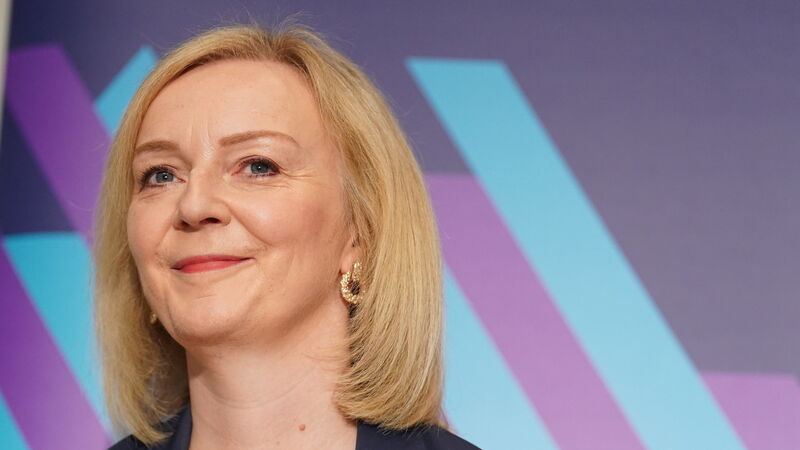
Liz Truss spooked the markets with her economic posturing last year, which cost her the role of prime minister.
One year since former British prime minister Liz Truss’s spending plans drove sterling to a record low, markets are again turning against the currency.
For months, investors have been piling in to take advantage of soaring British interest rates.
Yet last week's surprise decision by the Bank of England to stay on hold has refocused bears on the country's economic fundamentals, which remain tepid even as the impact of last year’s crisis fades.
Many are now betting that sterling will enter a sustained downward trajectory against the dollar.
“A year ago it was fiscal credibility that markets were questioning,” said Adam Cole chief currency strategist at RBC Capital Markets.
“This time it is monetary policy credibility,” he said.
Widening cracks in Britain's economic data and fears that higher rates will exacerbate a potential recession prompted the Bank of England to call time on its rate hiking cycle.
But traders warn policymakers could be underestimating a host of factors that still threaten to push consumer prices higher.
After topping returns among its Group-of-10 peers in the past year, September saw the pound place last, and last week's decision tipped sterling to a six-month low versus the dollar.
Asset managers trimmed long positions, flipping to bet against the currency.
RBC and HSBC are bracing for more weakness. Bank of America and BNP Paribas warn that a sharper slide is in the cards if positions are unwound further.
“The really negative moves will come for sterling when, not if, we start to see much more pronounced weakness in the data,” Mr Cole at RBC said.
Britain will continue moving into recessionary territory and this will push the pound-dollar pair down around 5% to $1.17 by year-end and $1.11 by the second half of next year, he said.
Bullish on sterling since November last year, Dominic Bunning at HSBC is confident the rally now has no more room to run.
Rates at their peak means the currency is poised to slump almost 4% to around $1.18 against the dollar in the next nine months, the head of HSBC’s European currency research said.
Vassilis Karamanis, foreign exchange and rates strategist at Bloomberg, said it is hard to assign a high probability to a strong rebound for sterling, even though it has a unique way of defying options gauges and technical analysis.
Further weakness would need money markets to pencil in deep rate cuts by the Bank of England, the strategist said.
Despite asset managers turning against the pound, hedge funds still hold bullish positions in the UK currency near their highest on record.
The pound is currently their longest Group-of-10 currency trade, according to Bank of America flows data, leaving it vulnerable if dollar strength in the near term triggers further unwinding.
Trend-following hedge funds — known as CTAs — could exacerbate the moves if there’s a rush for the exits, BNP Paribas said.
CTAs typically track swings in markets, switching strategy to follow the overall direction.
As investors absorb the end of the Bank of England's hiking cycle and the pound comes under further pressure, more of these funds will switch to betting on weakness, BNP said.
“CTA positioning is extremely long the pound,” said Parisha Saimbi, a currency strategist at BNP Paribas.
“Given the bearish catalyst from the BoE having paused, and with the data likely to decelerate, positioning reduction by these accounts could exacerbate downside moves in the pound,” the strategist said.
The pound’s fortunes against the dollar may look dim, but sterling could prove resilient compared with the euro as economic growth and inflation on the continent for once more of a cause for alarm than in Britain.
“If you have fewer interest rate hikes in the system, then you’re also reducing recessionary risks” in Britain, said Jane Foley, head of currency strategy at Rabobank.
“With the growth clouds darkening over Germany and perhaps lifting slightly over the UK, the outlook for sterling may have improved a touch,” she said.


CONNECT WITH US TODAY



Be the first to know the latest news and updates