Winter electricity prices forecast to tumble by 2027 thanks to offshore wind
Cathal Ryan at Cornwall Insight Ireland said the report was very positive and showed the way that offshore wind could determine prices.
The all-Ireland electricity will hit the target of generating 80% of its power from renewables thanks to offshore wind by 2030, and winter electricity costs will tumble as early as 2027.
The assessment comes from leading energy consultancy Cornwall Insight Ireland and pierces the gloom over energy bills and the cost-of-living crisis sparked by the Russian invasion of Ukraine.
The Cornwall Insight report says winter electricity prices will fall below their long-term pre-Covid levels as offshore wind and solar projects deliver on their promise to reduce the island's huge dependence on gas-fuelled power stations.
"Ireland is set to reach its 80% renewable target by 2030, with the increased energy security helping to stabilise the market and lower long-term energy prices," the report said.
"The commissioning of new, low marginal cost solar and offshore wind power, alongside increased battery storage, are forecast to help lower winter energy prices below the pre-2021 historical average from 2027 onwards, with solar power becoming nearly a fifth of the energy capacity by the middle of the decade," it said.
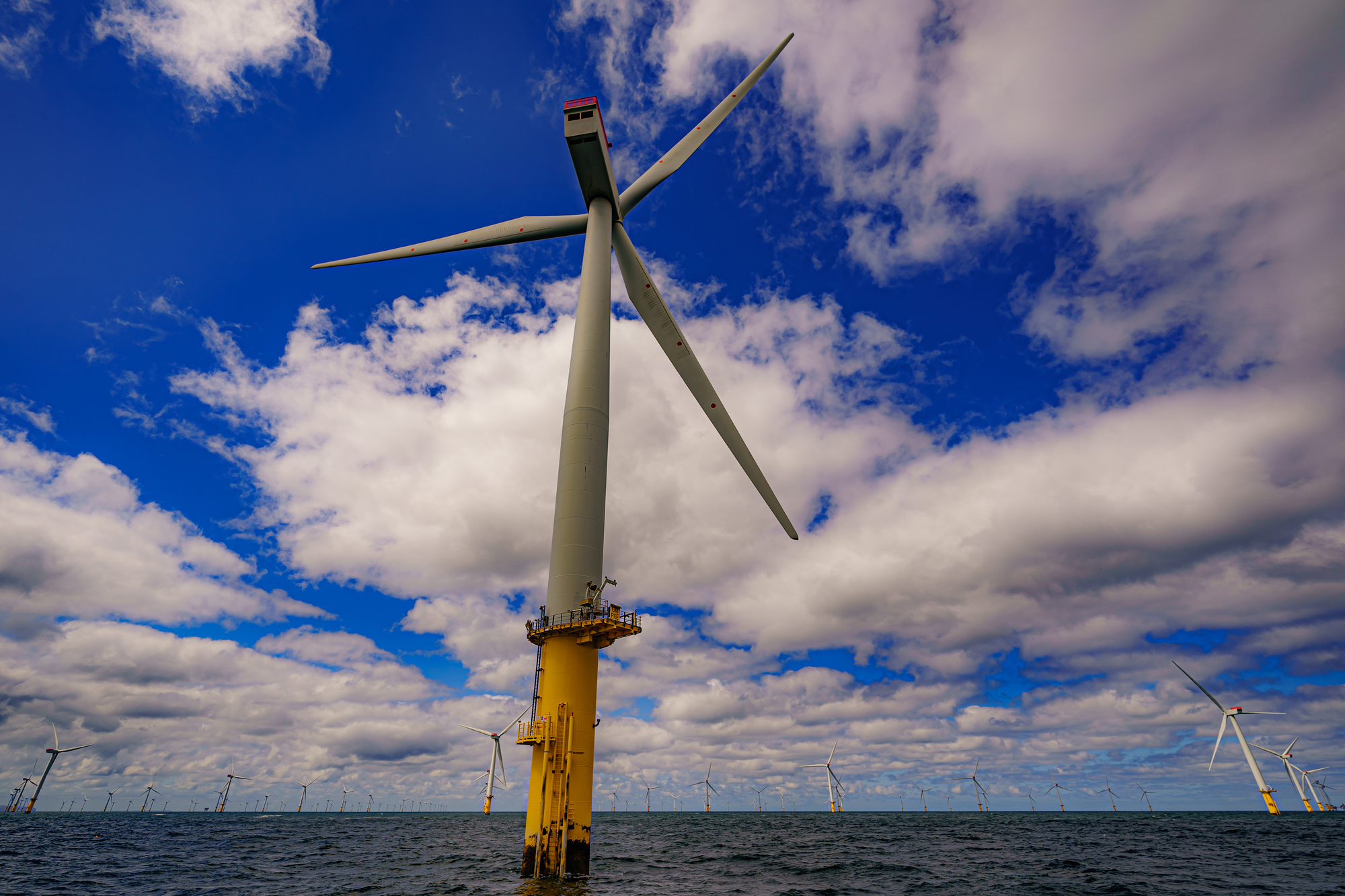
The report highlights the important role that a handful of offshore wind projects, planned by 2030 in the Irish Sea from Louth to Cork, will play in driving winter prices lower.
Nonetheless, the Ireland electricity market will face the problem of needing to rely on relatively expensive gas-fuelled power stations in the summer months when the wind doesn't blow.
According to the report, that means electricity costs will tumble during the winter months but "while dropping significantly from recent highs, summer power prices are not forecast to go below historic levels this decade, as periods of low wind leave high-cost gas playing an increased role during this period".
The eventual closure of the coal and oil-fuelled power stations, including Kilroot, Tarbert and Moneypoint, and the North-South electricity interconnector, will also help drive prices and costs down.
"Currently, the global energy market is in turmoil as it grapples with supply disruption caused by geopolitical and environmental instability," said Ratnottama Sengupta, senior consultant at Cornwall Insight in the report.
"In the long run for Ireland our data shows a clear path; only through pulling away from high-cost, volatile gas towards lower-cost renewable generation, supported by battery storage, will all of Ireland be able to secure its electricity supply and protect itself from the high international energy market wholesale prices," Ms Sengupta said.
Electricity prices this year soared as the cost of continental European and North Sea gas prices climbed since the invasion of Ukraine. However, European gas prices for delivery in December have slid in recent weeks.
They traded on Tuesday at €135 per megawatt hour, down from the record high of €350 in August, but above the €50 price of a year ago. Cathal Ryan at Cornwall Insight Ireland said the report was very positive and showed the way that offshore wind could determine prices.
CONNECT WITH US TODAY



Be the first to know the latest news and updates