Jim Power: It's time the left accepts that demonising high earners will kill the goose that lays the golden egg
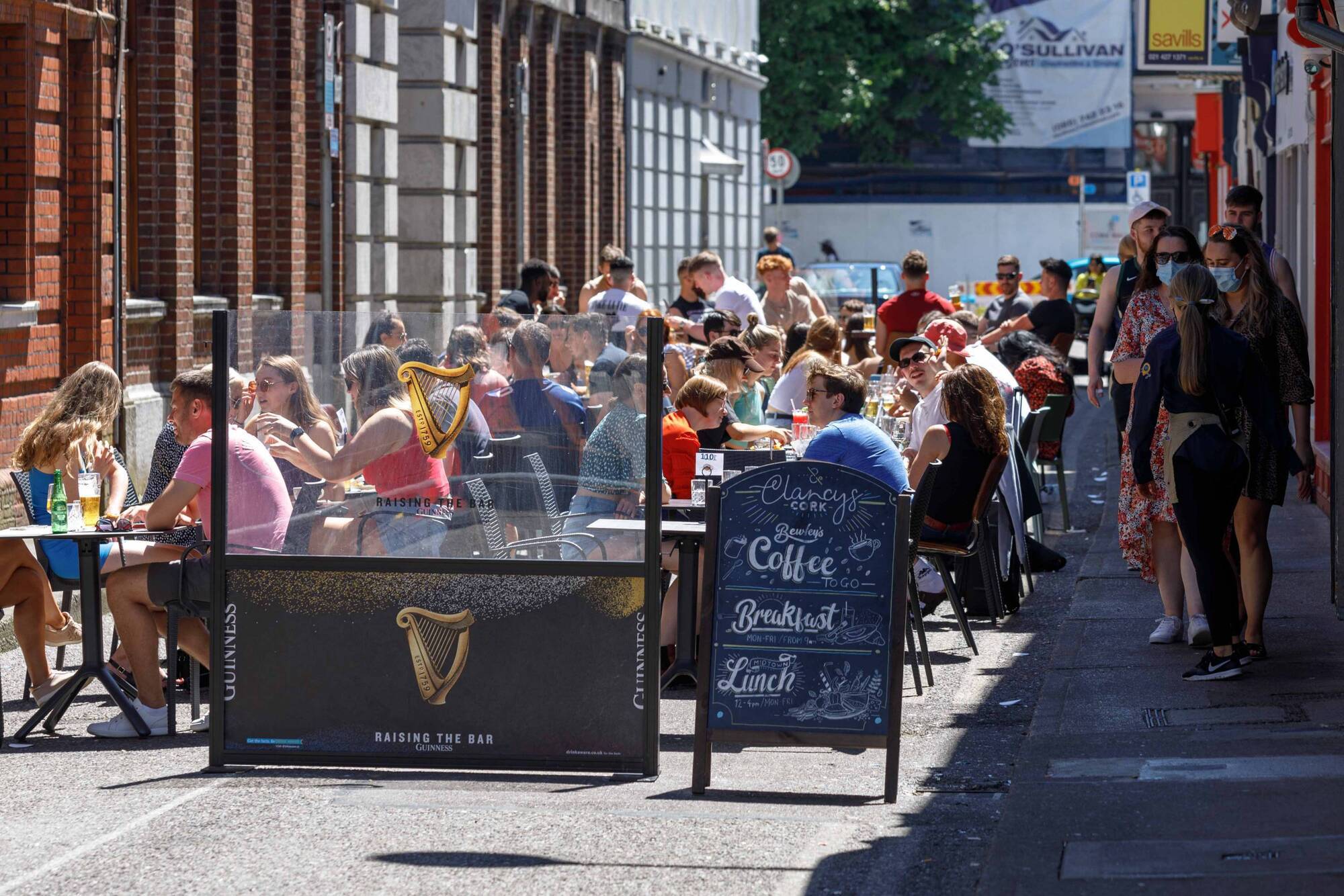
Food price inflation continues to increase with the cost of living the main focus on the upcoming budget. File picture: Damian Coleman

With just six weeks to go to the earlier than usual budget offering, speculation is mounting about what the budgetary package might contain.
The background for the budget is very challenging in many respects, but not all.
While the global economic outlook is deeply uncertain and central banks are in rate tightening mode, the negative impacts on the Irish economy are not very apparent at the moment, although there is some anecdotal evidence of more cautious consumer and business behaviour, particularly in the construction sector.
Domestically, the big issue is obviously the incessant upward pressure on the cost-of-living, and the pressure on the costs of doing business.
On the plus side, the public finances continue to be characterised by pretty impressive levels of buoyancy, particularly the three big tax headings — income tax, VAT, and corporation tax.
Without such tax revenue buoyancy on the back of strong economic growth, it would not be possible to countenance the level of spending increases that are set to be announced on September 27.
The cost-of-living challenge was highlighted once again last week, with the headline inflation rate running at 9.1%, and the favoured Eurozone measure (the HICP or Harmonised Index of Consumer Prices) running at 9.6%.
In July, transport costs pressures eased, with petrol and diesel prices declining; on the other hand, natural gas prices increased by 60.2% in the year to July.
The cost of accommodation increased by 21.7%, but food price inflation continues to push up most worryingly.
Average food prices increased by 1.7% during the month, and have increased by 8.1%over the past year; bread, meat and milk prices are rising strongly.
Last week, the Department of Finance published the Tax Strategy Group (TSG) papers which go into some considerable detail on the different elements of taxation and social expenditure.
There is no guarantee that any of the considerations of the TSG papers will be taken on board on September 27, but they do outline all of the possible options.
On the income tax side, total income tax receipts of €26.7bn, with the USC accounting for €4.4bn of this, are projected for 2022.
Income tax this year will account for around 39% of total tax revenues, making it the most significant component of taxation.
Those who work make the most significant contribution to tax revenues.
One of the problems with the income tax system, apart from having to pay income tax, is that for a single person, once earnings go above €36,800 the marginal tax rate jumps from 20% to 40%.
A certain party once pledged to increase this to €50,000, but we are still a long way from that desirable situation.
Those on the left frequently argue that Ireland needs a progressive income tax system, but the reality is that we have one of the most progressive systems in the world.
In 2022, it is estimated that the top one per cent of income earners will pay 22% of total income tax and USC, while those earning less than €56,000, which is the bottom 75% of income earners, will contribute just 18%.
I am not suggesting that there is anything terribly wrong about this, but it is time the left accepted this reality and that if future governments seek to demonise higher earners further, it will have the effect of killing the goose that lays the golden egg.
The top 20% of income earners pay 77% of income tax and USC collected. This is pretty dramatic.
In budget 2022, indexation of the income tax system is likely to dominate the tax side of the budget; an indexation of 3% would cost €630m in a full year.
It is an expensive measure but would deliver some respite to workers. There is also likely to be a very strong focus on social protection measures in the budget.
On the climate front, any changes to taxes on cars that would reduce the attractiveness of the move to electric vehicles should be avoided.
It would not be consistent with our climate change obligations, particularly as they relate to the electrification of the motor fleet.
Government needs to be mindful that tax and expenditure changes are expensive and very difficult to reverse in less prosperous times.
If we accept that the surge in energy prices may be a relatively short-term phenomenon, it might be better to base policy on the measure of inflation that excludes energy costs and implement once-off policies to address the energy issue.
In July, the measure of inflation that excludes energy stood at 5.9%. We need to be careful about ratcheting up expenditure.
CONNECT WITH US TODAY



Be the first to know the latest news and updates