Carmakers feel chip crisis easing as global growth slows
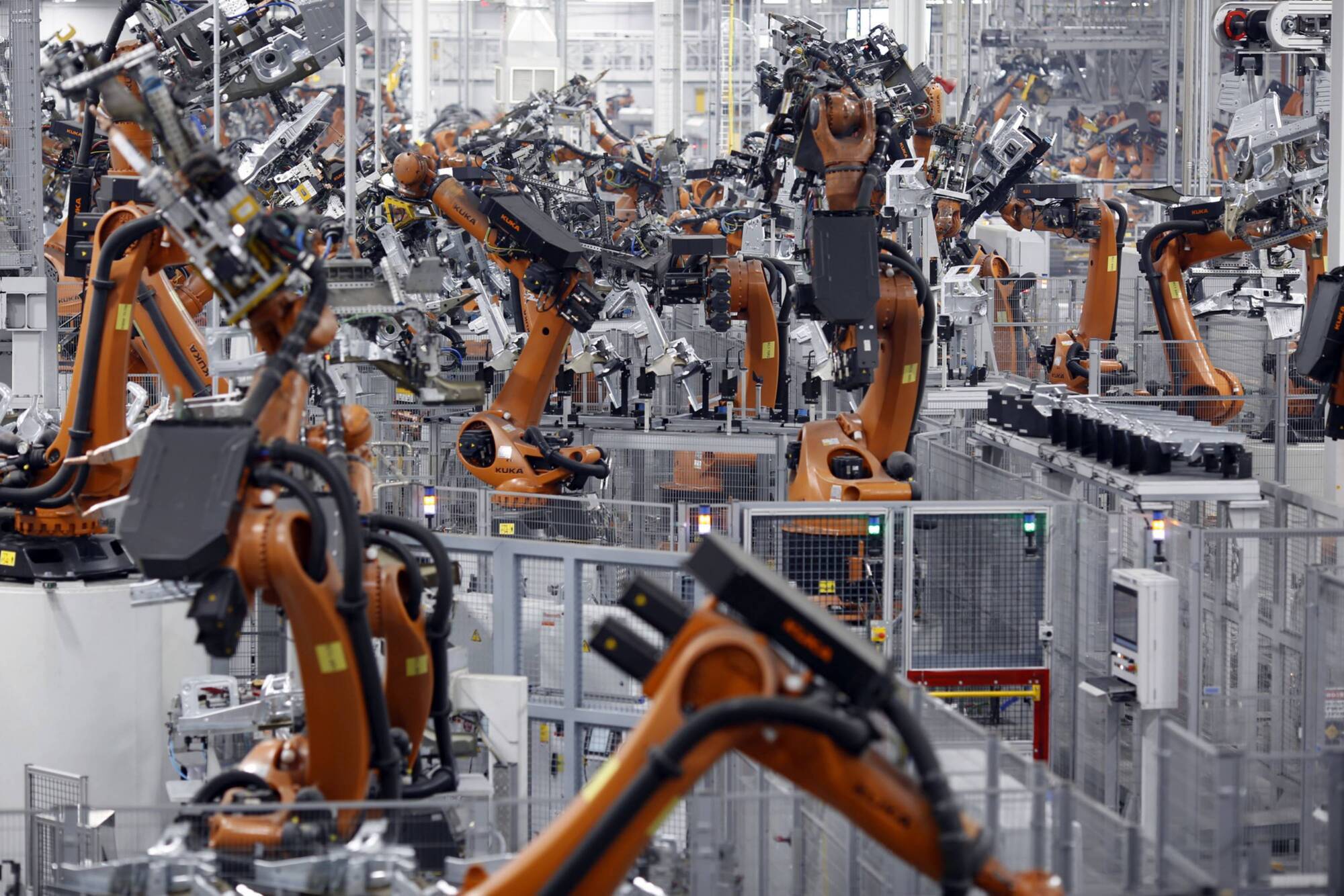
Carmakers are working through their order backlogs and concerns are turning to how consumer demand will hold up amid accelerating inflation and higher interest rates.
The global semiconductor shortage that has bogged down the motor industry for almost two years is showing signs of easing, at least for now.
Mercedes Benz, Daimler Truck Holding, and BMW are among carmakers now getting enough of the high-tech components to produce at full capacity after experiencing crippling outages for months.
The breakthrough comes earlier than the companies predicted and marks a bright spot for an industry facing a deteriorating economy and inflation while managing a historic transition to electric-vehicle production. Manufacturers are cheering the chip-supply improvement but are not declaring victory yet.
“We’re still monitoring it week to week, but up to now basically worldwide, we had no issues running production,” said Joerg Burzer, Mercedes’ head of production and supply-chain management. Supply issues occur “here and there,” he said, “but nothing compared to what it was like last year.”
Even as demand for cars boomed, motor manufacturers have had to curtail output as plants globally could not source enough chips critical for increasingly computerised vehicles.
The outages have been so severe that global passenger car output has barely shown signs of recovery to pre-pandemic levels.
As the chip supply improves, carmakers are working down their order backlogs and concerns are turning to how consumer demand will hold up amid accelerating inflation and higher interest rates.
Tesla chief executive officer Elon Musk said the electric carmaker needs to cut staff by 10% and that he has a “super bad feeling” about the economy, according to Reuters, which cited an internal memo.

However, not everyone is as pessimistic as Musk. German carmakers’ sentiment improved significantly in May, according to an Ifo Institute survey.
The survey showed growing confidence among the carmakers that they will be able to raise prices to cope with soaring raw material costs.
Some of the new availability of chips stems from the weakening economic outlook and inflation, which has cut into demand for consumer electronics that also use the components.
Karin Radstrom, head of Daimler Truck’s Mercedes brand, said the company is now getting the chips it needs to work through a backlog of orders.
“It’s not perfect, but it’s better than last year,” Radstrom said in an interview.
“I try to not celebrate too early. We’re still monitoring the situation closely.”
BMW expressed similar reserved optimism, saying that all plants are up and running and the company is not experiencing any stoppages due to chip supplies.
“Currently, the situation is a little bit more stable,” a spokesman said, adding that BMW still monitors the chip supply on a daily basis and does not rule out the possibility of fresh disruptions in the coming weeks and months.
Volkswagen, which like others estimated that the logjam would begin to ease in the second half of 2022, is also seeing steady supplies, according to a spokesperson, who underscored that there is still significant uncertainty about the coming months.
Harry Wolters, president of Paccar’s DAF Trucks unit, has seen the same trend.
Wolters said: “So in the US and Europe, we’ve been able to increase build rates.”
However, not all companies are enjoying the same relief. Volvo Trucks said it is still seeing limited chip availability and expects an impact on second-quarter production. And according to research by Susquehanna Financial Group, delivery times for chips, used in a range of electronics, remained flat in May, a sign that lags persist.
Mercedes CEO Ola Kallenius said last year that his company would resort to using a more expensive semiconductor to avoid the shortage.
Ford Motor chief executive officer Jim Farley said last month that the company would buy chips wherever it could in the open market.
CONNECT WITH US TODAY



Be the first to know the latest news and updates