Europe car sales slump 20% in April, dashing hopes for recovery
Forecasters cut their estimate for passenger-car sales each of the last four months
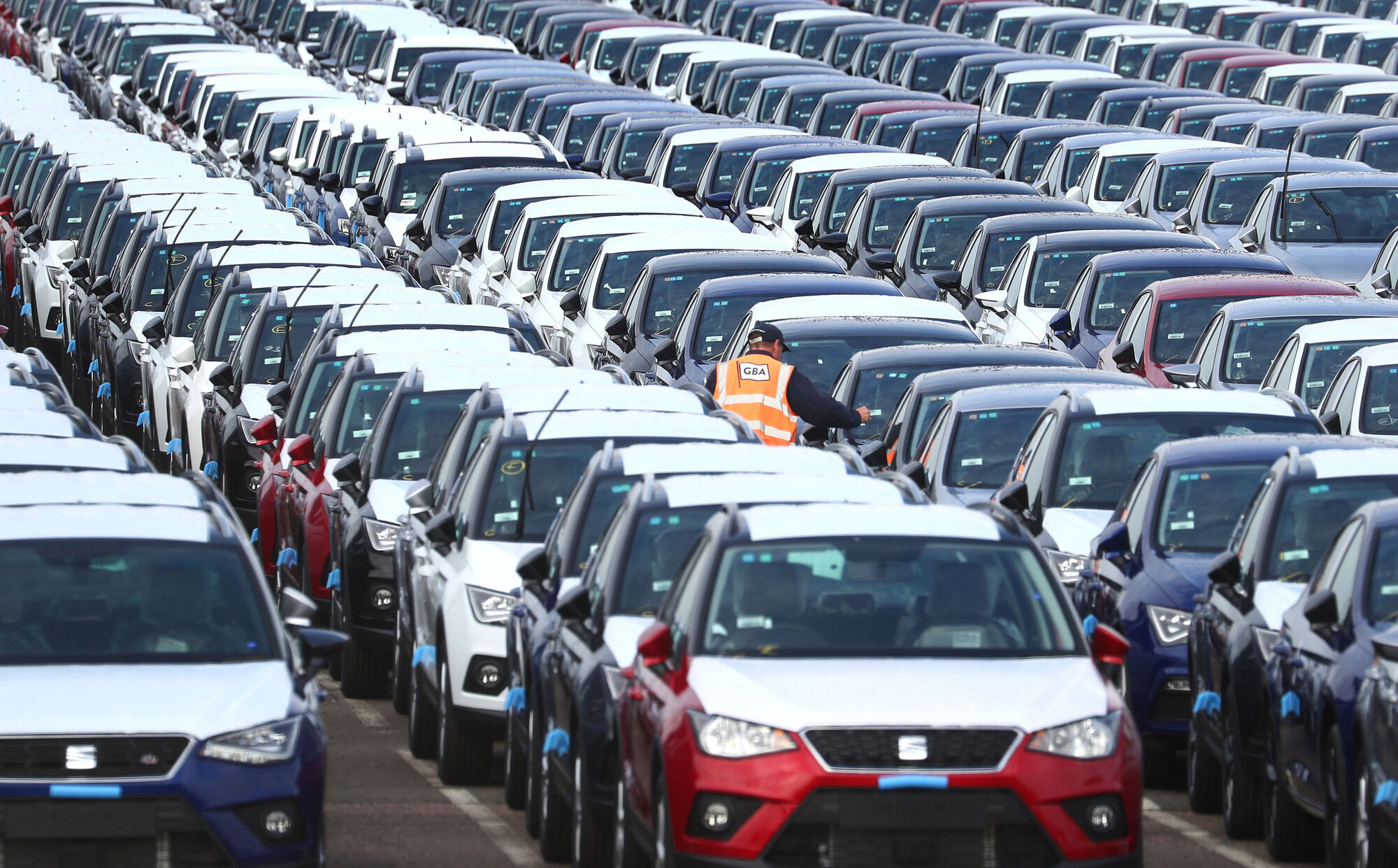
Registrations fell 20% to 830,447 vehicles in April, the European Automobile Manufacturers’ Association said on Wednesday, the steepest decline this year. Picture: Gareth Fuller

Registrations fell 20% to 830,447 vehicles in April, the European Automobile Manufacturers’ Association said on Wednesday, the steepest decline this year. Picture: Gareth Fuller

Europe’s new-vehicle sales shrank for a 10th month in a row as the industry remains mired in supply-chain crises that are stoking record inflation and threatening to put off car buyers.

Registrations fell 20% to 830,447 vehicles in April, the European Automobile Manufacturers’ Association said on Wednesday, the steepest decline this year. Stellantis, the carmaker formed from the merger of PSA Group and Fiat Chrysler, was the hardest-hit among major manufacturers with a 31% drop.

Issues constraining production -- chief among them being the global semiconductor shortage -- have led forecasters at LMC Automotive to cut their estimate for Western European passenger-car sales each of the last four months. They now expect annual deliveries to shrink 6% this year to less than 10 million units. Back in January, LMC was calling for almost 9% growth. Carmakers have managed to make up for lost volume by charging higher prices, though it’s unclear how much higher they can go.

“Global supply issues show no significant signs of easing, while underlying demand prospects are eroding, too,” LMC wrote in a report this month.

“Households will experience a serious squeeze to real income this year. Supply issues do remain the key determinant for registrations for now.” Across Europe’s biggest markets, Italy posted the sharpest decline, contracting by a third, while registrations in Germany and France dropped by more than a fifth. 

The dearth of chips holding automakers back is lasting longer than expected and forcing some buyers to wait 18 months for certain in-demand models. Volkswagen Chief Executive Officer Herbert Diess said last week the company is completely sold out with respect to electric cars this year in the U.S. and Europe.

Volkswagan’s Diess and Mercedes-Benz Group CEO Ola Kallenius are hoping to see semiconductor supply improve in the second half of this year. But hopes for recovery in the coming months also hinge on factors including the potential for more disruptions linked to the war in Ukraine. Global supply chains also are starting to feel the effects of China’s zero-tolerance approach to curbing the coronavirus.

“Container ships are jamming up in Chinese harbors,” says Peter Fuss, a partner at EY’s automotive team. “It will take months to normalize that bottleneck.”

Bloomberg

More in this section

The Business Hub

Newsletter

News and analysis on business, money and jobs from Munster and beyond by our expert team of business writers.

Cookie Policy Privacy Policy Brand Safety FAQ Help Contact Us Terms and Conditions

© Examiner Echo Group Limited