S&P flags profitability concerns for Irish banks
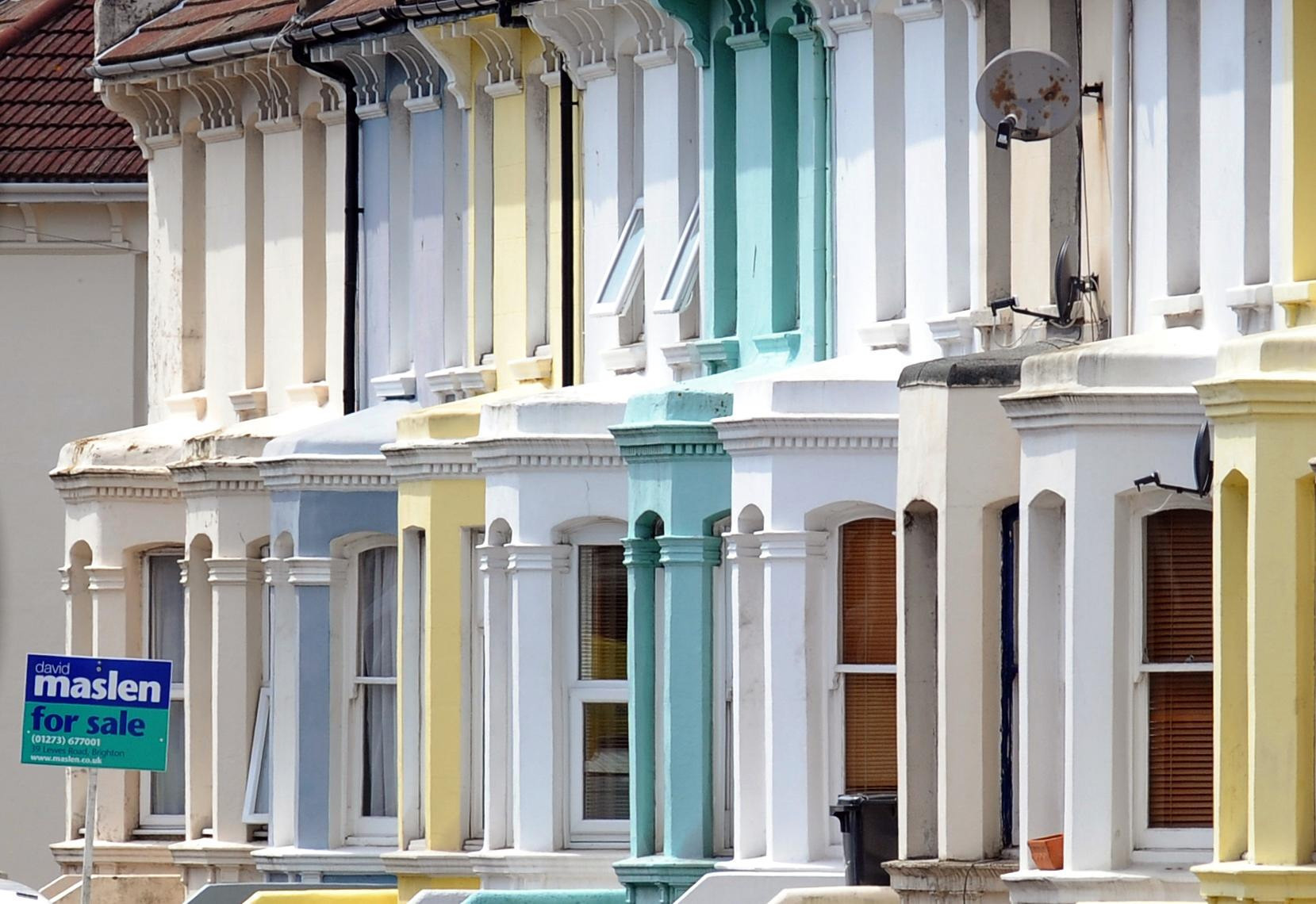
S&P sees Irish house price growth moderating, but has concerns over bank profitability.
Irish banks are facing “profound” profitability challenges as the banking market shrinks, ratings agency S&P has warned.
In a wide-ranging report on European banks, S&P Global Ratings said it sees the Irish economy growing by 4%-5% over the next two years and said the balance sheets of the Irish banks remain “robust” with their levels of non-performing assets being “manageable” at present.
However, it warned that “profitability challenges” remain “profound” for the Irish banks.
“The pending departure of both Ulster Bank and KBC provide growth opportunities, primarily in the form of loan book acquisitions, but organic earnings growth remains challenging and substantive revenue diversification remains low,” it said.
“In addition, the banks continue to face persistent headwinds in the form of high capital requirements for mortgage loans and elevated cost bases, although the negative impact of both should be somewhat diluted if announced loan book acquisitions are completed,” S&P said.
“Actual losses over the last year were muted and banks have cautiously started to release some provisions on the back of improving macroeconomic forecasts.”
However, S&P said it expects to see some level of increase in Irish banks' non-performing assets "as borrowers' cash flows remain under pressure and support measures are largely withdrawn."
S&P said it could improve its ratings on Bank of Ireland and AIB - from negative to stable – if operating conditions stabilise, “with tangible signs of the banks delivering on their cost-cutting, revenue diversification and digital transformation plans while retaining good capital buffers and asset quality”.
It could raise its ratings on Permanent TSB if its risk profile improves, “as we expect”, with non-performing assets reducing in line with other European banks.
S&P also said a housing and general property price bubble remains a real threat to banks across Europe, including Ireland’s main lenders.
Persistent house price increases, continued high general inflation and a delay to overall international economic recovery all pose risks to the asset and credit quality of European banks over the next couple of years, S&P said in its report.
S&P said if the global economic recovery falters badly banks’ earnings could be negatively impacted and they may see a rise in impairment charges.
However, the agency’s base case scenario for Ireland remains positive. It expects official figures to show house price inflation of 8% for 2021 as a whole, with official price growth slowing to 4% this year and 3.5% in 2023.
Meanwhile, Ibec group Property Industry Ireland (PII) has called for mortgage lending rules to be amended. In its submission to the Central Bank’s review of mortgage rules, PII said the existing rules are “outdated” and need to be changed to reflect the new economic realities.
PII said the rules remain important, but need to reflect the current economic landscape rather than the 2015 backdrop when they were first introduced.
CONNECT WITH US TODAY



Be the first to know the latest news and updates