Head of Bank of England: British economy 'in very difficult period'
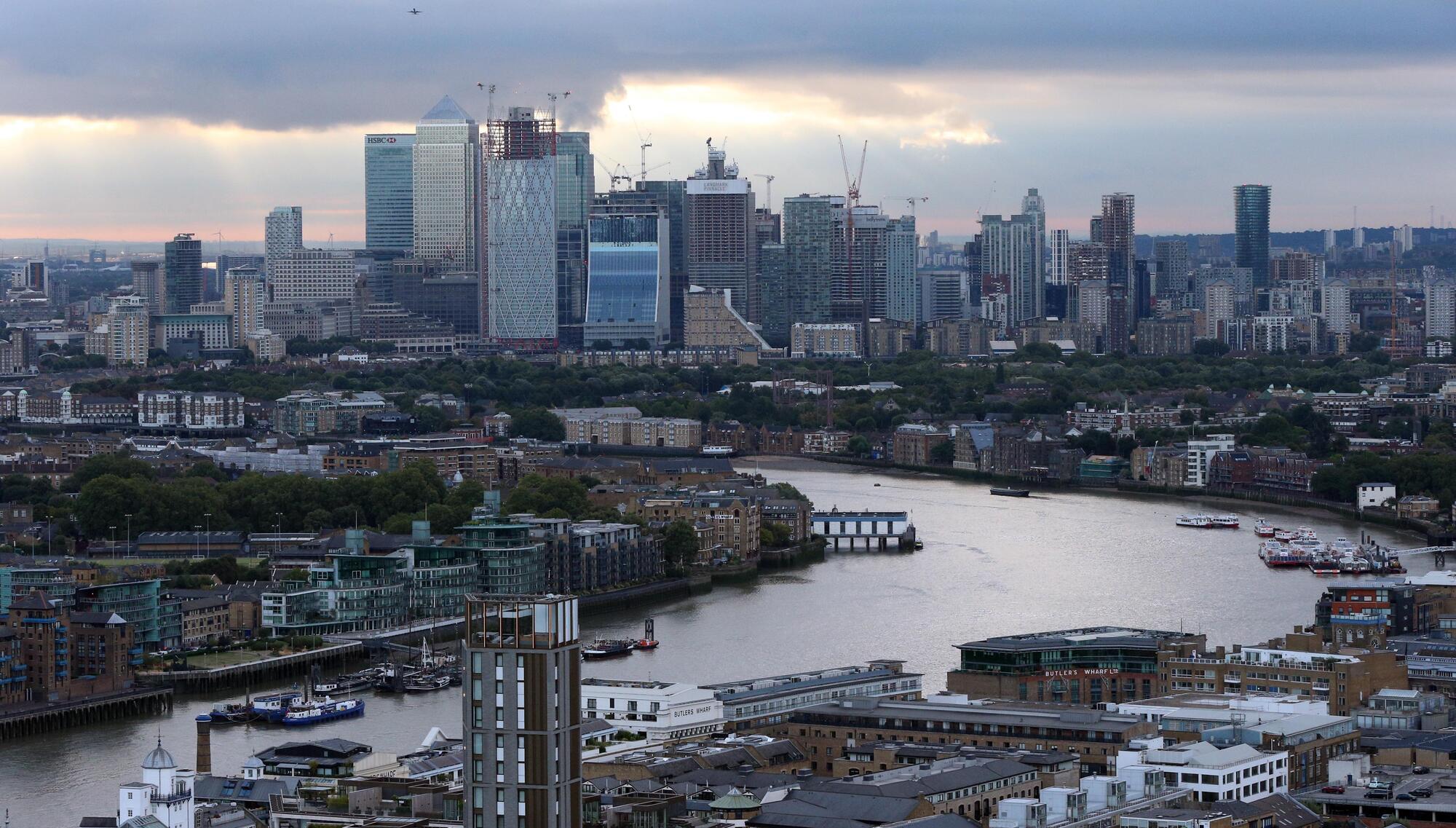
Bank of England governor Andrew Bailey said that Britain’s economy was facing its “darkest hour”.
Bank of England governor Andrew Bailey said that Britain’s economy was facing its “darkest hour”, and played down suggestions that cutting interest rates below zero would be a straightforward way to boost growth.
He said a resurgence in Covid-19 cases meant there would be a difficult few months ahead — although recovery was within sight once Covid-19 vaccines were rolled out.
His comments followed finance minister Rishi Sunak’s warning this week that the economy would likely get worse before it got better, with the country now in its third national lockdown and struggling to contain the spread of the coronavirus.
“There’s an old saying about the darkest hour is the one before dawn,” Mr Bailey said in an online speech to the Scottish Chambers of Commerce.
“(We’re) in a very difficult period at the moment and there’s no question that it’s going to delay, probably, the trajectory.” He declined to say if this pointed towards more stimulus.
Sterling jumped against the euro and dollar as Mr Bailey said there were “lots of issues” with negative interest rates, the merits of which are being debated by members of the Monetary Policy Committee. Most economists think Britain’s economy is likely to tip back into recession - shrinking in the final quarter of 2020 and the first quarter of 2021 - following a record 25% fall in output in the first two months of lockdown last year.
Sterling traded at 89.3 pence against the euro, up from its level in recent months, but still not dramatically stronger despite the Brexit deal having been struck on Christmas Eve between the EU and Britain.
Mr Bailey said the “best guess” was that economic output in the last three months of 2020 was flat to slightly down.
He also said that he believed Britain’s official jobless statistics understated the true rate of unemployment, due to the difficulty surveys currently had distinguishing between jobless people who were and were not actively seeking work.
The true unemployment rate was probably closer to 6.5% than the 4.9% in the latest official figures, he said.
Mr Bailey said economic activity during the first quarter would be depressed until Covid-19 vaccines were widespread enough to allow some lockdown restrictions to ease, but the economy was still likely to recover broadly as expected last year.
The death toll in the UK has been soaring and now stands in excess of 81,000 — the world’s fifth-highest official toll — while more than 3 million people have tested positive.
Mr Bailey struck a more sceptical tone on the possibility of bringing negative interest rates to Britain than fellow Bank of England rate-setter Silvana Tenreyro who had outlined possible benefits from such a policy.
“In simple economics and maths terms, there is nothing to stop it at all. However there are a lot of issues with it,” he said.

CONNECT WITH US TODAY



Be the first to know the latest news and updates