Former Irish Nationwide chief Michael Fingleton has died
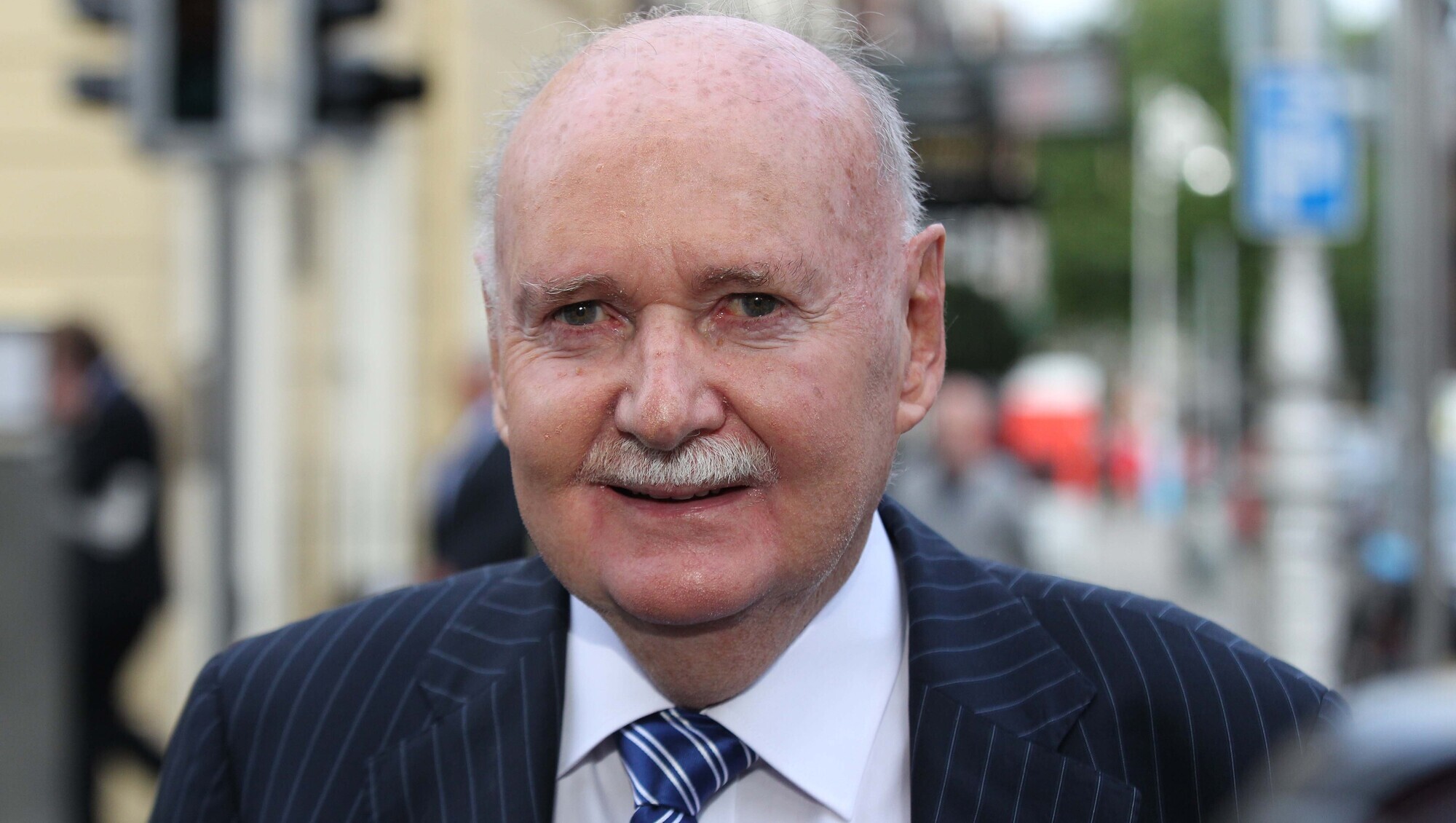
Michael Fingleton led Irish Nationwide for almost four decades.
Michael Fingleton, the former chief executive of Irish Nationwide, died on Sunday at the age of 88.
He had been ill for some time following a stroke a number of years ago.
Mr Fingleton was a central figure in Ireland’s Celtic Tiger economy and subsequent banking collapse.
Irish Nationwide, which Mr Fingleton had expanded significantly, was one of the most exposed lenders when property values collapsed.
In the final years of the property boom, he oversaw a huge rise in the lender’s loan book, more than doubling development and commercial loans from €3.6bn at the end of 2004 to €8.5bn by the end of 2008.
Irish Nationwide was ultimately folded into the notorious bank guarantee, nationalised, and finally shut in 2011. The bill for the taxpayer came to €5.4bn.
Mr Fingleton walked away in 2009 with a pension pot of €27.6m and a €1m bonus paid for his work in the society’s disastrous final year, money he never returned despite repeated government requests.
His death comes less than a year after the conclusion of a lengthy High Court civil case in which liquidators of the Irish Bank Resolution Corporation (IBRC) alleged he had negligently mismanaged the building society before its collapse. Judgment in that case had not yet been delivered.
The action, first filed in 2012, sought around €250m in damages over five loans allegedly approved by Mr Fingleton for property developments in Ireland, Britain, and France between 2006 and 2008. The IBRC claimed Irish Nationwide had operated on the speculation that property prices could only “go up, and up, and up, and up”.
Mr Fingleton had separately fought a Central Bank inquiry into the society’s affairs, losing an appeal in 2018.
Appearing before the Oireachtas banking inquiry in 2015, he declared that 80% of what was written about him was “totally wrong”, denied the society had been his personal fiefdom, and maintained that it had been solvent and should never have been rescued.

CONNECT WITH US TODAY



Be the first to know the latest news and updates